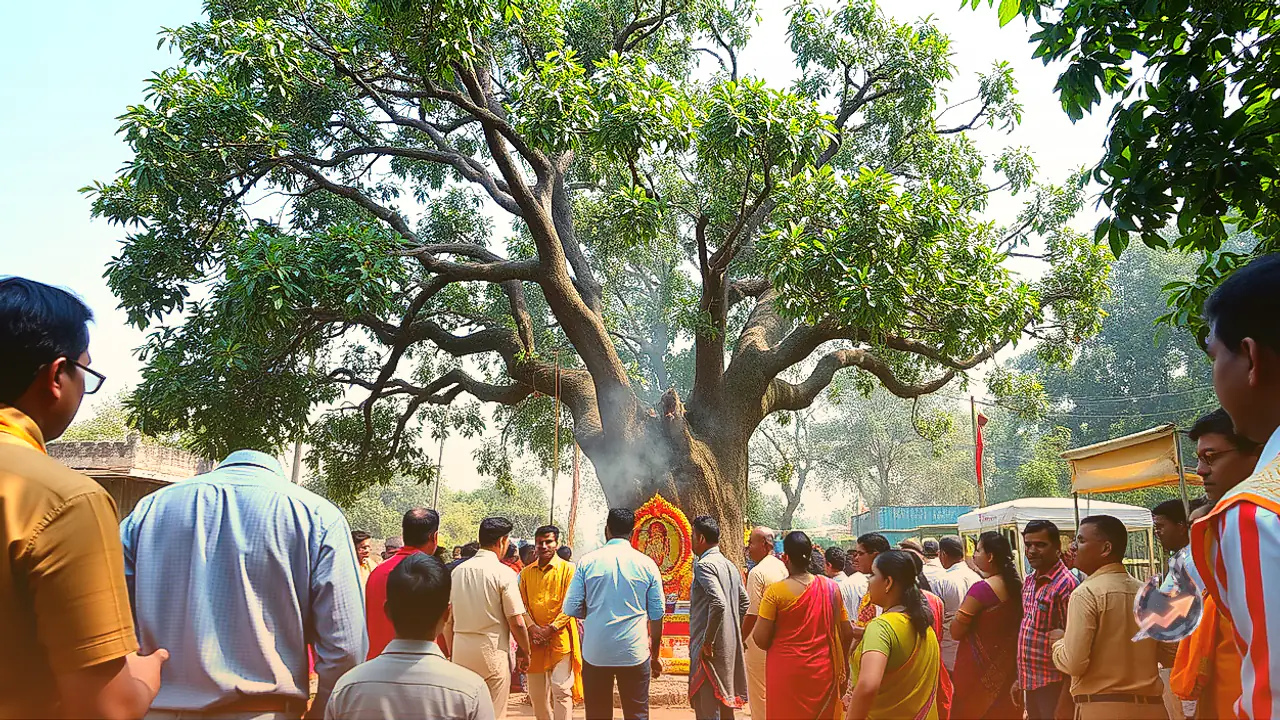






















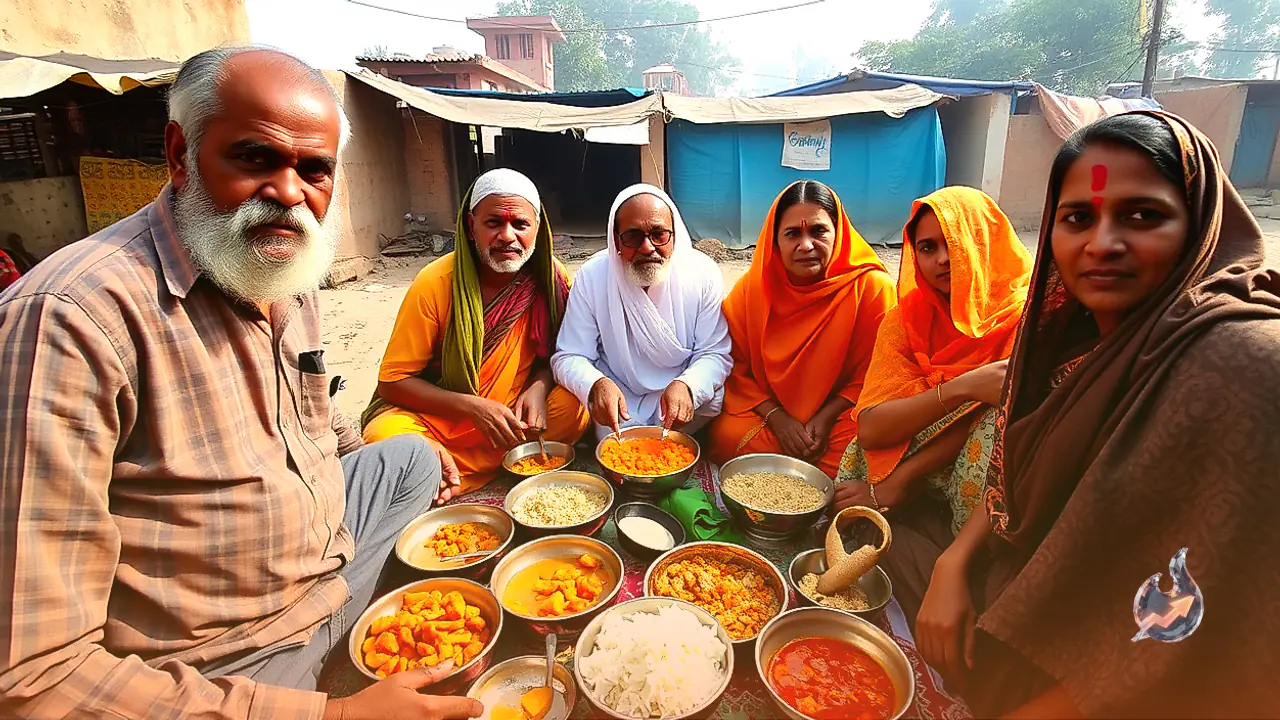

The fortnight dedicated to honouring ancestors draws to a close on October 10, marking the solemn occasion when departed souls return to their realm. Known traditionally as Sarva Pitru Amavasya, this final day holds the highest spiritual importance among all the days of the ancestral observance period. It serves as a universal opportunity to pay homage to all ancestors, particularly those whose death anniversaries could not be observed on their exact dates or whose departure dates have faded from family memory. Performing memorial rites on this occasion is believed to bring total fulfillment to the departed souls. Tradition dictates that offering a plate composed of seven specific culinary items pleases the ancestors and secures their benevolent blessings prior to their departure.
Cow Milk Kheer and Cooked Rice
Sweet rice pudding, commonly prepared as kheer, forms the indispensable cornerstone of the memorial meal. An offering presented without kheer is traditionally regarded as incomplete. Crucially, the milk used for this sweet preparation must come exclusively from a cow rather than a buffalo. Alongside kheer, plain cooked rice must be included on the serving platter. Cultural beliefs hold that presenting rice directly to the ancestors helps mitigate the adverse effects of ancestral faults and fosters household harmony.
Traditional Preparations Using Black Gram
Dishes prepared from urad dal represent another mandatory element of the commemorative feast. Families can choose from several traditional forms depending on household customs, including plain cooked lentil stew or freshly fried fritters made from lentil paste. Stuffed lentil flatbreads, known as kachoris, or savoury lentil dumplings soaked in seasoned yoghurt, known as dahi vade, are equally acceptable alternatives that fulfill the ritual requirements of the day.
Deep-Fried Puris and Fresh Seasonal Vegetables
Freshly fried puris take precedence over everyday flatbreads when laying out the meal, as they are considered the favored staple of the ancestors. The meal also requires freshly harvested seasonal vegetables. Among various produce options, pumpkin vegetable curry holds a dedicated significance on this day and is traditionally prepared as the primary vegetable accompaniment for the holy feast.
Fresh Fruits and Personal Favourite Recipes
In addition to cooked grains and lentils, fresh seasonal fruits must be placed on the offering platter as a mark of devotion. Any wholesome fruit available during the season is suitable for this purpose. Furthermore, family members are encouraged to prepare specific recipes that the departed loved ones enjoyed during their lifetimes. Whether their preferences included savoury curries like rajma and chole, tangy kadhi, or rich dairy desserts like rabdi, serving these favored items is believed to bring profound contentment to the ancestors.
Essential Preparation Standards and Dietary Restrictions
Strict dietary purity must govern the entire cooking process for this memorial feast. The culinary preparations must strictly avoid pungent ingredients, meaning garlic and onion are entirely banned from every single dish. Cooking a pure vegetarian meal with absolute cleanliness and presenting it with a sincere devotion ensures that the ancestors depart cheerfully, leaving behind enduring peace and protection for the household.