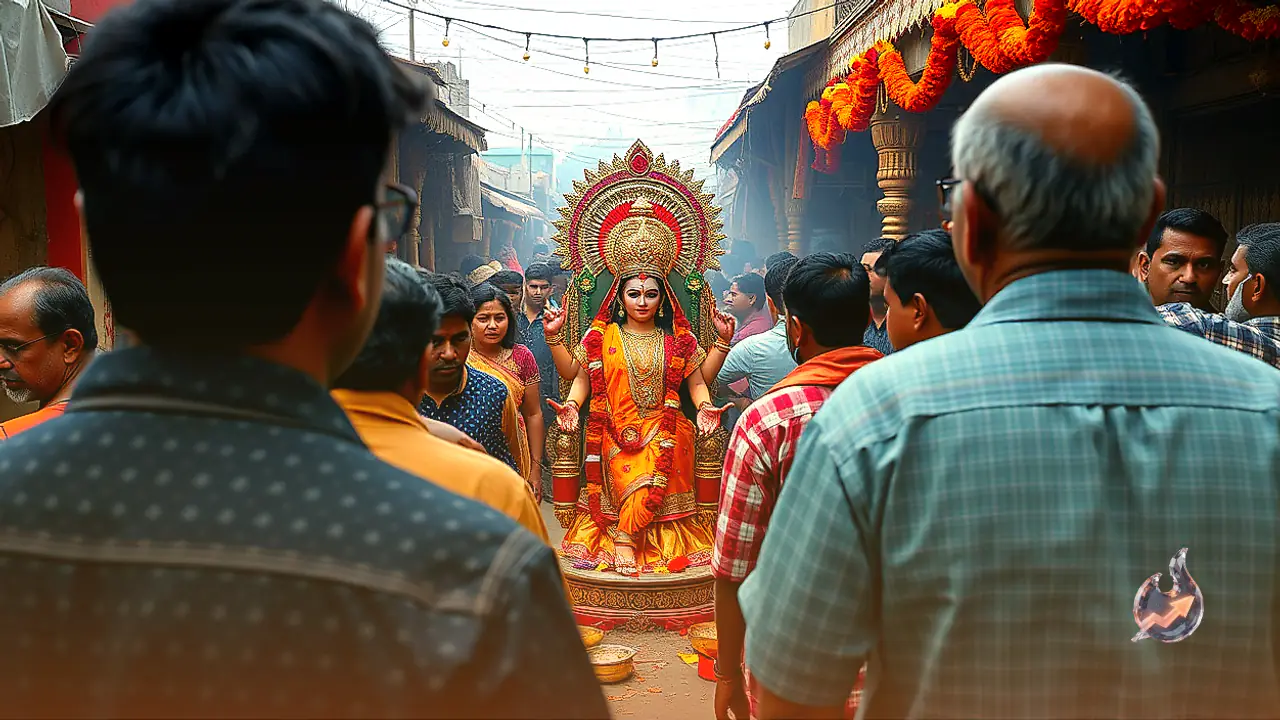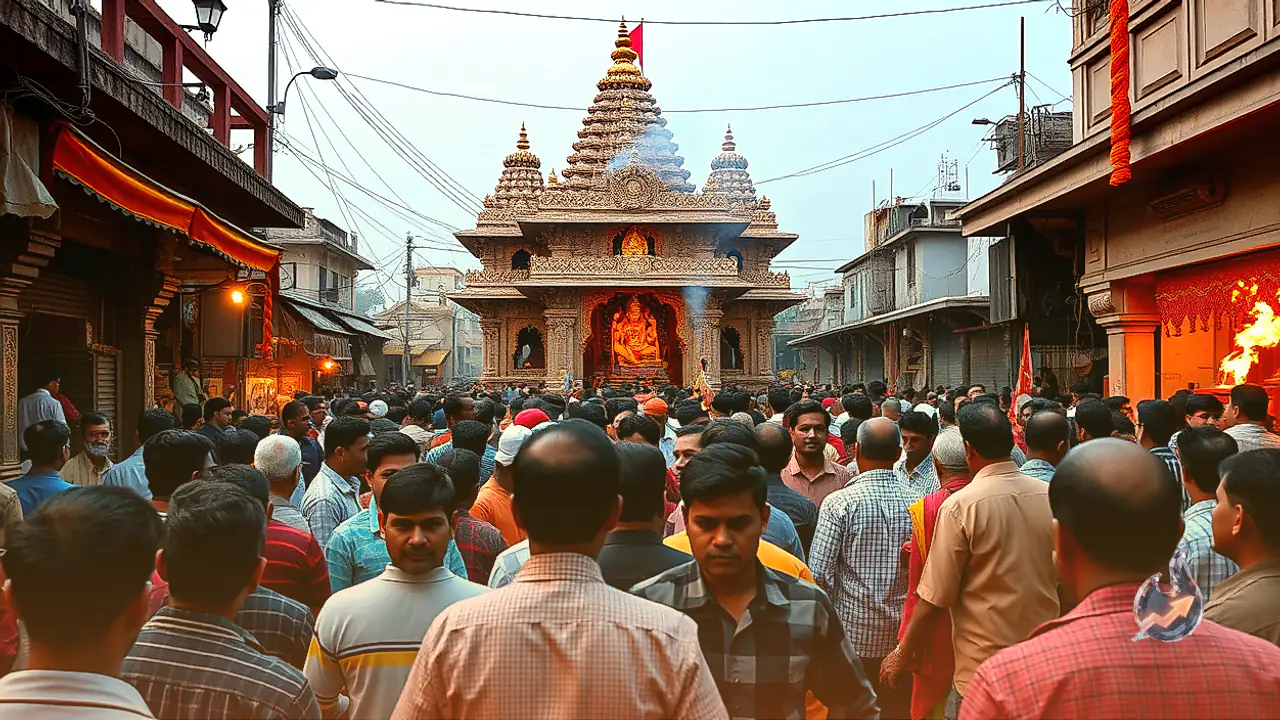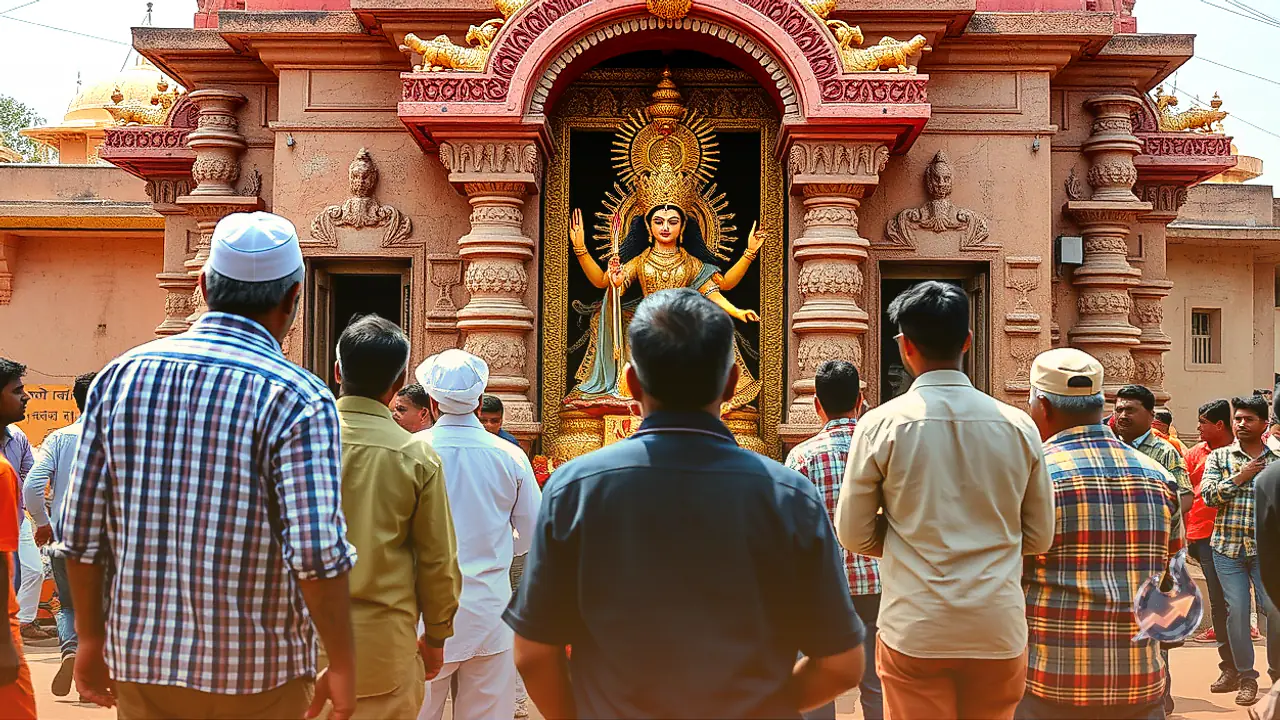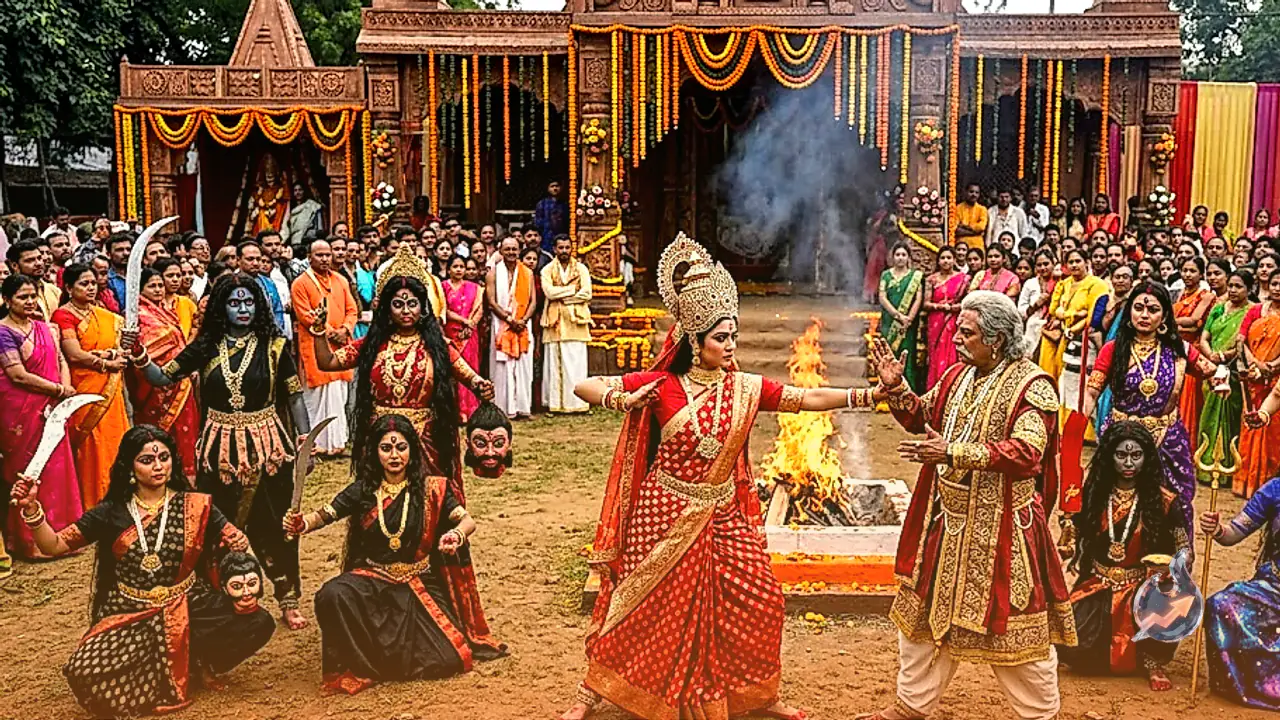




















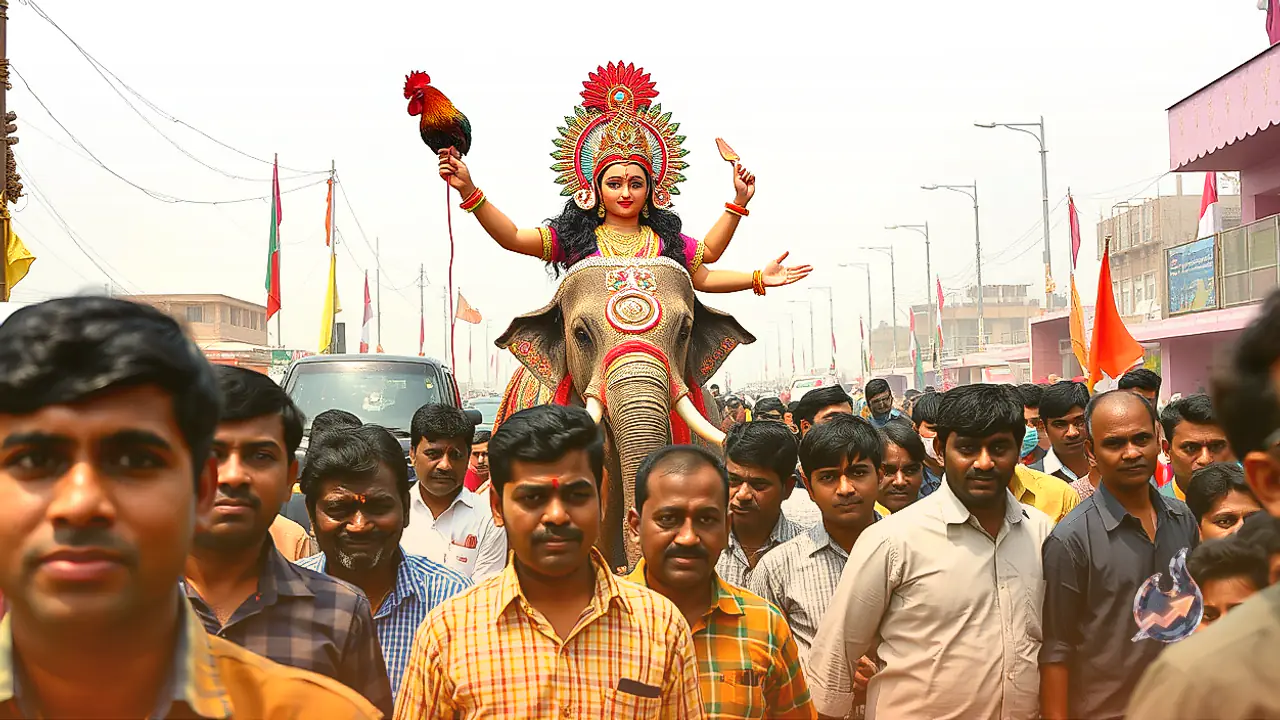

Devotees across the country look forward to the sacred festival of Shardiya Navratri, which honors the divine feminine energy during the bright half of the Ashwin month. In 2026, the nine-day spiritual observance commences on Sunday, October 11, marking the ritual placement of the sacred pitcher. Across these auspicious days, worshippers offer dedicated prayers to nine individual manifestations of Goddess Durga, observing fasts and seeking blessings for domestic harmony, spiritual growth, and material well-being. Alongside rituals, dates, and strict fasting rules, traditional scriptures assign profound significance to the specific carriers that convey the deity during her arrival and final departure. In astrological traditions, these mounts are closely studied before the festival begins, as they are believed to foretell national conditions, agricultural outcomes, and public peace in the months ahead.
Sunday Ghatasthapana Designates the Elephant as Arrival Carrier
According to classical Hindu reckoning, the specific day of the week on which Pratipada, the opening day of Navratri, falls determines the vehicle upon which Goddess Durga enters the earthly sphere. In 2026, the festival begins on Sunday, October 11. Scriptural verses in the Devi Bhagavata Purana declare that when the opening rituals align with either Sunday or Monday, the divine mother arrives riding an elephant. Consequently, the 2026 festival witnesses her descent seated upon this majestic creature. In traditional Indian symbolism, an elephant embodies formidable strength, inner composure, royal prosperity, and stability. Therefore, an arrival on an elephant is universally interpreted as an auspicious omen for human society. In agricultural terms, it historically forecasts generous rainfall, thriving crops, and an abundant harvest cycle.
The Scriptural Spectrum of Arrival Transports
Traditional astrology records four primary modes of entry depending entirely on the opening day of the festival week. An ancient Sanskrit verse outlines that Sunday and Monday bring the elephant mount. If Pratipada takes place on Tuesday or Saturday, the deity arrives on horseback, an omen traditionally associated with upheaval, political turbulence, or war. When the festival begins on Thursday or Friday, she arrives in a palanquin or swinging cradle, which scriptural commentaries link to health issues or atmospheric distress. Conversely, if Wednesday marks the first day, the arrival takes place on a boat, signifying bountiful waters, favorable waterways, and agricultural success. These traditional classifications illustrate how ancient observers linked ritual timing to annual socio-environmental predictions.
Tuesday Vijayadashami Sets the Departure on a Rooster
The nine-night observance concludes on the tenth day with Vijayadashami, also celebrated as Dussehra, which in 2026 falls on Tuesday, October 20. Just as the start day decides the arrival carrier, the specific weekday of Vijayadashami determines how Goddess Durga departs the earthly realm. Classical texts state that whenever Vijayadashami falls on a Tuesday or a Saturday, the goddess departs mounted on Charan-ayudh, traditionally understood as a rooster. Consequently, the 2026 conclusion features a departure on a rooster. Within religious interpretive traditions, this particular bird mount is considered inauspicious. Scriptural interpreters regard it as a symbol presaging civic disputes, emotional anxiety, economic hardships, and social friction among the populace.
Scriptural Omens Associated with Departure Carriers
The Shrimad Devi Bhagavata Purana clearly categorizes the varied departure conveyances based on the day of Vijayadashami. If the tenth day occurs on Sunday or Monday, the departure happens on a buffalo, which traditional verses associate with sorrow, physical ailments, and mourning. When it falls on Tuesday or Saturday, the rooster mount signifies distress and widespread restlessness. A Wednesday or Friday conclusion sees the goddess depart on an elephant, indicating benevolent rains, fertile soil, and economic stability. If the departure coincides with Thursday, she leaves seated upon a human carrier, portending general happiness, civil order, and societal contentment. While Goddess Durga permanently rides her fierce lion in canonical iconography, these annual calendar alignments serve as a spiritual framework for tracking collective destiny.