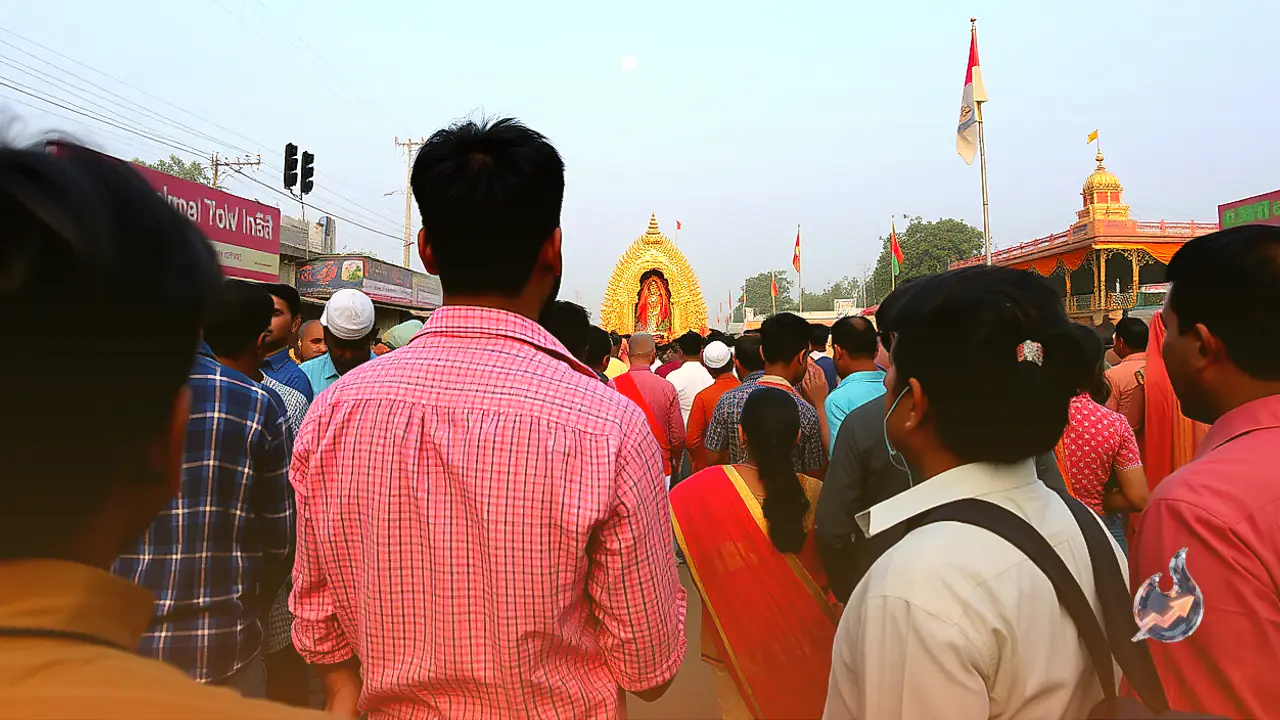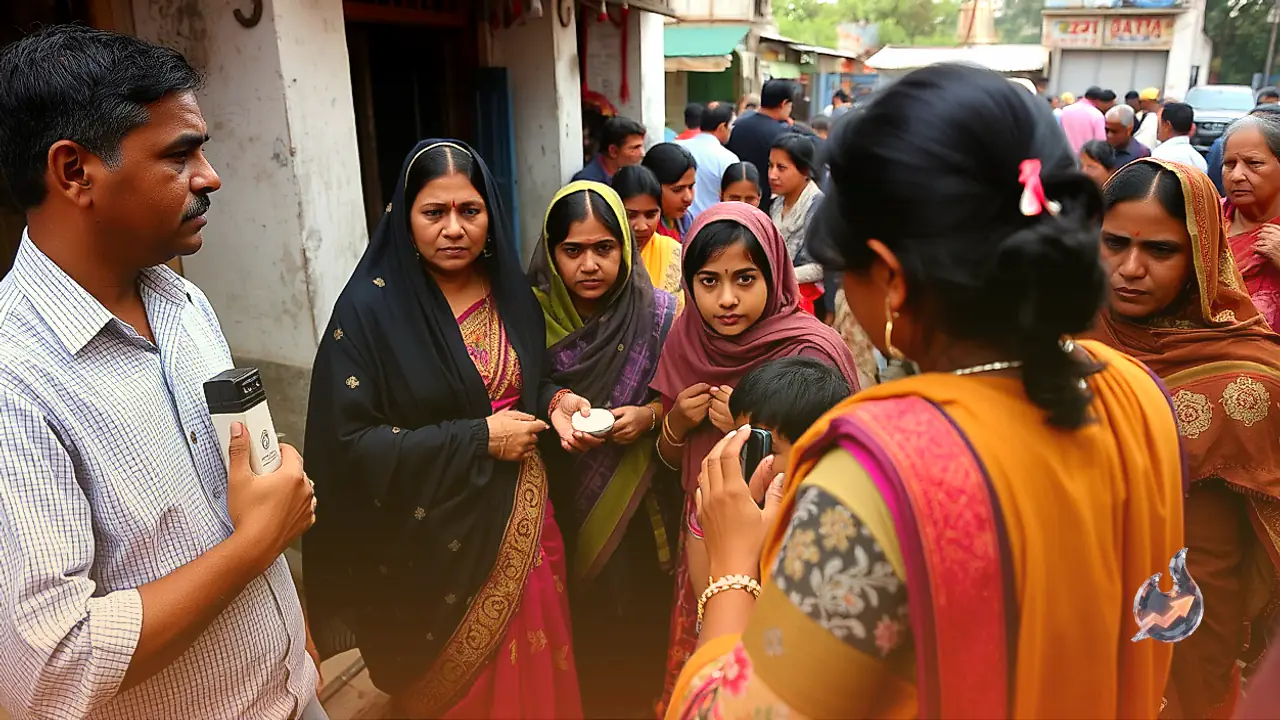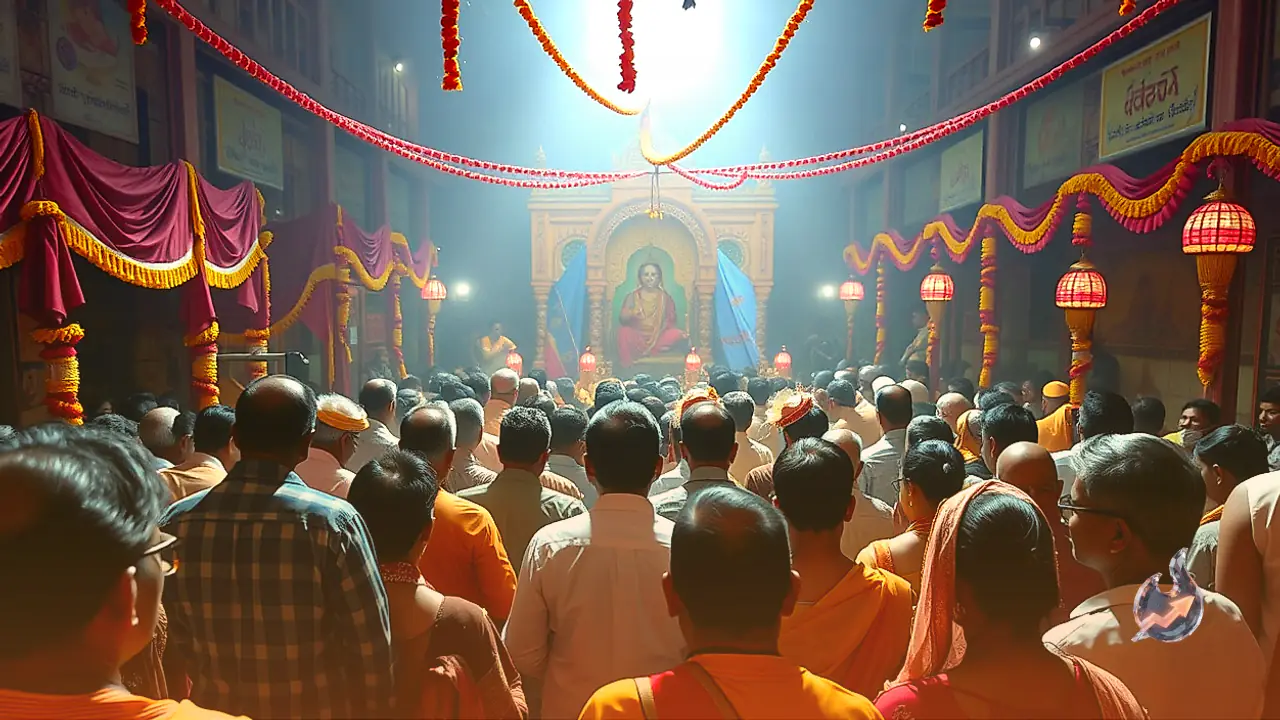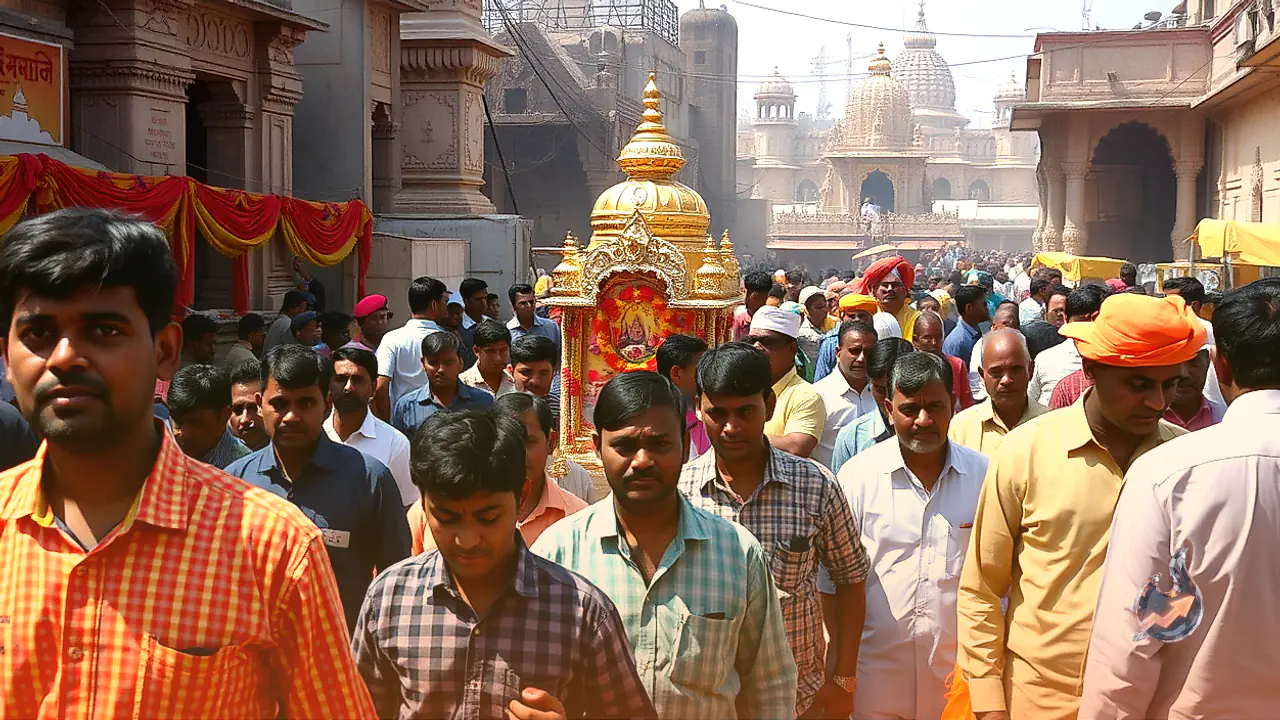


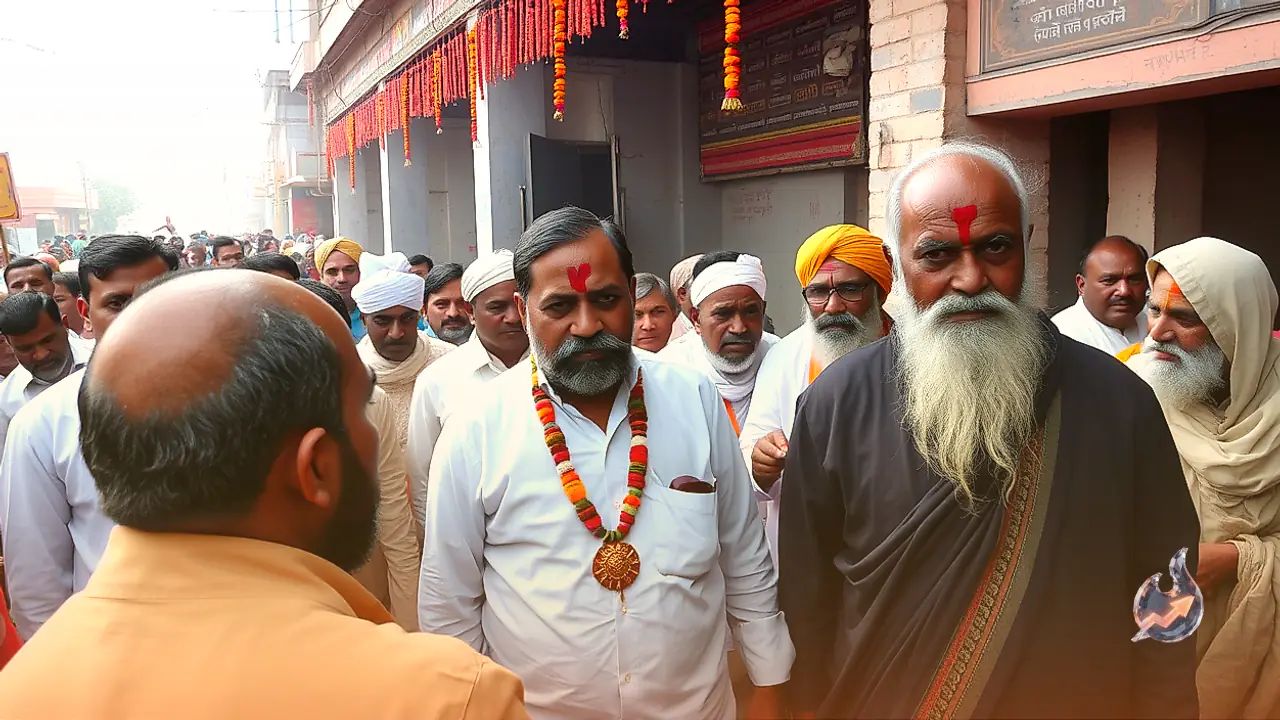
















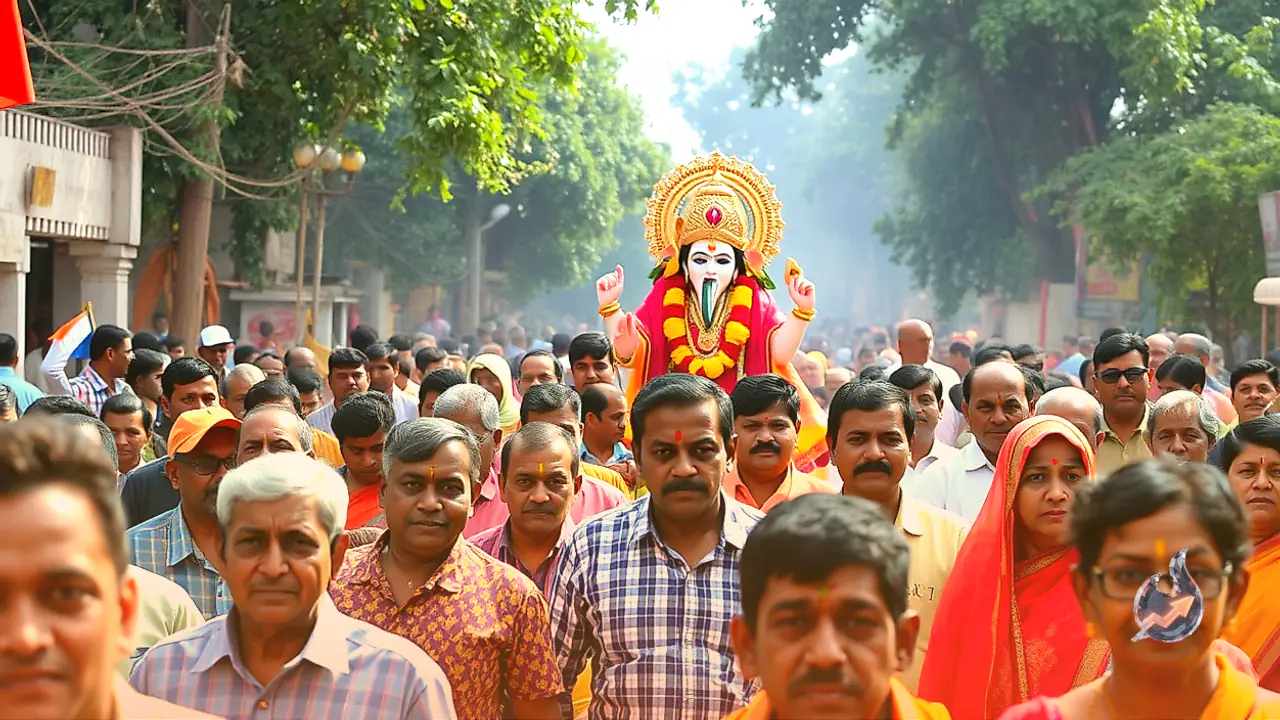

The Navami tithi of Ashwin Krishna Paksha falls on Sunday, October 4, 2026, signifying the revered observance of Matra Navami during the fortnight of Pitru Paksha. This sacred day is traditionally reserved for offering homage, water, and food to departed mothers, grandmothers, and other married women of the lineage. The Navami tithi will remain active until late night at 3:54 AM. Consequently, anyone whose ancestors passed away on a Navami tithi, across either the waxing or waning lunar fortnight, will have their annual shraddha performed on this date. The celestial configuration on Sunday also features Parigha Yoga, which lasts until 12:33 PM in the afternoon. Astrological tradition holds that actions undertaken against rivals or obstacles during Parigha Yoga yield assured success and victory. Alongside this, Punarvasu Nakshatra will stay in effect until 12:14 AM past midnight.
Panchang Timeline, Nakshatra, and Planetary Formations
According to the astronomical calendar for October 4, 2026, the entire daytime schedule is governed by specific planetary intervals. Sunrise is marked at 06:15 AM, while sunset takes place at 06:03 PM in the evening. Devotees structuring their daily devotional rituals should note the distinct transitions occurring through the day.
- Tithi: Ashwin Krishna Paksha Navami extends until late night at 3:54 AM.
- Nakshatra: Punarvasu Nakshatra remains active up to 12:14 AM at night.
- Yoga: Parigha Yoga continues until 12:33 PM in the afternoon before giving way to the subsequent alignment.
- Key Observance: Navami Tithi Shraddha and the dedicated Matra Navami Shraddha.
Auspicious Timings for Matra Navami Shraddha
Vedic traditions prescribe that ancestral rites yield the greatest spiritual fruit when conducted during the midday periods rather than early morning. For October 4, specific windows, particularly Kutup and Rohina muhurats, represent the most sanctified intervals for pinda daan and water oblations.
- Kutup Muhurat: Available from 12:03 PM to 12:51 PM, widely considered the foremost interval to commence shraddha rites.
- Rohina Muhurat: Runs from 12:51 PM to 01:39 PM.
- Aparahna Kala: Spans from 01:39 PM to 04:01 PM, providing ample time to conclude food offerings and priestly hospitality.
Rahu Kaal Timings Across Major Indian Cities
In traditional astrology, Rahu Kaal is classified as an inauspicious window during which fresh material undertakings and auspicious beginnings are customarily paused. Since geographical coordinates vary across the subcontinent, the exact timing of Rahu Kaal differs by location on Sunday.
- Delhi: 04:35 PM to 06:04 PM.
- Mumbai: 04:55 PM to 06:25 PM.
- Chandigarh: 04:36 PM to 06:05 PM.
- Lucknow: 04:21 PM to 05:50 PM.
- Bhopal: 04:36 PM to 06:05 PM.
- Kolkata: 03:52 PM to 05:21 PM.
- Ahmedabad: 04:55 PM to 06:24 PM.
- Chennai: 04:27 PM to 05:57 PM.
Significance and Ritual Observance of Matra Navami
Matra Navami holds a distinct place within Pitru Paksha because it is exclusively dedicated to female ancestors. Families perform rites to honor departed mothers, mothers-in-law, grandmothers, sisters, daughters, and married women who passed away before their spouses. Observances performed on this day are believed to bring peace to the souls of maternal ancestors while simultaneously inviting divine grace for the health, well-being, and protection of women in the living household. Additionally, regular annual shraddha for anyone who died on a Navami tithi will be observed on this date. As noted by astrology, Vastu, and Samudrik Shastra specialist Acharya Indu Prakash, adhering to proper ritual timings ensures that the religious ceremonies yield their full traditional benefits.