



















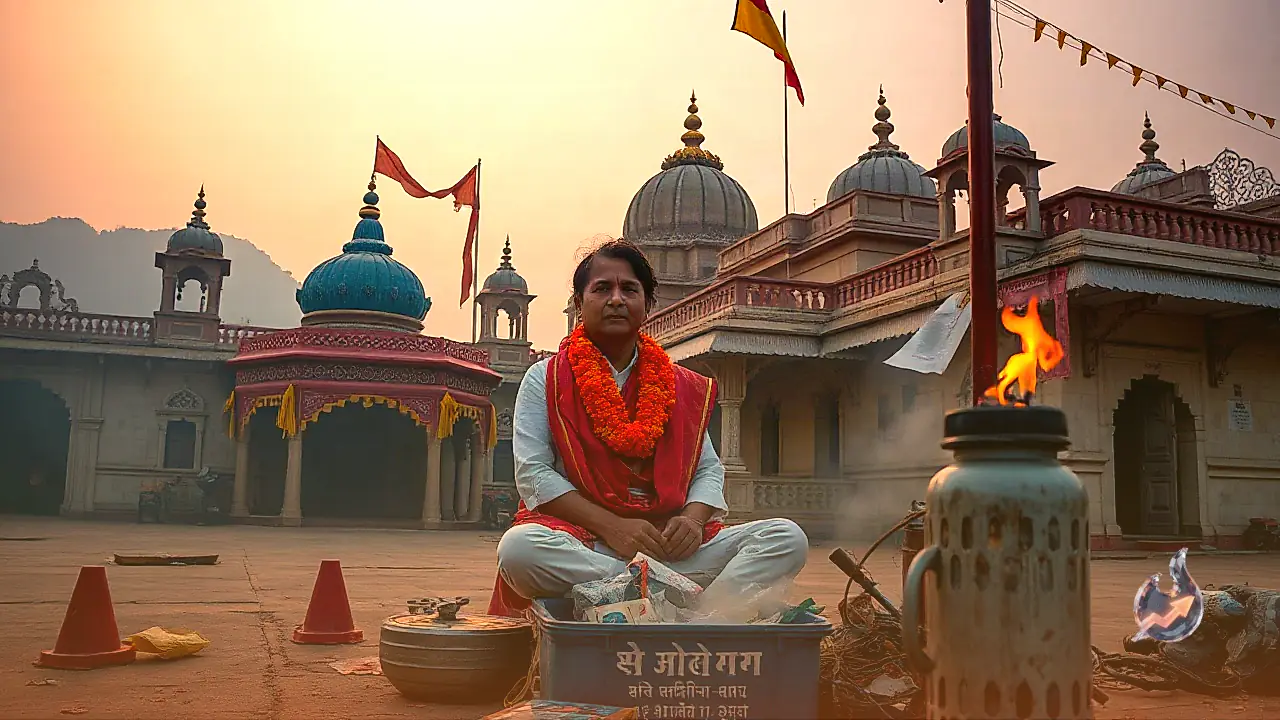

The sacred festival of Harchath, dedicated to praying for the long lives and well-being of children, will be celebrated this year on Wednesday, September 2, 2026. This significant fast is also observed by individuals facing hurdles in childbearing. Worshippers primarily honor Lord Balarama on this day, as tradition holds that he was born on Hal Shashthi. Because devotees grind sandalwood to apply tilak during these rituals, the occasion is frequently referred to as Chandan Chhath. Performing the proper rites requires gathering specific items and following established ceremonial steps.
Harchath Puja Samagri List
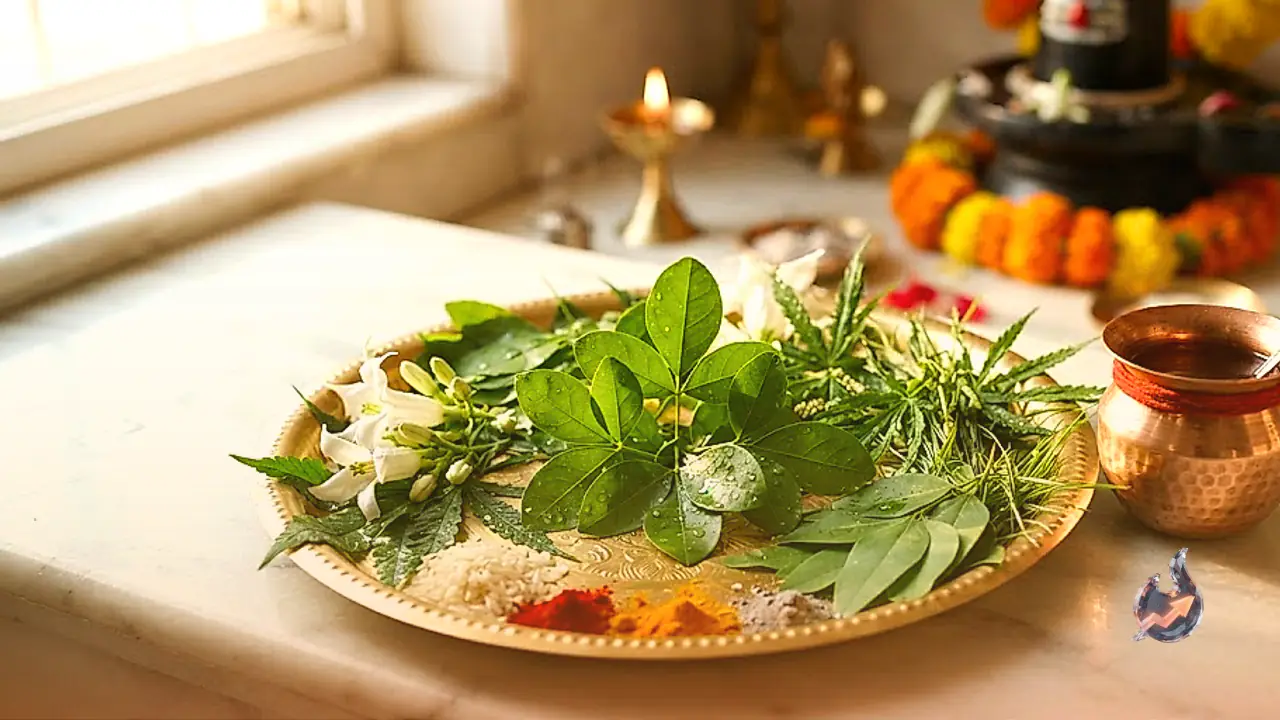
Preparing for the observances requires a specific collection of traditional items. Essential elements include buffalo milk, ghee, curd, and dung. Mahua fruits, flowers, and leaves are also mandatory components of the worship. Additional requirements includeipan, small earthenware pots, jowar dhani, and a traditional earthen pitcher known as matki. Ritualistic items such as devli-chevli, pond-grown pashi rice, roasted gram, ghee-roasted mahua, and paddy puffed rice are indispensable. The offering list further includes seven distinct grains consisting of wheat, barley, pigeon pea, maize, green gram, and paddy, alongside red sandalwood, turmeric, new garments, sacred thread, kusha grass, and an earthenware lamp.
Harchath Puja Rituals
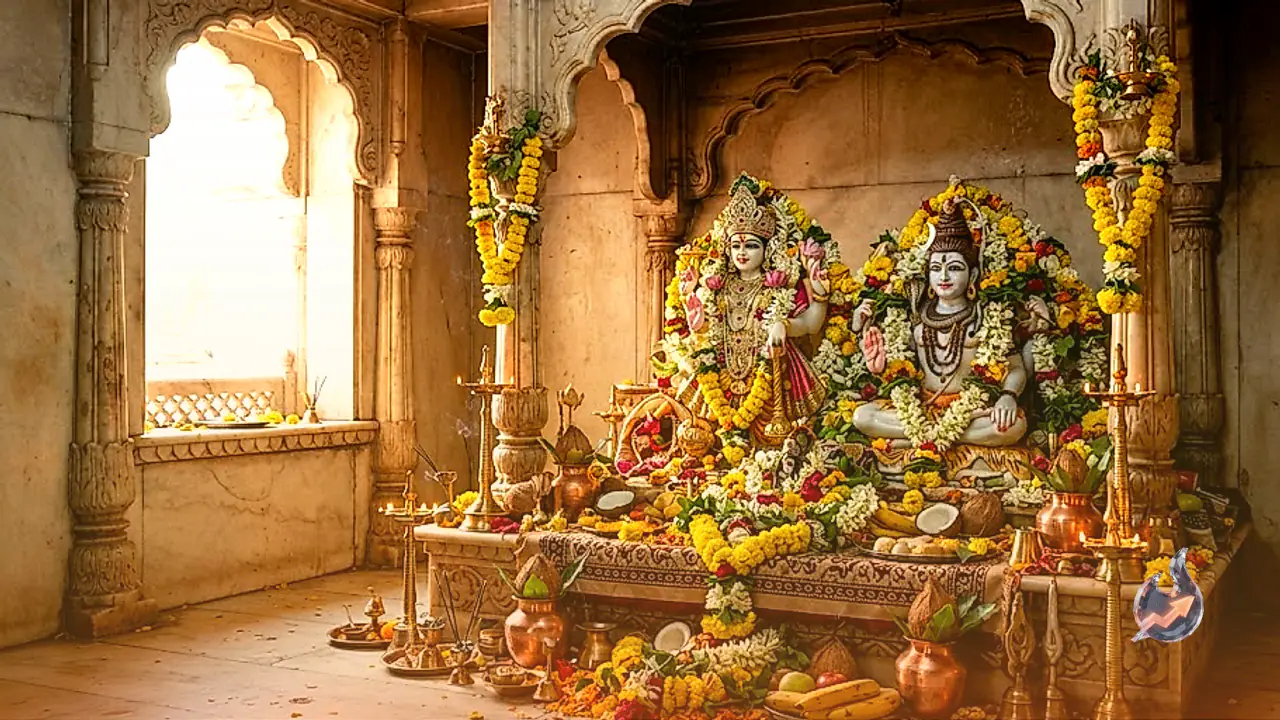
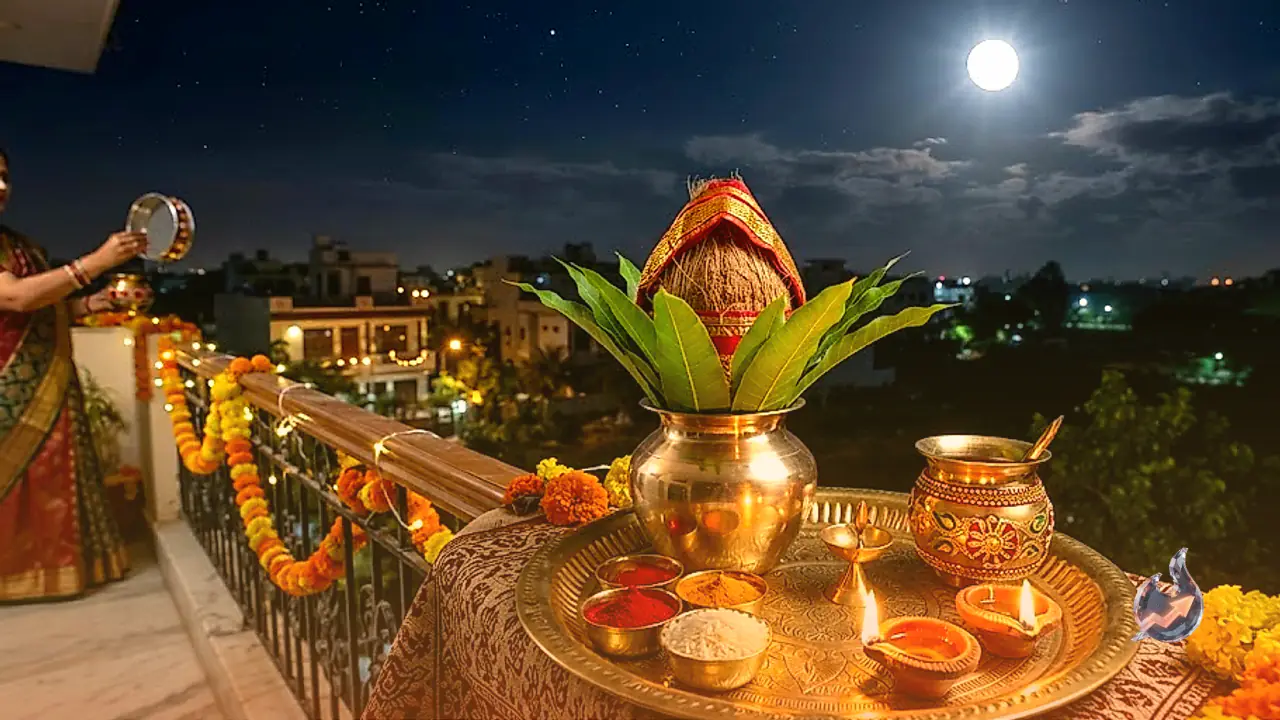
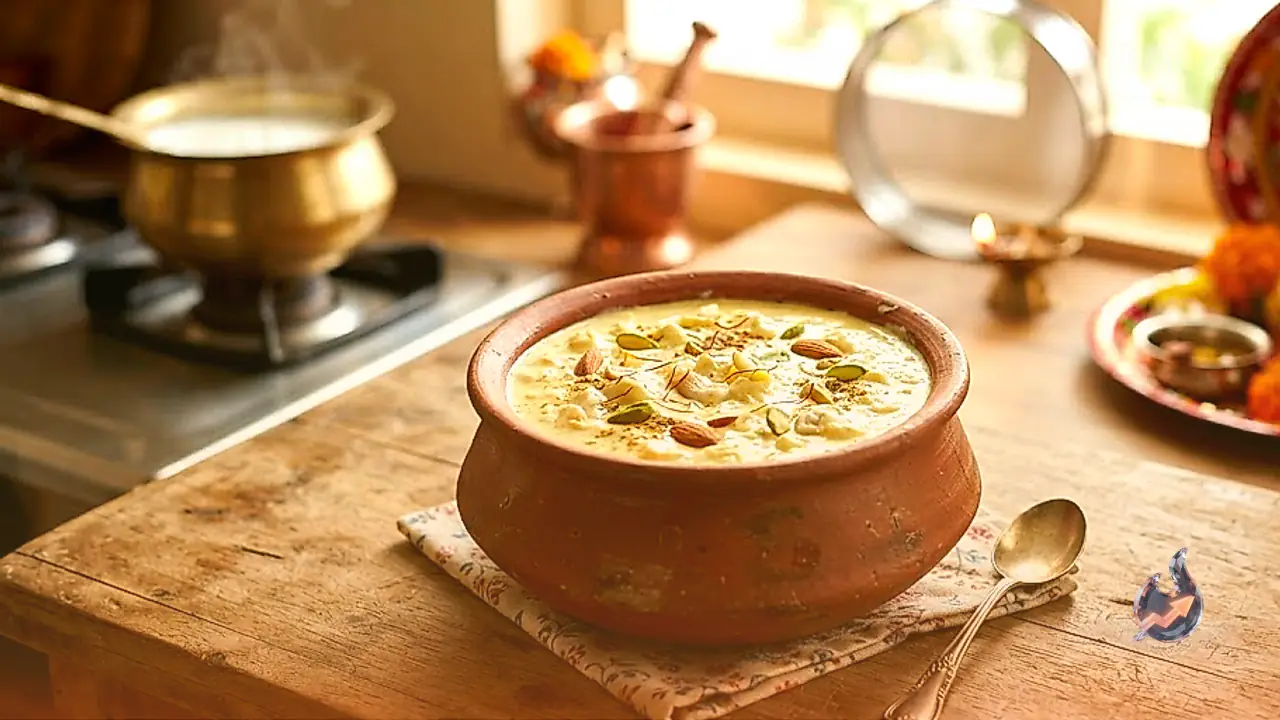
The observance is kept as a strict nirahar fast, meaning participants abstain entirely from grain consumption. Devotees avoid any food items or fruits grown through plowing or tilling the earth, restricting their diet exclusively to buffalo milk and curd throughout the day. Practitioners wake up early in the morning, clean their teeth using a mahua twig, bathe, and take a formal vow of fasting. Afterward, they use buffalo dung to sketch figures of Chhath Mata, a plow, the Saptarishi, animals, and a farmer on the prayer room wall. A wooden platform draped in cloth is then set up to install a sacred kalash alongside idols of Lord Ganesha and Goddess Parvati, followed by ritualistic worship. Jowar dhani and mahua are placed inside an earthen cup, while devli-chevli is kept in a separate pitcher. Devotees worship Hal Chhath Mata, the earthen cup, and the pitcher in sequence. Seven grains, roasted gram mixed with clean dust, ornaments, and turmeric-dyed clothing are then offered. A butter oblation is performed, ensuring the butter comes exclusively from buffalo milk rather than cow milk. The rituals conclude with listening to the Harchath narrative and performing aarti for Lord Balarama and Lord Krishna. Participants finally break their fast by sitting together and consuming mahua fruit placed on a mahua leaf along with curd made from buffalo milk.