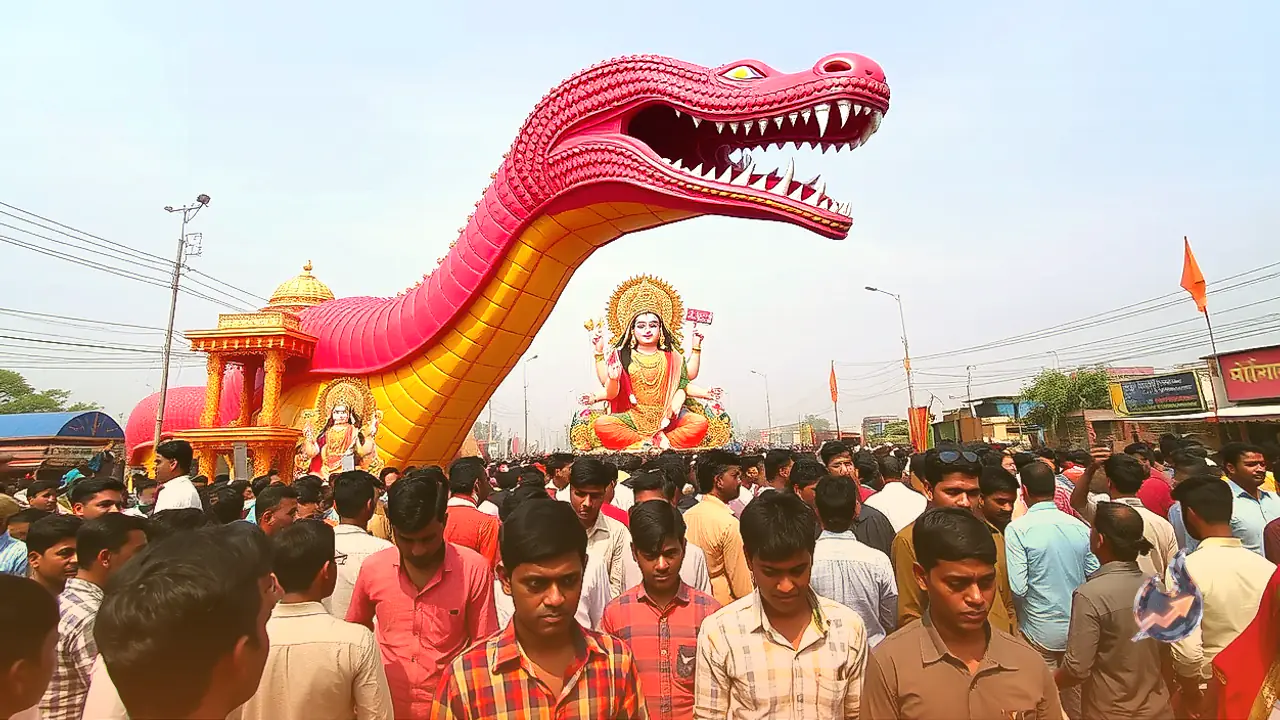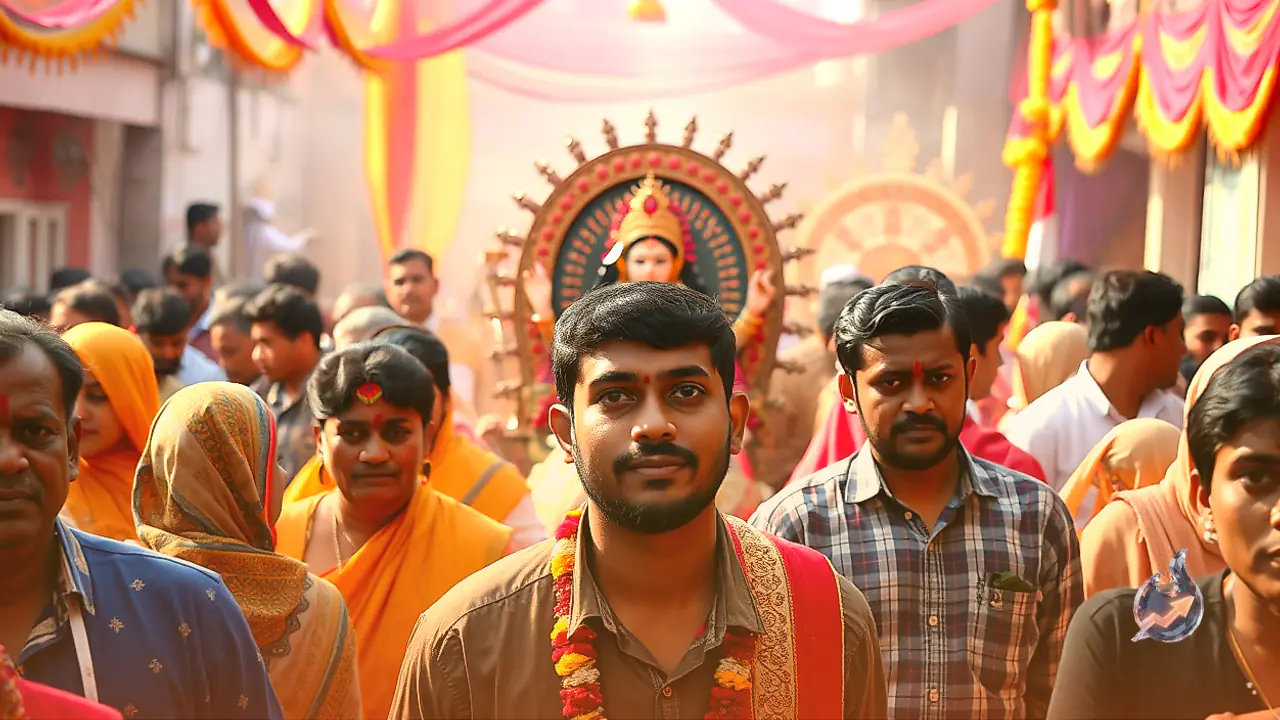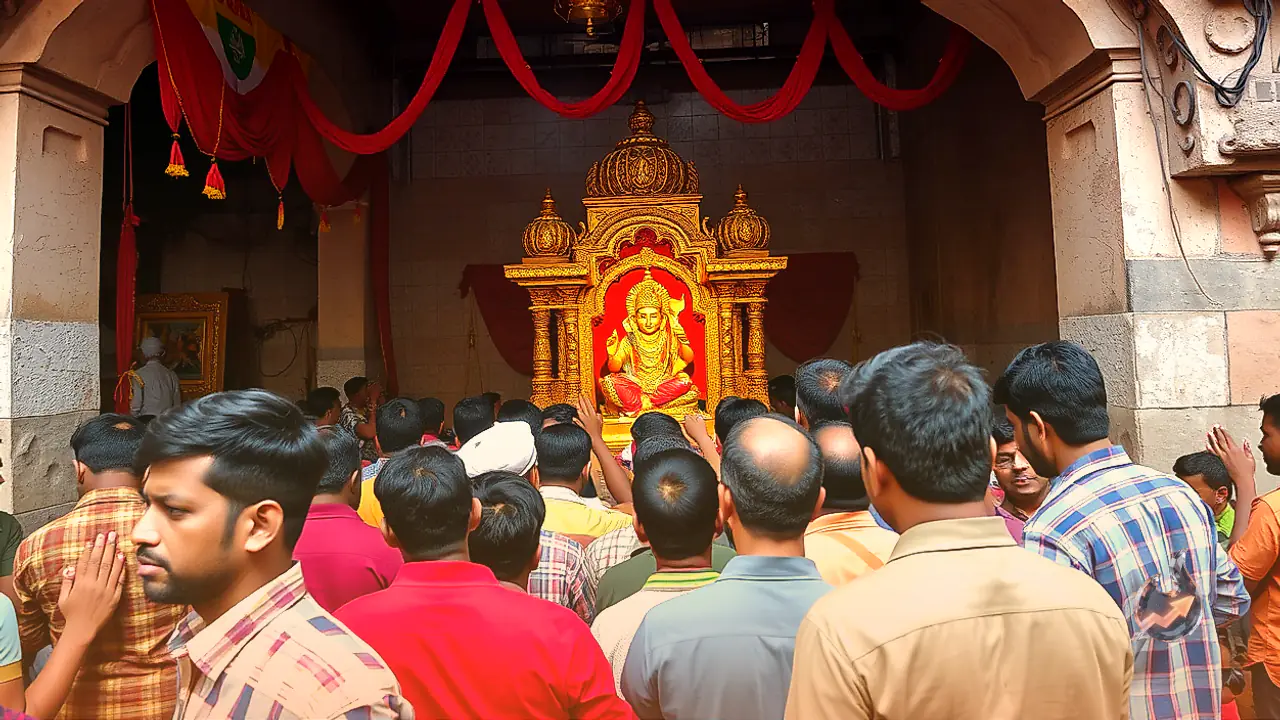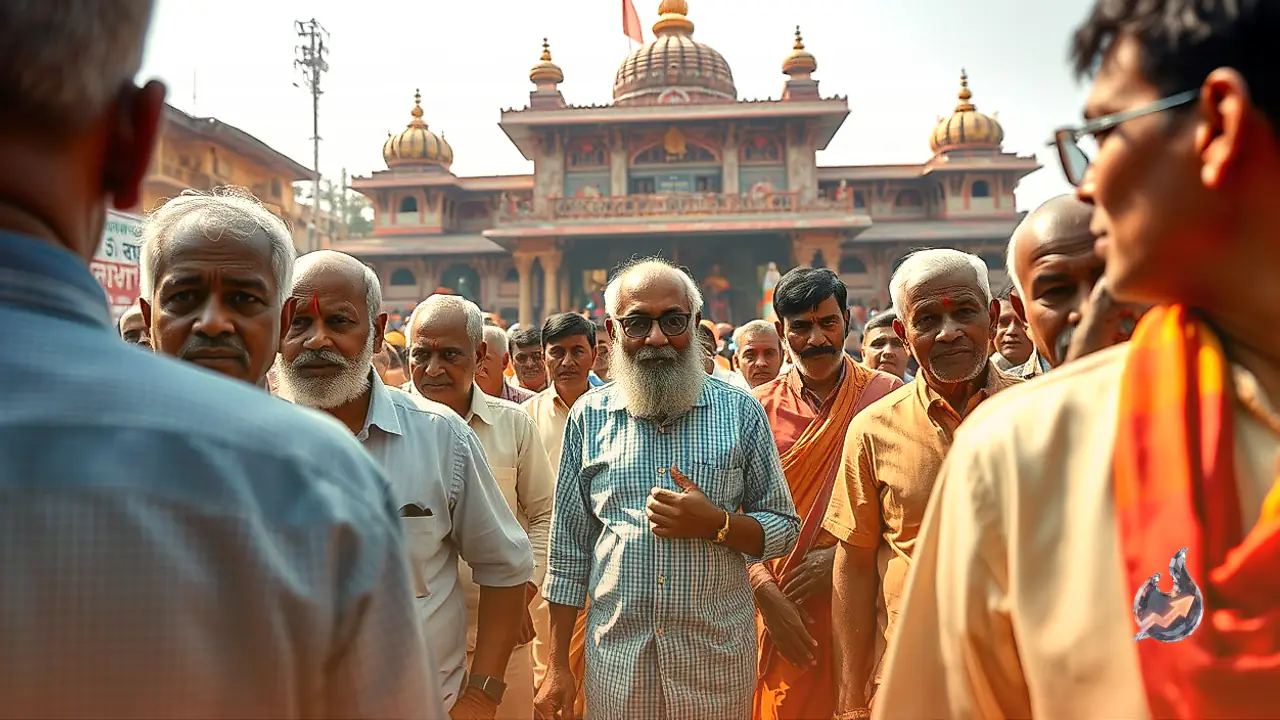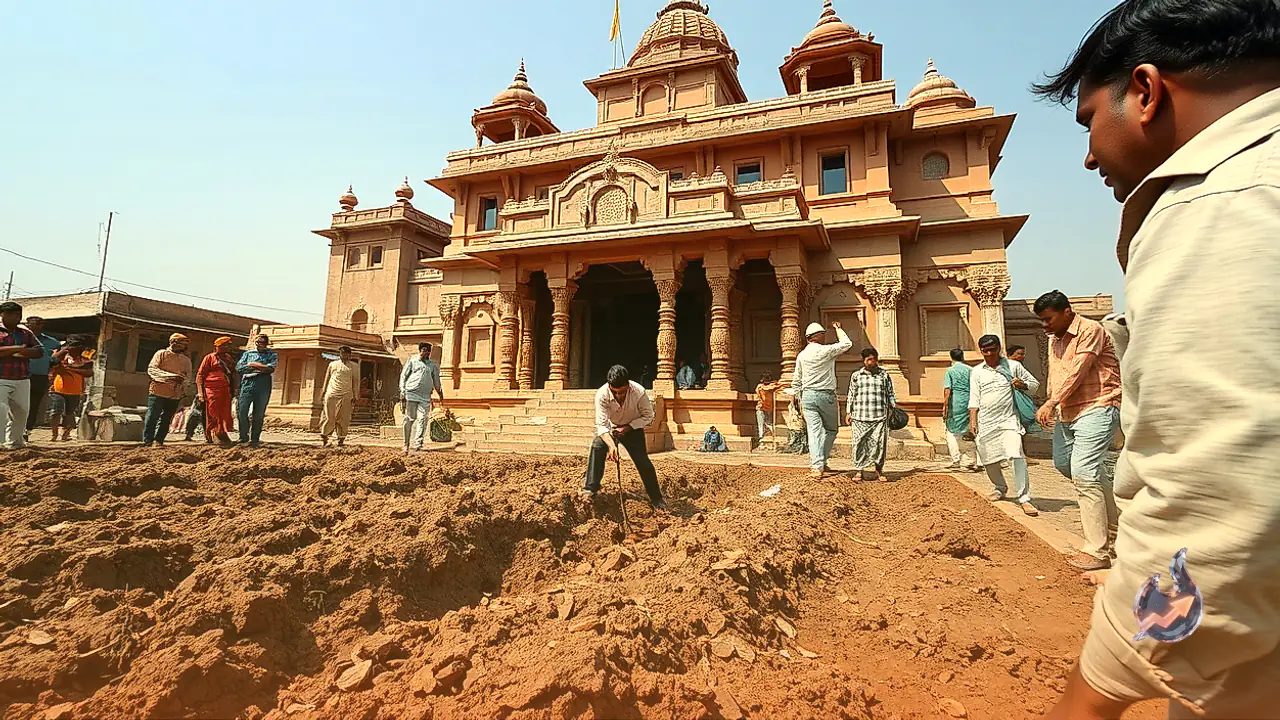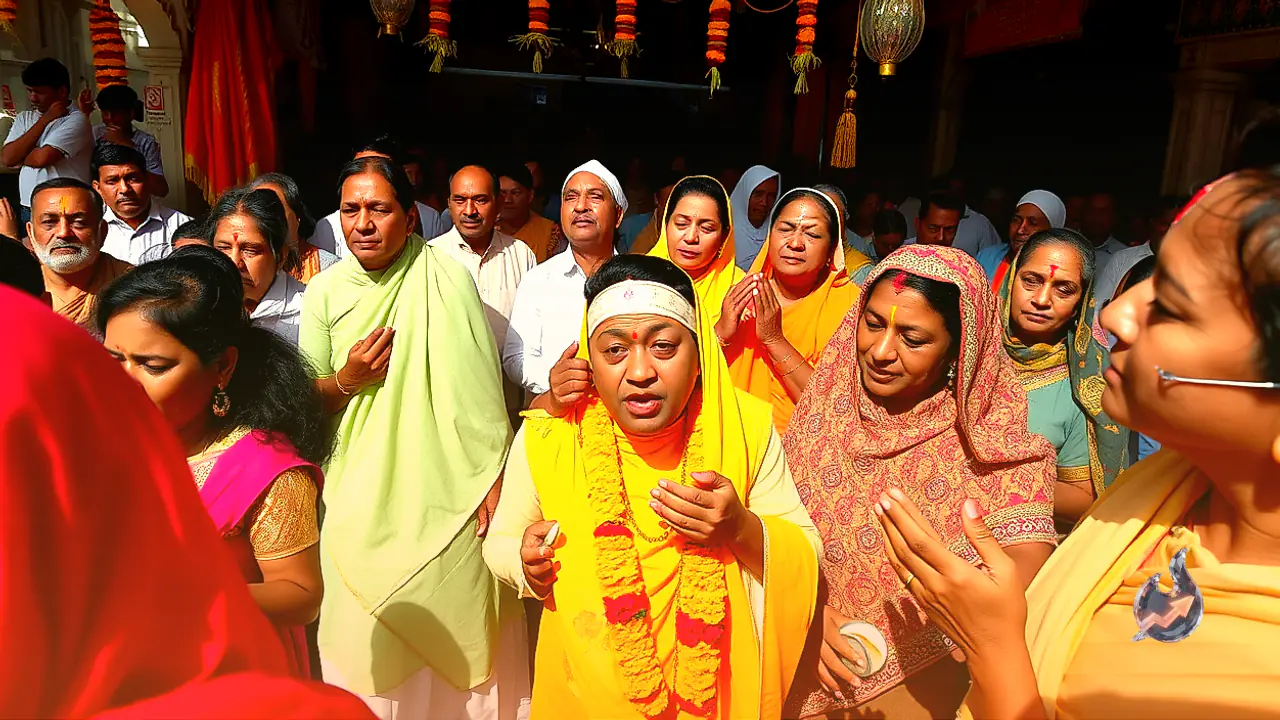



















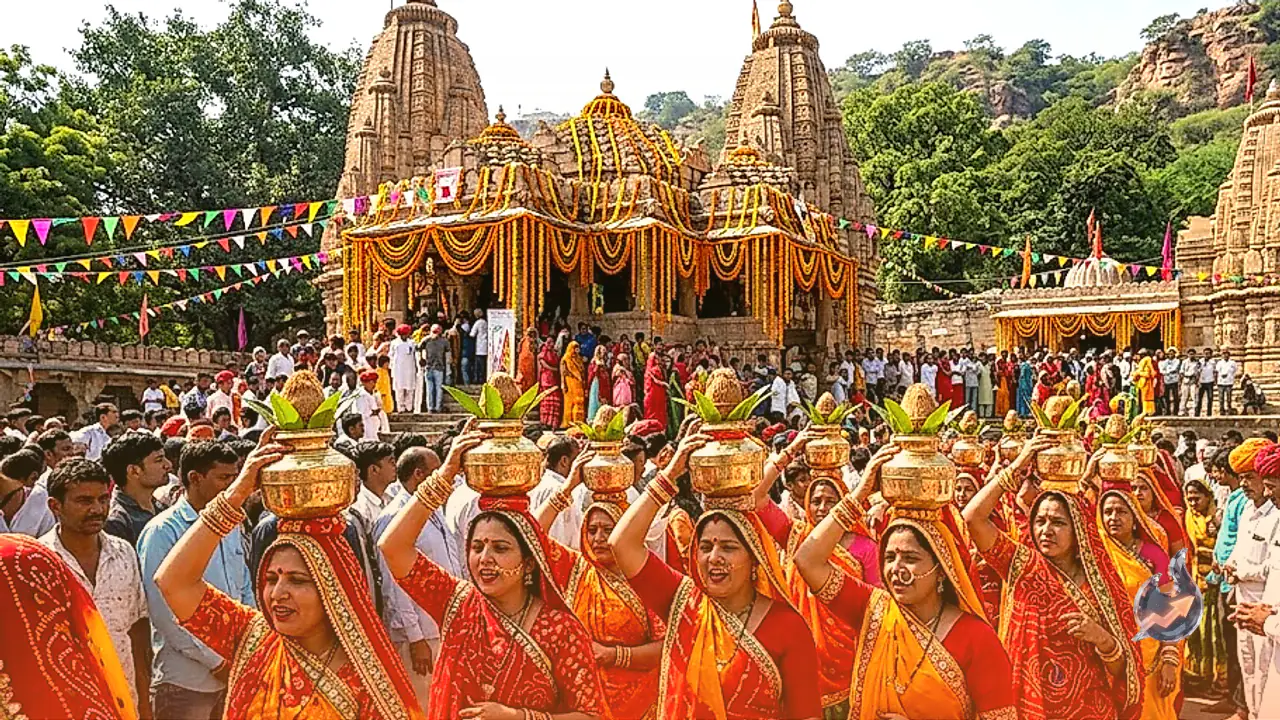

Devotees gathered in large numbers as the nine-day Shardiya Navratri celebrations commenced with deep spiritual fervor at the renowned Shri Joganiya Mata shrine in Rajasthan's Mewar region. The formal start of the sacred festival was marked by traditional flag hoisting and the sanctified Ghatasthapana ceremony, signaling the start of the annual pilgrimage fair across the premises. Marking the auspicious opening, an impressive Kalash Yatra was carried out from the holy lake toward the temple sanctuary, accompanied by ceremonial bands, beat of traditional drums, and continuous devotional chanting. Priests conducted Vedic rituals and a grand Maha Aarti at the sanctum sanctorum, with parallel ceremonies observed across the sixty-four Yogini shrines and the Shiva temples located within the temple complex.
Devotees Travel Across State Borders to Offer Prayers
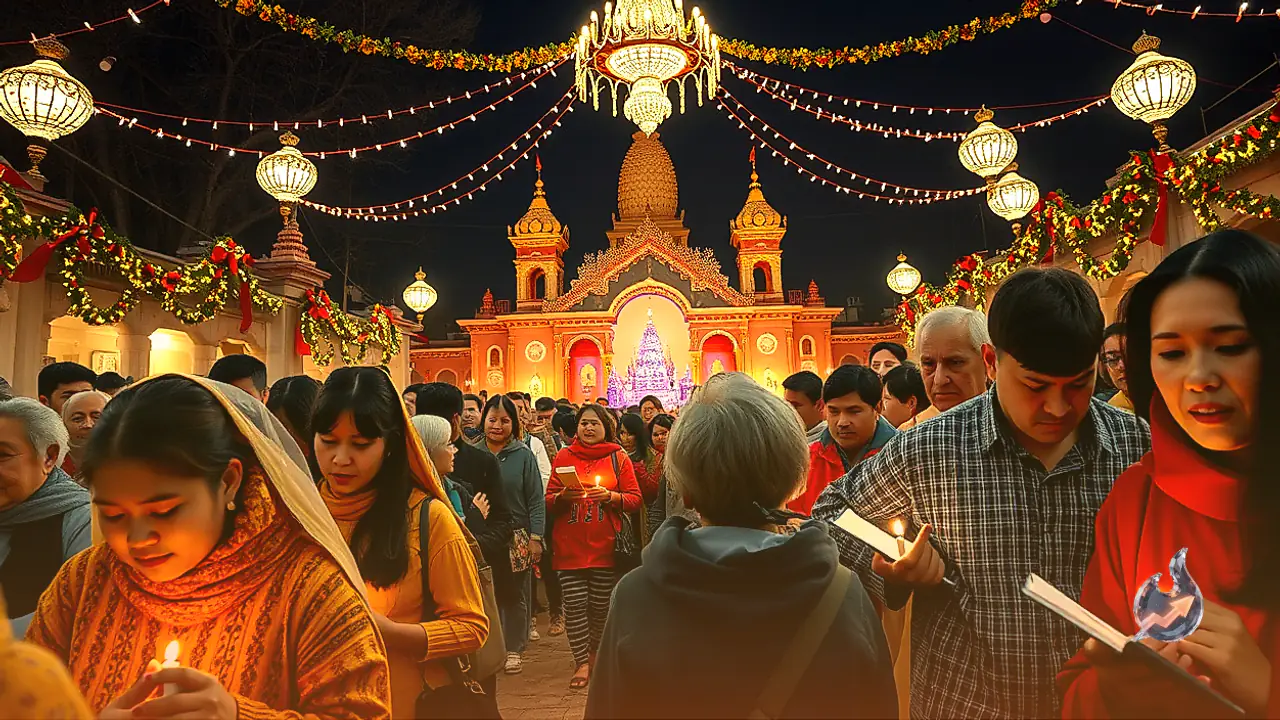
The spiritual prominence of the Joganiya Mata shrine draws pilgrims not only from Bhilwara and Chittorgarh districts but also from across Rajasthan and neighboring Madhya Pradesh. Holding a paramount place in Mewar's heritage, the shrine attracts widespread reverence owing to its age-old spiritual legends and miraculous beliefs. In anticipation of the festive gathering, the temple administration transformed the entire campus with vibrant flower decorations and brilliant illumination displays that glow brightly through the festive evenings.
Extensive Religious Discourses and Ceremonies Scheduled Through October 20
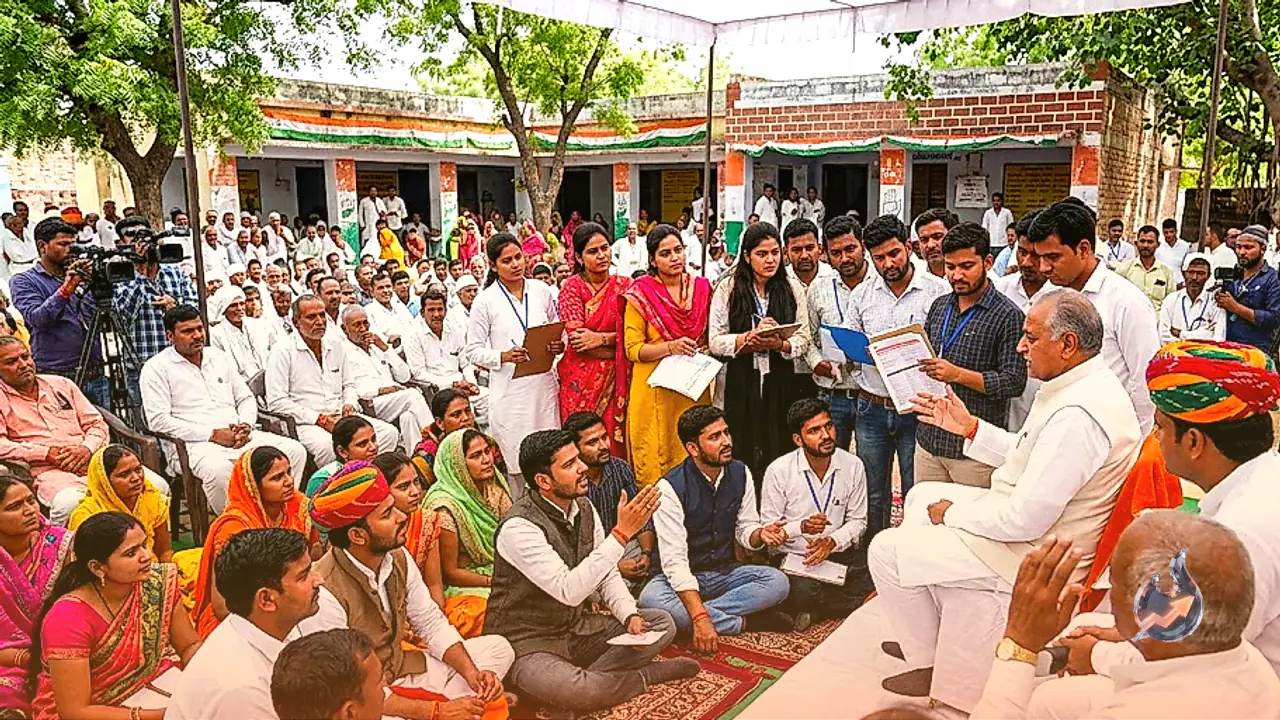
Details regarding the elaborate religious schedule were shared by Satyanarayan Joshi, President of the Shri Joganiya Mata Shakti Peeth Management and Development Sansthan, who outlined the arrangements for the ongoing pilgrimage.
"Along with the Navratri festival, the fair has also commenced."
According to Satyanarayan Joshi, the deity will be adorned in elaborate ceremonial attire daily, followed by structured worship rituals and aartis each morning and evening. The festival features a wide array of sacred observances, including discourses on Devi Bhagwat Katha, five-altar Panch Kundiya Mahayagya, Akhand Ramayan recitation, Durga Path, and Gayatri Yagya. Visitors can also attend spiritual lectures, Ramlila theatrical reenactments, and devotional bhajan evenings throughout the period, with the entire religious schedule culminating on October 20.
Elaborate Facilities Arranged Alongside All-Night Access on Durga Ashtami
Anticipating high visitor volume across the nine-day span, the temple management implemented extensive logistical measures. Facilities arranged at the site include organized queueing lanes for darshan, structured parking zones, guest boarding spaces, purified drinking water counters, community dining services, and backup power supply to prevent disruptions. To accommodate the heavy rush on the auspicious occasion of Durga Ashtami, temple doors will remain open continuously throughout the night for uninterrupted visitation, with grand Dussehra festivities slated for Vijayadashami.
A Rare Complex Housing Sixty-Four Distinct Divine Idols
Among the distinguishing aspects of the ancient Joganiya Mata complex is the rare congregation of 64 consecrated divine idols positioned across the sanctum premises. Worshippers can seek blessings before Bharat Mata, Maa Shailputri, Maa Mahagauri, and Mata Kalaratri, alongside forms honoring arts and music such as Veena Vadini, Mridang Vadini, and Shehnai Vadini. The holy pantheon further encompasses representations of Maa Chamunda, Mata Bhadrakali, Mata Dhumavati, Mata Brahmi, Mata Jwalamukhi, Maa Gandhari, Maa Aghor, Mata Suryaputri, Mata Vayu Veena, Mata Vayu Vega, Mata Sarvamangala, Mata Ajita, Maa Ganga, Yamuna, Mata Uma, Mata Kali, Mata Narayani, Maa Chandra Kanti, Mata Samudra, Maa Murti, Aayogani Maa, Mata Stuti, Gatabari Mata, Kamayani Mata, Ambika Maa, Maheshwari Mata, Kaveri Mata, Ratri Mata, and Maa Kankadi, offering a comprehensive devotional experience under a single sacred compound.