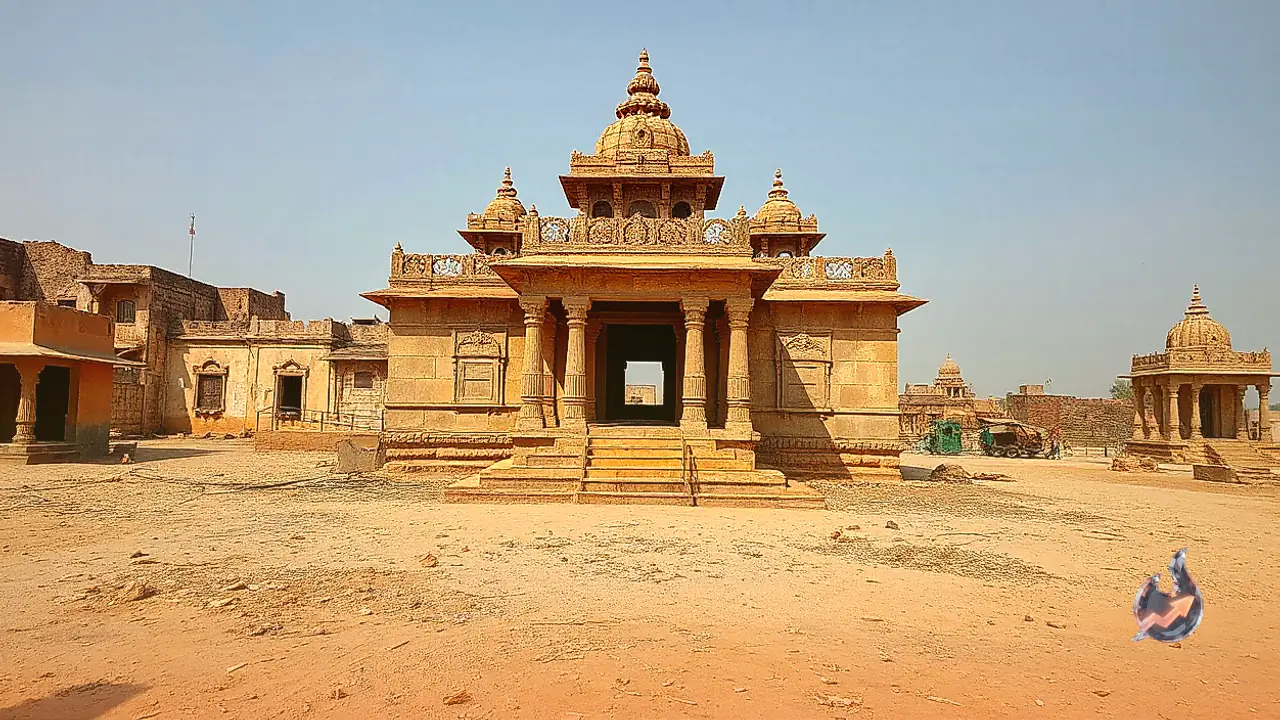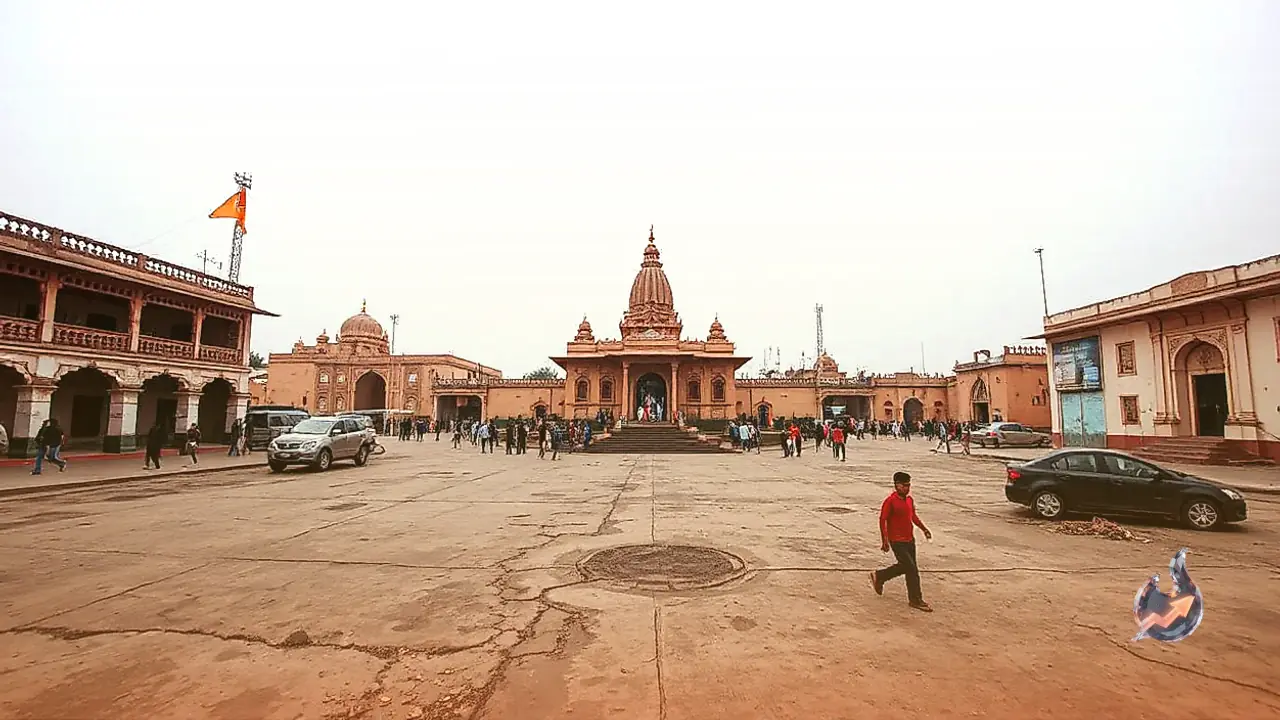

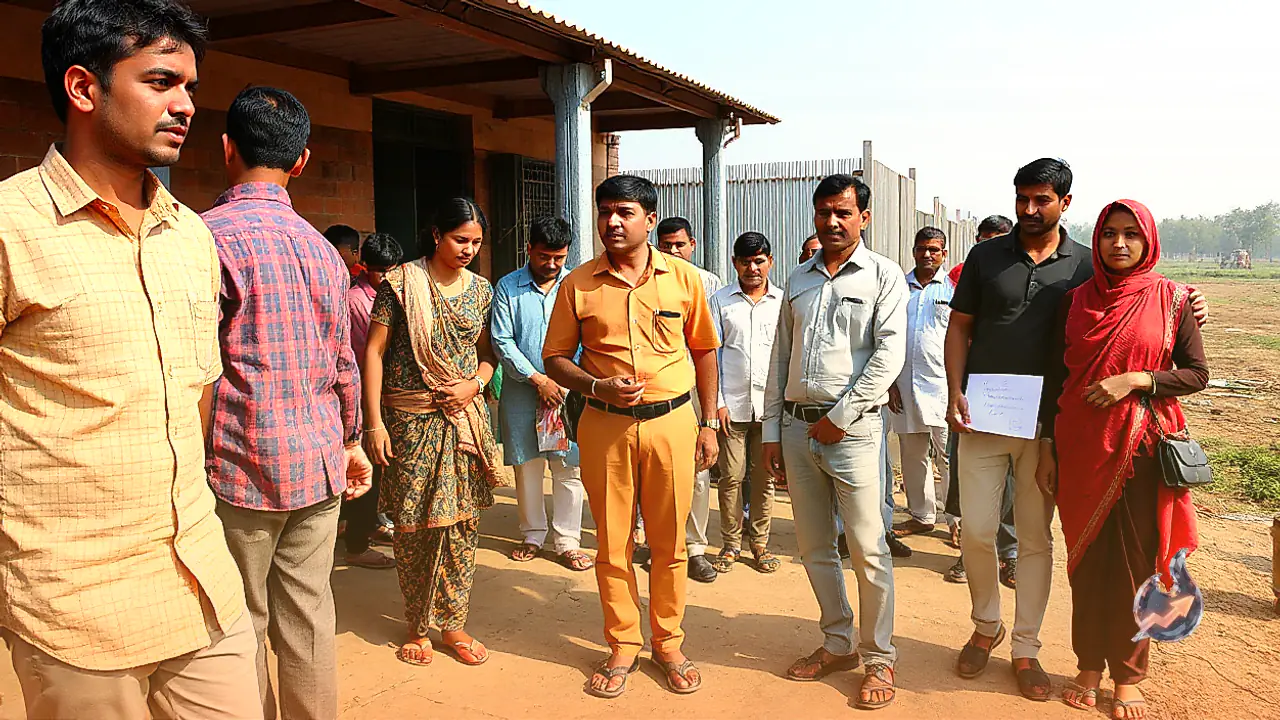

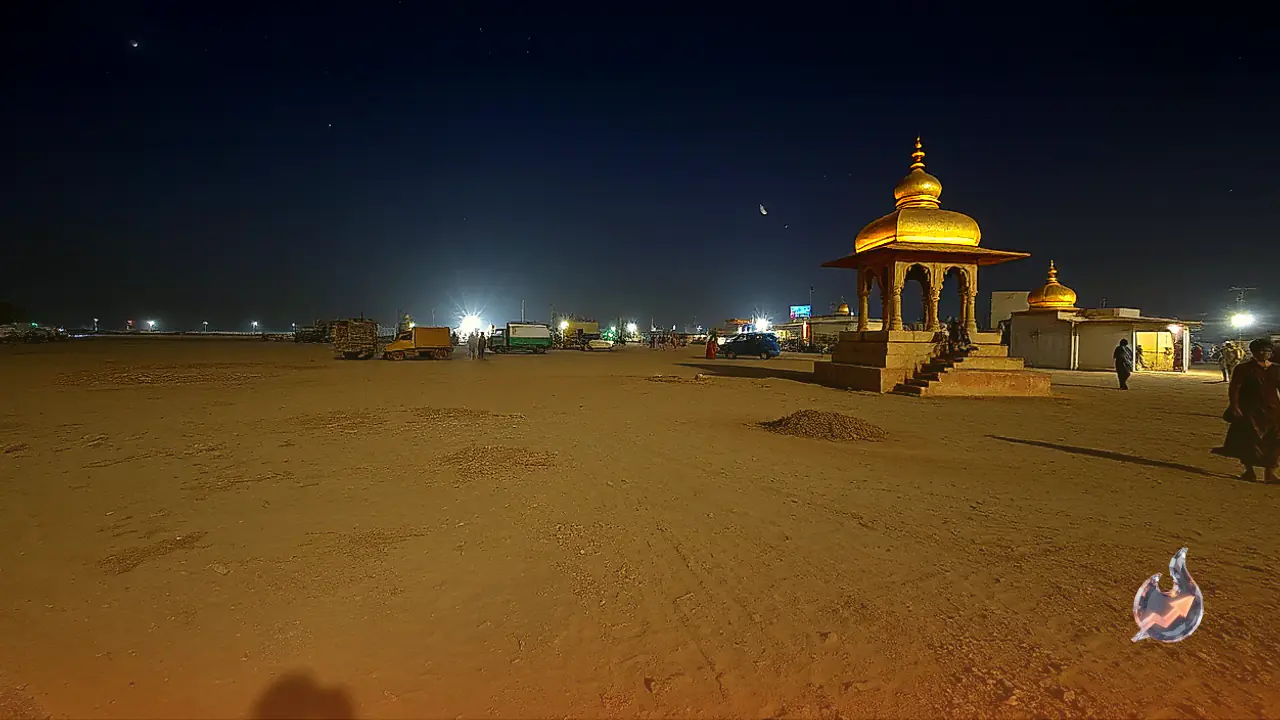


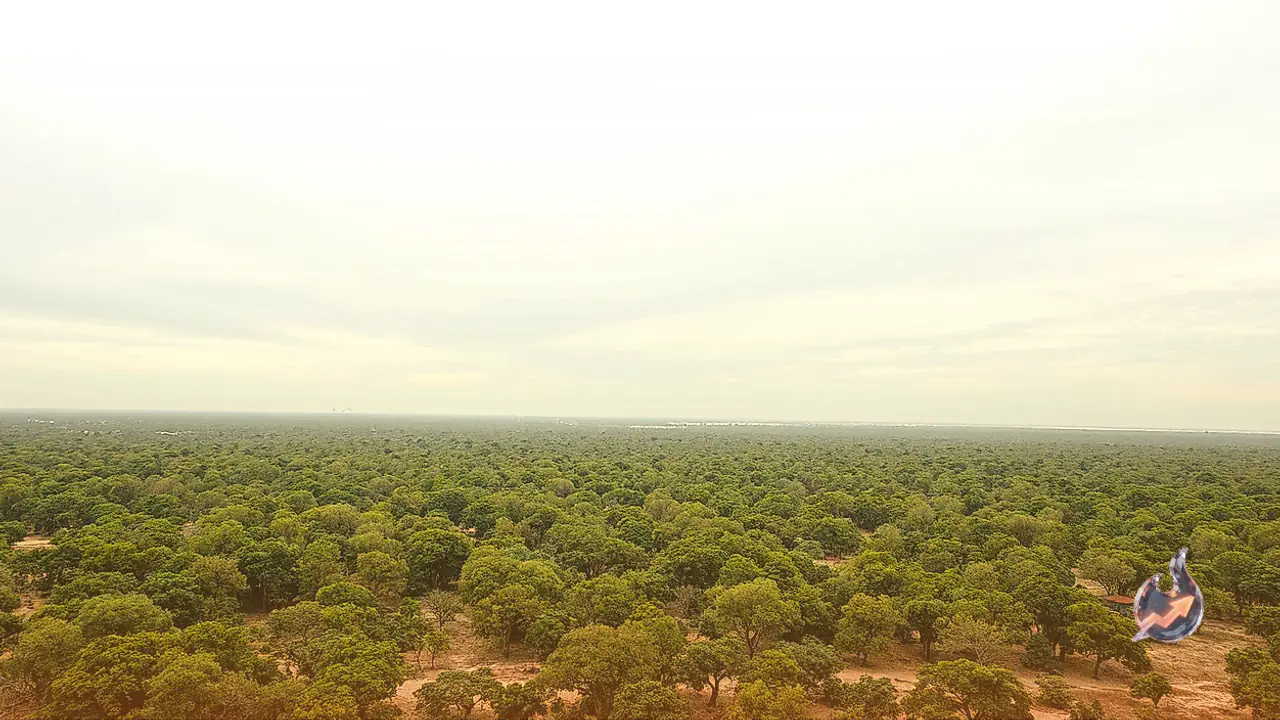
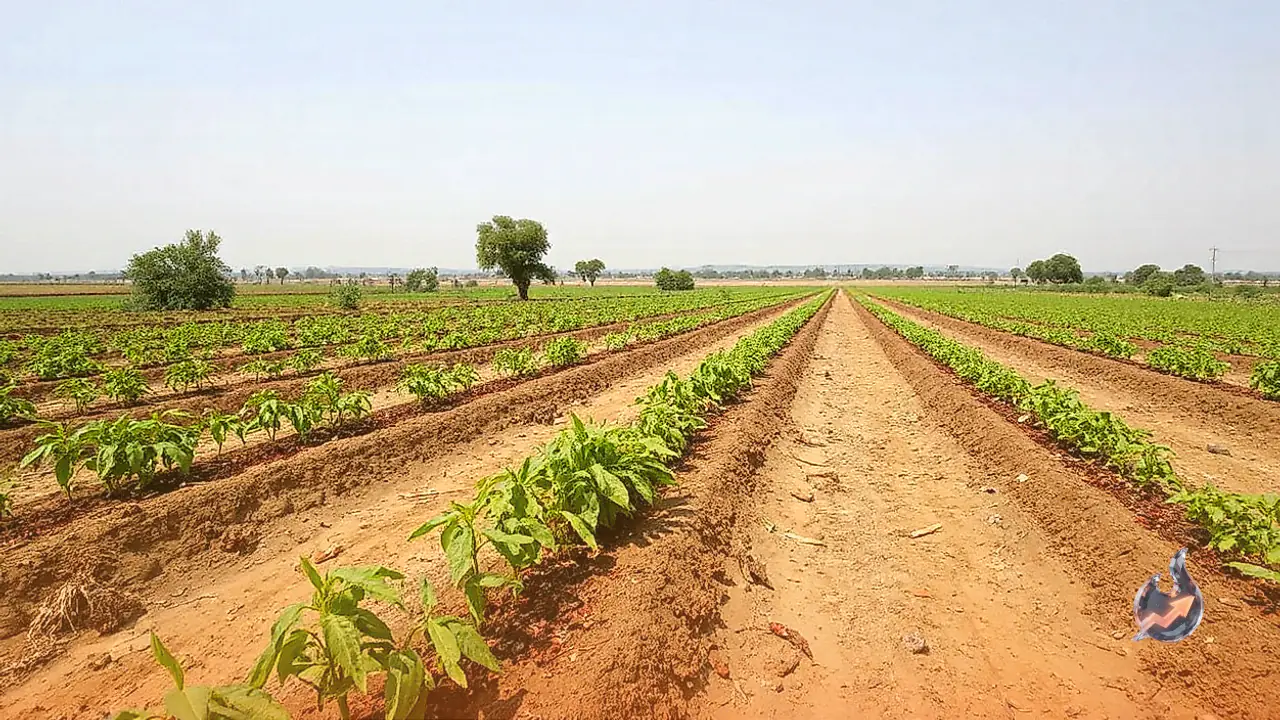















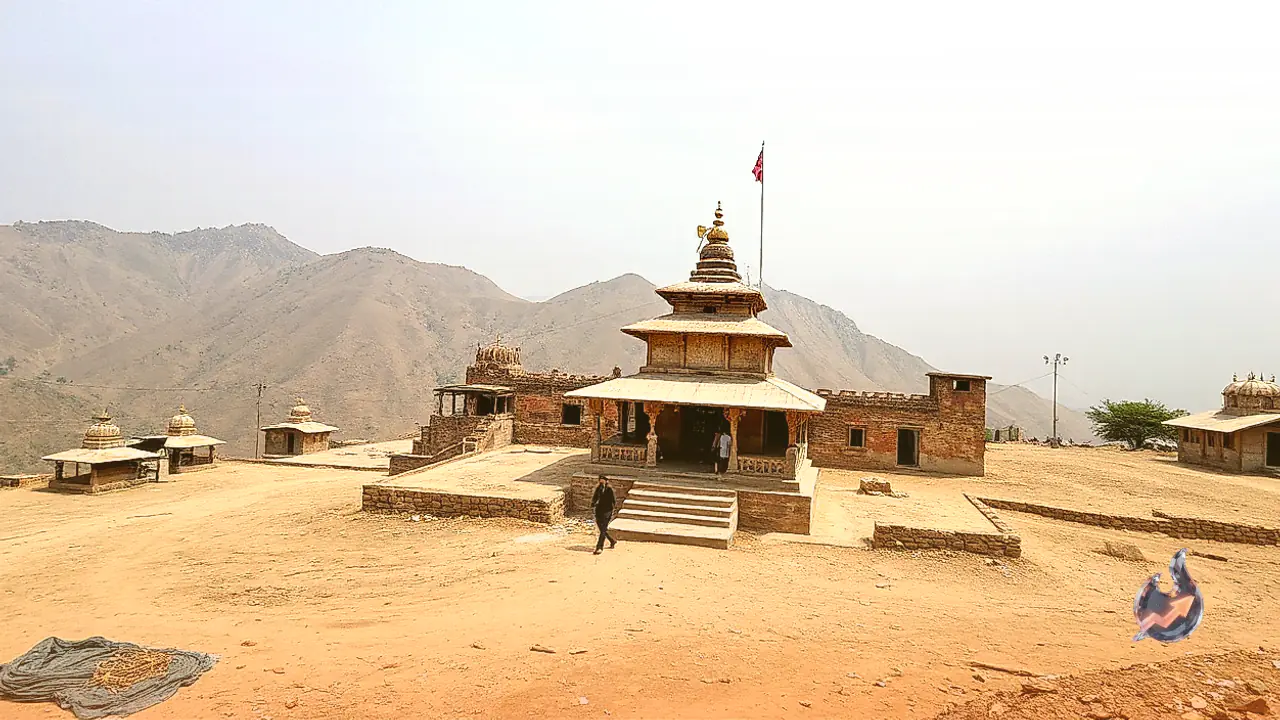

Tucked within the ancient Shivalik mountain ranges in the Saharanpur district of Uttar Pradesh lies the revered seat of Shakumbhari Devi. This sacred shrine is not merely a center of customary worship, but an enduring symbol of compassion, raw divine power, and environmental preservation. According to ancient lore, there was an era when an unrelenting catastrophe struck the earth, wiping out sustenance and leaving living beings desperate for food and water. It was during that dark period that the supreme goddess manifested vegetation and nourishment, rescuing humanity, animals, birds, and the entire cosmic creation from extinction.
The Treachery of Durgamasura and the Loss of Vedic Rites
The origin of this pilgrimage site is anchored in a profound narrative of crisis and restoration. Ancient accounts record that an Asura named Durgam undertook intense penance to propitiate Lord Brahma. When pleased, Brahma appeared to grant a boon, and the demon cunningly demanded possession of the four sacred Vedas. Bound by his own promise, Lord Brahma had to surrender the holy scriptures. Durgamasura seized the texts and fled deep into the subterranean depths of Rasatala.
With the disappearance of the Vedas, all religious and cosmic rituals across the earthly realm ceased immediately. Sacrificial fires, sacred oblations, prayers, and chants came to a complete halt. Deprived of ritual harmony, nature fell into severe disarray, leading to a catastrophic famine. The rains stopped entirely, water sources vanished, and the fertile earth turned desolate. As starvation took hold, birds and cattle perished in immense numbers. Driven to madness by extreme hunger and the absence of any edible matter, humans began turning on one another in sheer desperation, pushing the planet toward absolute collapse.
The Emergence of Shatakshi and the Hundred Weeping Eyes
Witnessing the agonizing plight of earthly life, the celestial beings and hermits gathered to invoke the supreme feminine divine power, Adishakti. Responding to their desperate lamentations, Parvati assumed the form of Shatakshi, manifesting a hundred eyes all over her physical form. When the goddess observed the wretched state of living beings and the utter ruin of the earth, profound sorrow overcame her. Tears poured incessantly from her hundred eyes, flowing across the scorched land and turning the drought-stricken world into a landscape abundant with water.
Yet, water alone could not sustain life indefinitely without nourishment. The creatures required food to survive the lingering aftermath of the catastrophe. Seeing this continuing hardship, the sages and sages once again prayed before Mother Shatakshi, pleading for a way to sustain their weakened bodies.
The Shakumbhari Manifestation and the Renewal of Nature
In answer to their prayers, the goddess took on her divine Shakumbhari incarnation. Through her miraculous power, she caused vast varieties of edible greens, vegetables, fruits, and healing herbal vegetation to sprout directly from the earth. The abundant harvest provided immediate sustenance to the starving population of human beings, animals, and birds, renewing life across the entire ecosystem. Because she nourished the entire cosmos through wholesome greens and vegetation, she earned the name Shakumbhari, revered as the ultimate protector of nature, food, and life sustenance.
Four Divine Aspects and the Protective Role of Baba Bhuradev
At the Shivalik shrine in Saharanpur, devotees revere four distinct aspects of the goddess. Shakumbhari stands as the emblem of food, vegetation, and planetary nourishment. Shatakshi embodies boundless compassion, water, and life-restoring grace. Bhima personifies raw courage, inner strength, and the eradication of evil. Bhramari signifies supreme protective energy and the absolute destruction of destructive forces. Together, these manifestations convey the cosmic necessity of safeguarding the natural world.
A pilgrimage to this mountain sanctuary is also tied to the worship of Baba Bhuradev, regarded as an aspect of Lord Bhairava and the eternal guardian of the holy abode. Custom mandates that pilgrims visit and offer reverence to Baba Bhuradev before proceeding to the sanctum of Shakumbhari Devi. Only after paying homage to the protector is the pilgrimage considered complete. The shrine continues to draw seekers from across the nation, reminding visitors of their fundamental duty to respect nature, protect living creatures, and extend compassion to those in need.