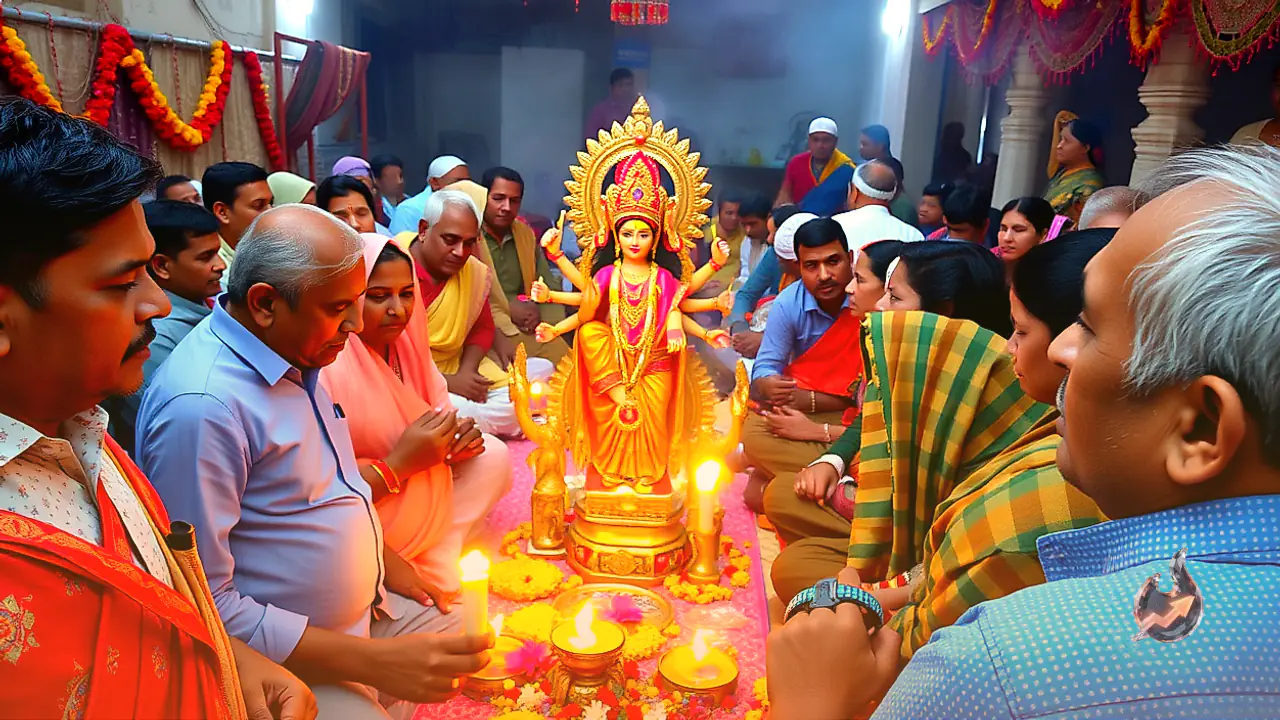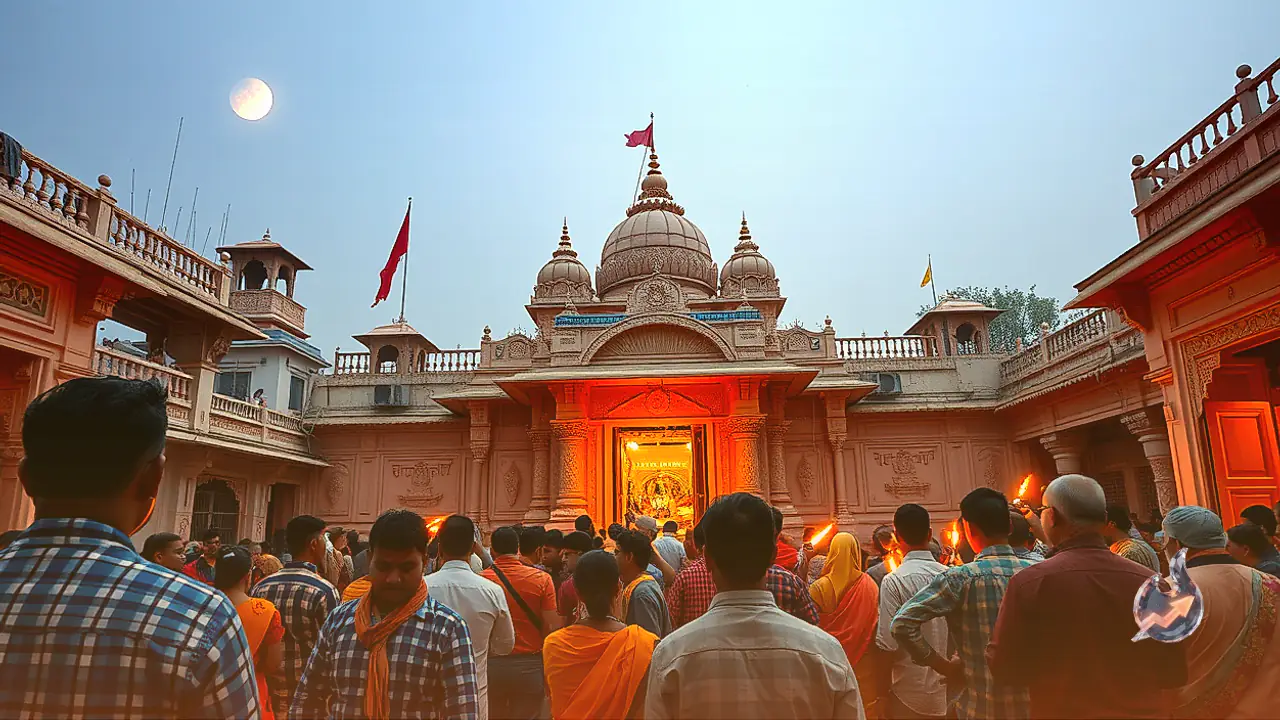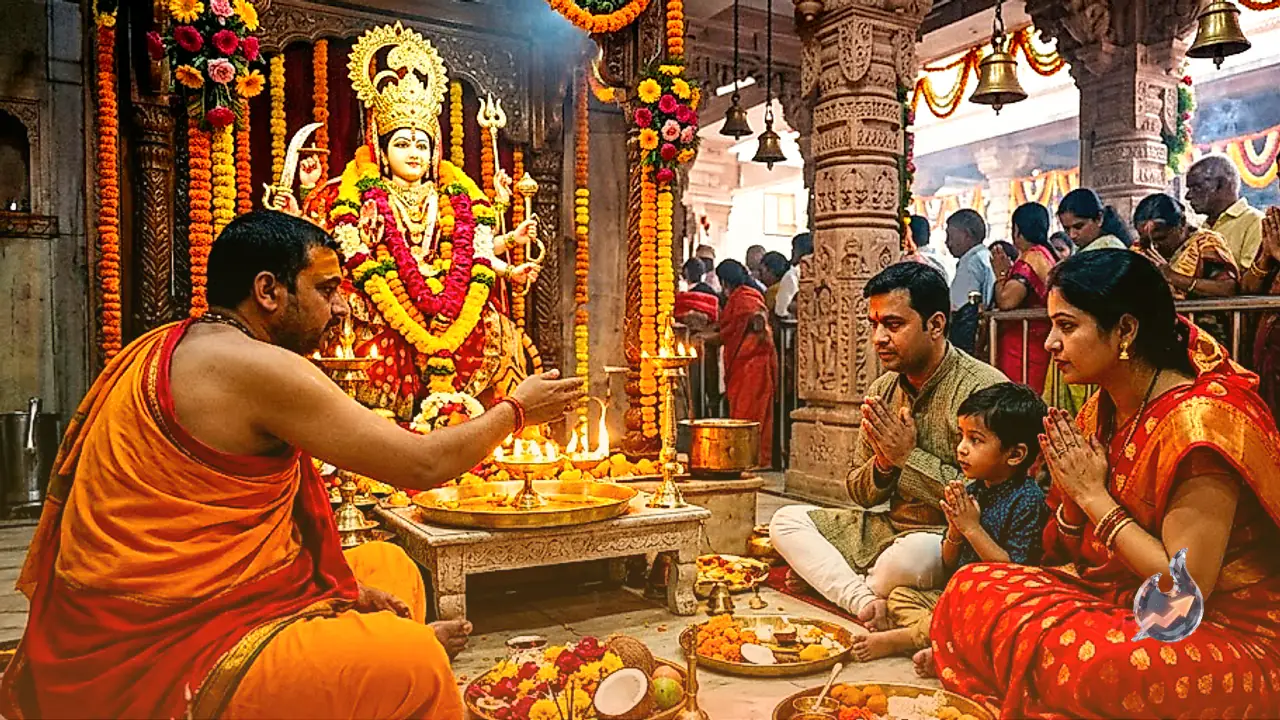


















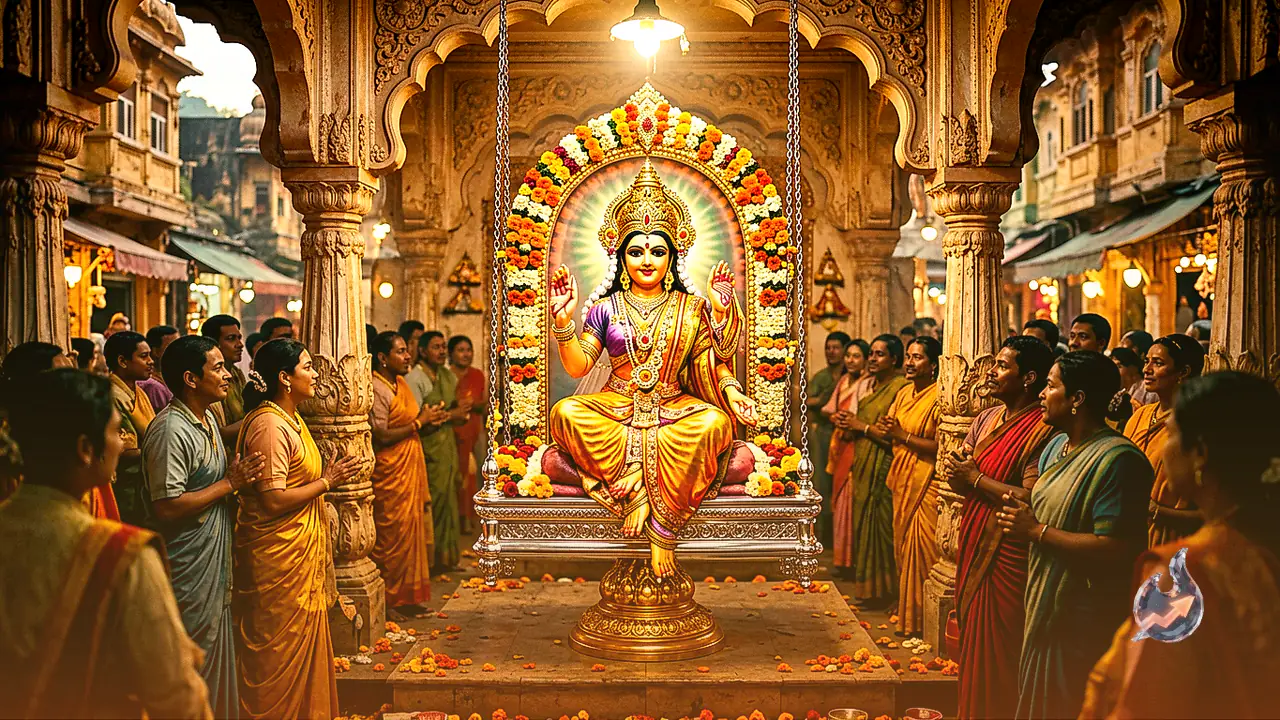
The ancient and deep-rooted religious traditions of Ayodhya have come alive once again with the arrival of the holy month of Sawan. The traditional Jhulan Utsav dedicated to Ramlala officially began on Monday inside the sanctum sanctorum of the Shri Ram Janmabhoomi Mandir. For this auspicious occasion, the festive idol of the Lord has been seated on a remarkably crafted swing made of gold-plated silver. A profound sense of enthusiasm is visible among devotees who are arriving to catch a glimpse of the mesmerizing form of Ramlala resting on a swing heavily decorated with fresh flowers. Throughout the duration of this festival, the entire temple complex remains immersed in an atmosphere of pure devotion and vibrant joy.
Melodies of Kajri and Devotional Chants
In the sacred presence of the deity inside the sanctum, devotees expressed their devotion with a traditional sakhi bhav by singing soulful devotional songs and classical Kajri compositions. Amidst the melodious echoes of bhajan-kirtan and traditional tunes, worshippers caught the divine sight of Ramlala seated gracefully on the swing. The tradition of gently swinging the Lord during Sawan holds immense religious significance across the various monasteries and temples scattered throughout Ayodhya. In multiple temples across the holy city, Lord Shri Ram, Mata Sita, and other divine forms are ceremoniously placed on swings accompanied by elaborate worship rituals.
Ancient Traditions and Festive Adornment
Inside the Shri Ram Janmabhoomi Mandir as well, the ongoing tradition of adorning Ramlala in specialized daily garments and fine jewelry while offering the swing ritual is being strictly maintained throughout Sawan. According to local saints and scholars, ancient beliefs surrounding the birth of Lord Ram also contain notable references to the Jhulan Utsav. Religious lore dictates that roughly four months after the birth of Lord Shri Ram, Mata Kaushalya along with the other queens of King Dasharatha lovingly swung Ramlala and his brothers.
During those times, traditional Kajri songs of Sawan were joyfully sung. Over the course of time, this very practice evolved into an indispensable component of Ayodhya's rich calendar of religious festivities. According to temple administration representatives, elaborate decorations have been carried out across the sanctum sanctorum and the broader temple complex specifically for the Jhulan Utsav. The swing has been embellished with intricate floral arrangements to enhance its visual appeal. Since early morning, worshippers have been arriving continuously to witness the swing darshan of Ramlala and express their unwavering faith through collective hymns and prayers.
Special Attraction at Sheshavatar Temple on Nag Panchami
In a continuation of these festive celebrations, the darshan and photographs of Lord Lakshmana at Ayodhya's historic Sheshavatar Temple on the occasion of Nag Panchami have emerged as a major center of attraction for visiting pilgrims. According to Hindu religious tenets, Lord Lakshmana is revered as the divine incarnation of Seshanag. The Sawan Jhula festival in the holy city of Ayodhya stands not merely as a routine religious observance, but as a living manifestation of the region's ancient cultural and devotional heritage.