
















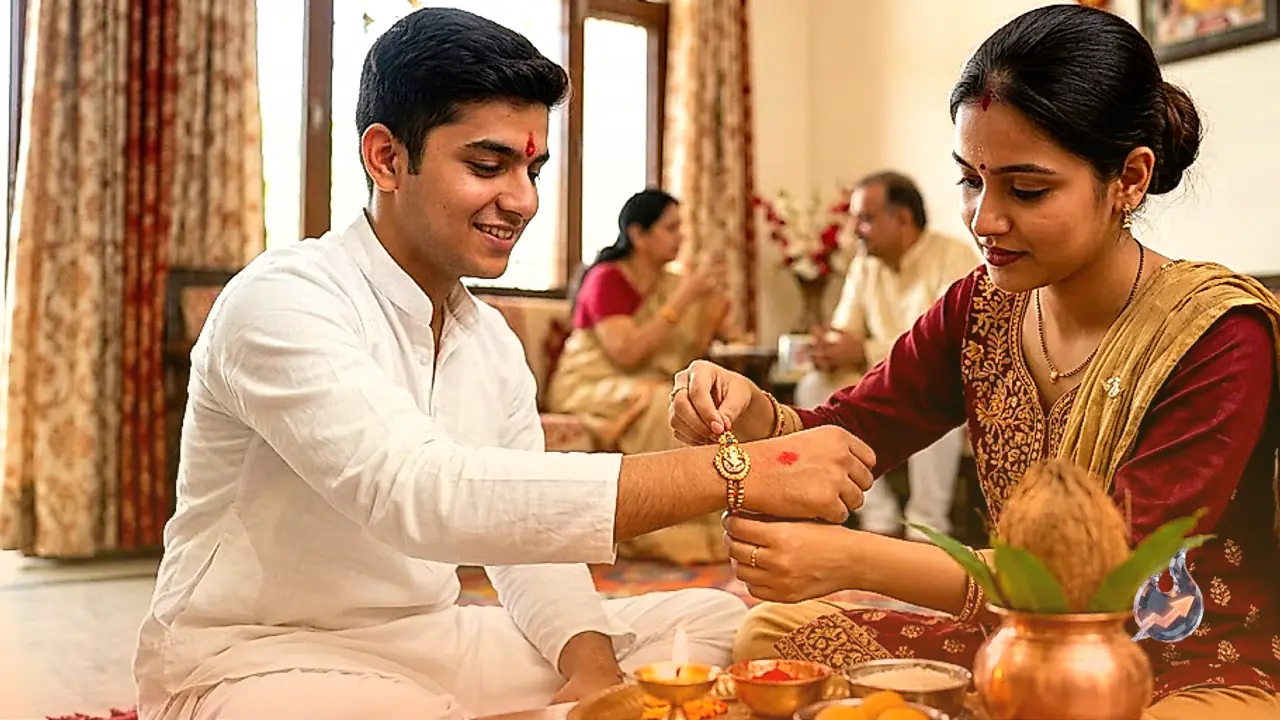

Raksha Bandhan is one of the most cherished festivals symbolizing the profound bond of love, care, and mutual trust between brothers and sisters. On this auspicious day, sisters tie a sacred thread known as Rakhi around their brother's right wrist, praying for his happiness, health, prosperity, and longevity. In return, the brother presents gifts and takes a solemn vow to protect his sister throughout her life. In 2026, Raksha Bandhan will be celebrated on August 28, 2026. Following the auspicious timings and traditional rituals is considered vital to receive the divine blessings of this festival.
Raksha Bandhan 2026 Shubh Muhurat and Timings
According to the Vedic calendar, the Purnima Tithi (full moon day) holds immense significance for Raksha Bandhan. In 2026, the Purnima Tithi begins at 09:08 AM on August 27, 2026, and concludes at 09:48 AM on August 28, 2026. As per Udaya Tithi traditions, the festival will be observed on August 28, 2026. The auspicious timing (Shubh Muhurat) for tying Rakhi on August 28, 2026, is between 05:57 AM and 09:48 AM. Sisters are advised to complete the ritual within this specific morning window.
Step-by-Step Rituals for Tying Rakhi
To perform the Raksha Bandhan ceremony with proper reverence, follow these step-by-step guidelines
- Wake up early during morning hours, take a bath, and dress in clean attire.
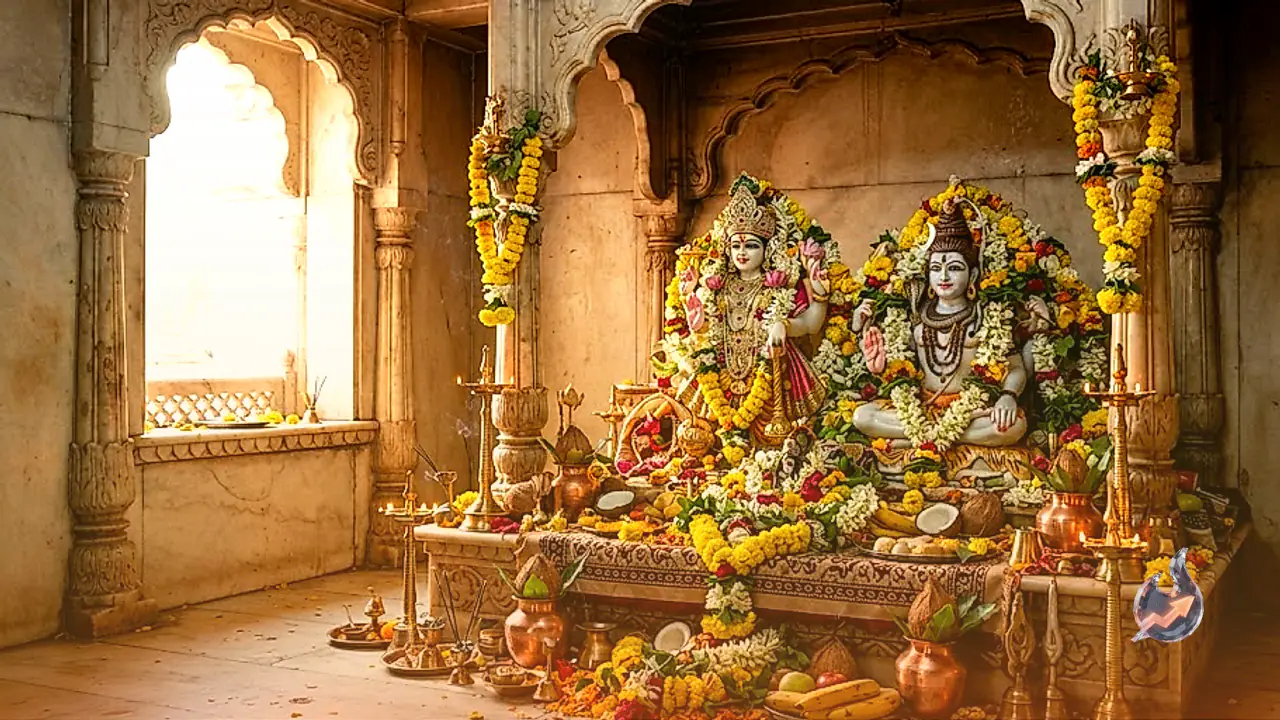
- Invoke the blessings of Lord Ganesha, Lord Vishnu, and your family deity (Kuldevta).
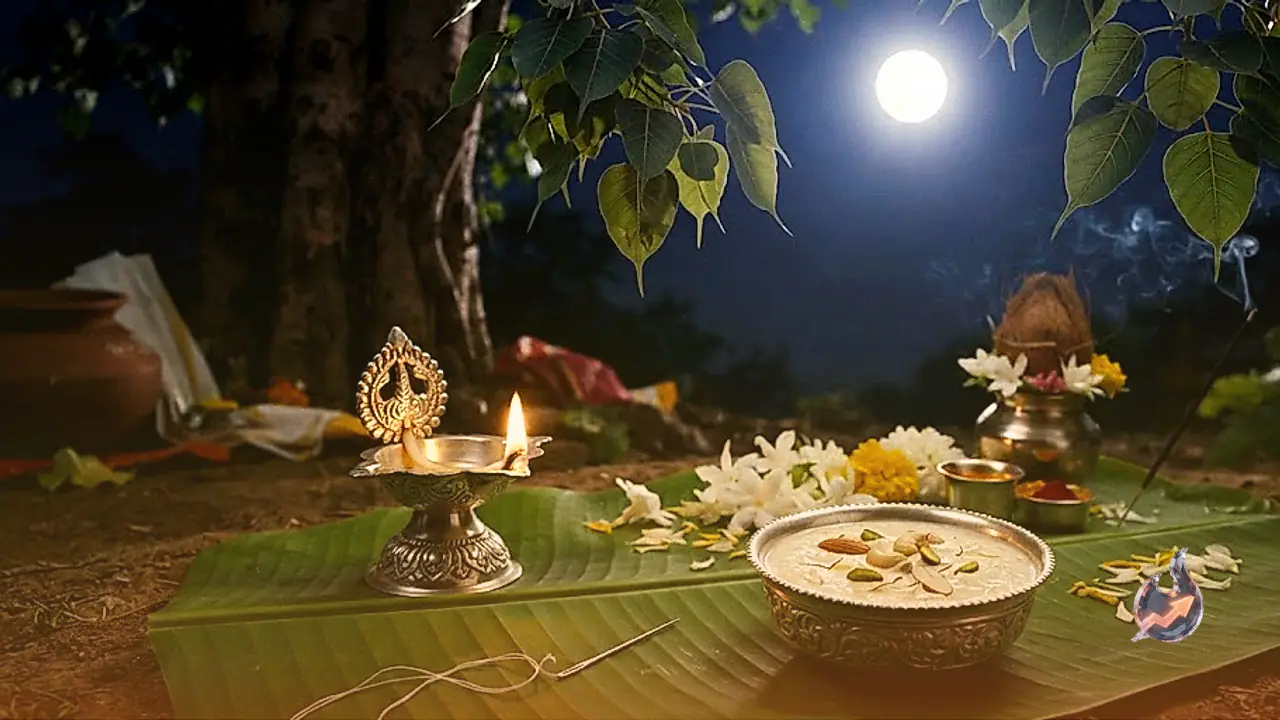
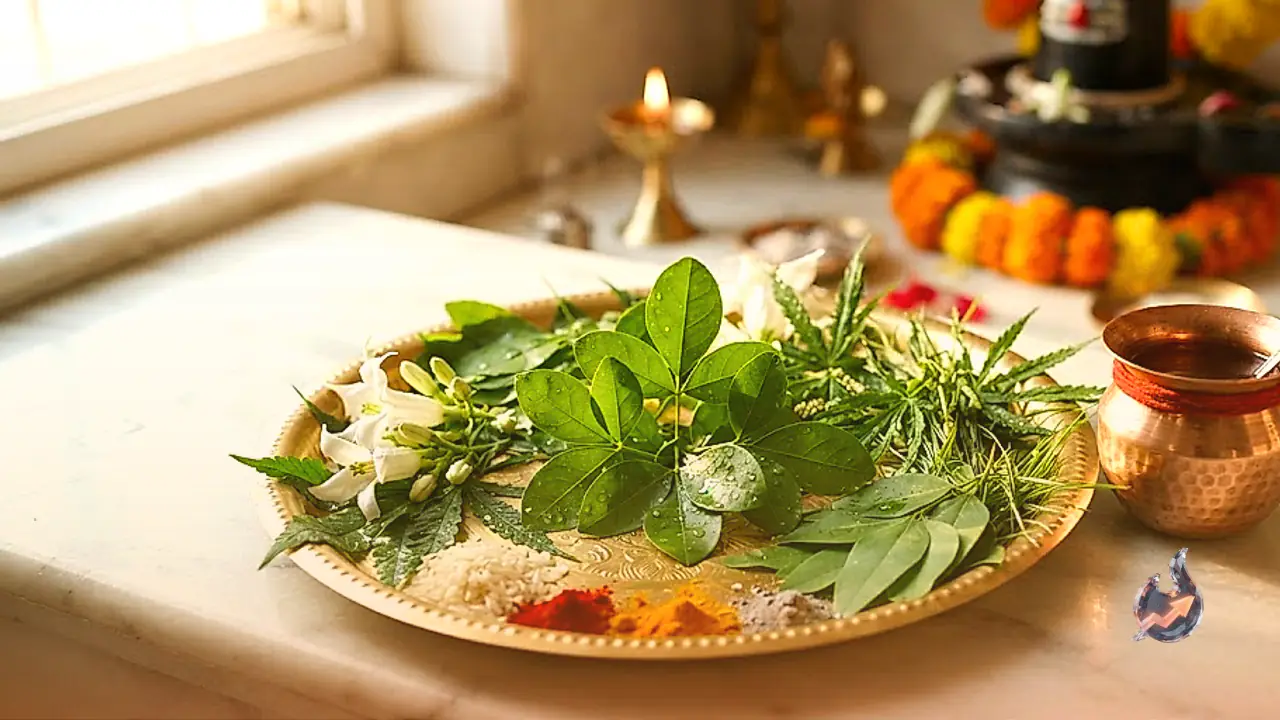
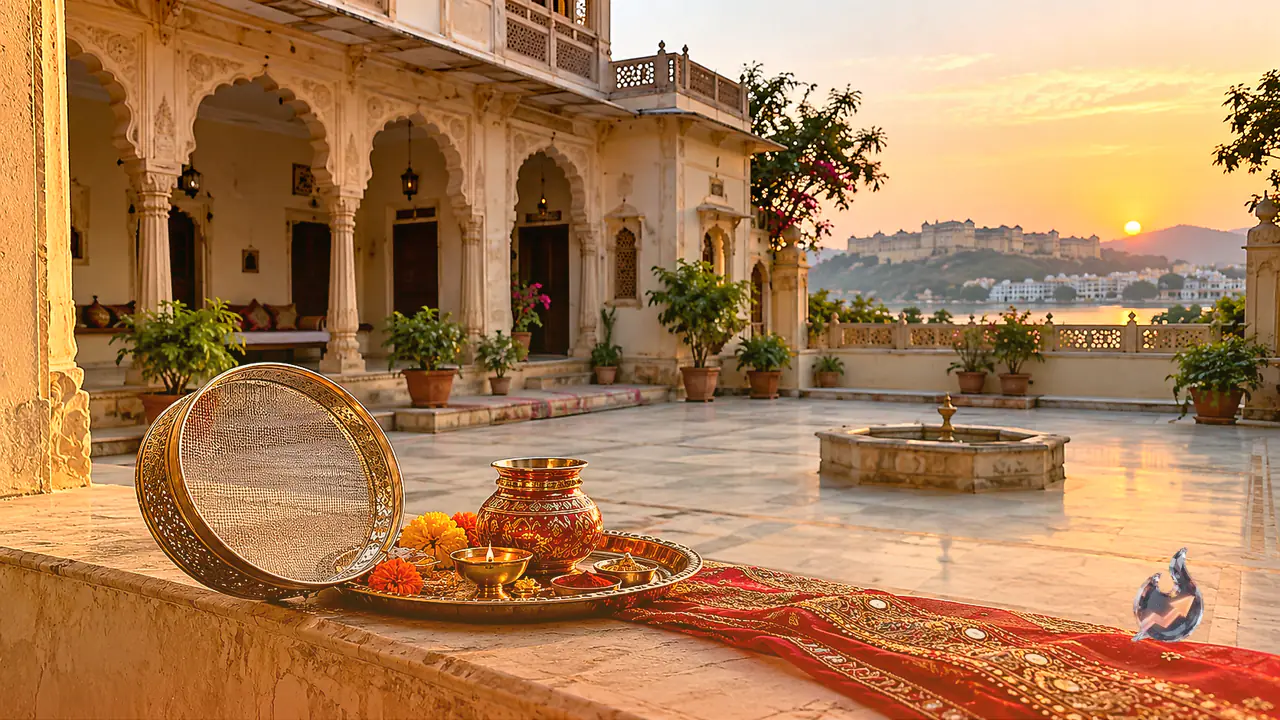
- Prepare a worship platter (Pooja Thali) containing roli (vermilion), akshat (unbroken rice grains), a lit lamp (diya), sweets, and the rakhi.
- Seat your brother facing either the East or North direction.
- Apply a auspicious tilak of roli and akshat on his forehead.
- Perform an aarti using the lit lamp to bless him.
- Tie the rakhi affectionately around his right wrist.
- Offer sweets to your brother and pray for his success, health, and prosperity.
Sacred Protective Mantra to Recite
Reciting a sacred protective mantra while tying the thread is believed to enhance its spiritual efficacy. Chant the following mantra during the ceremony
Yena Baddho Bali Raja Danavendro Mahabalah, Tena Tvam Anubadhnami Rakshe Ma Chala Ma Chala
Key Rules: What to Do and Avoid on Raksha Bandhan
Observing specific spiritual practices ensures the sanctity of the festival
- Pay close attention to Bhadra Kaal and strictly avoid tying Rakhi during Bhadra period.
- Never tie a Rakhi without first performing prayers and offering worship.
- Refrain from harboring anger, ill will, or negative thoughts during the ceremony.
- Offer dedicated prayers to Lord Vishnu and Lord Ganesha on this occasion.
- Pray with a sincere heart for your brother's long and fulfilling life.
Guidelines for Selecting the Ideal Rakhi
Keep these guidelines in mind when choosing a Rakhi for your brother
- Avoid purchasing or tying a black-colored Rakhi.
- Do not tie a damaged or broken (khandit) Rakhi.
- Opt for Rakhis crafted from natural threads.
Mythological Origin and Significance of Raksha Bandhan
The origins of Raksha Bandhan are deeply rooted in ancient scriptures. According to legend, when Lord Krishna used his Sudarshan Chakra to end Shishupala, his finger was injured and began to bleed. Seeing this, Draupadi immediately tore a strip from her saree and tied it around Lord Krishna's finger to stop the bleeding. This event took place on the Purnima of Shravana month. According to tradition, this act laid the foundation for celebrating Raksha Bandhan. Later, during the assembly of Kauravas when Draupadi faced Cheer Haran, Lord Krishna honored this sacred bond by protecting her dignity.