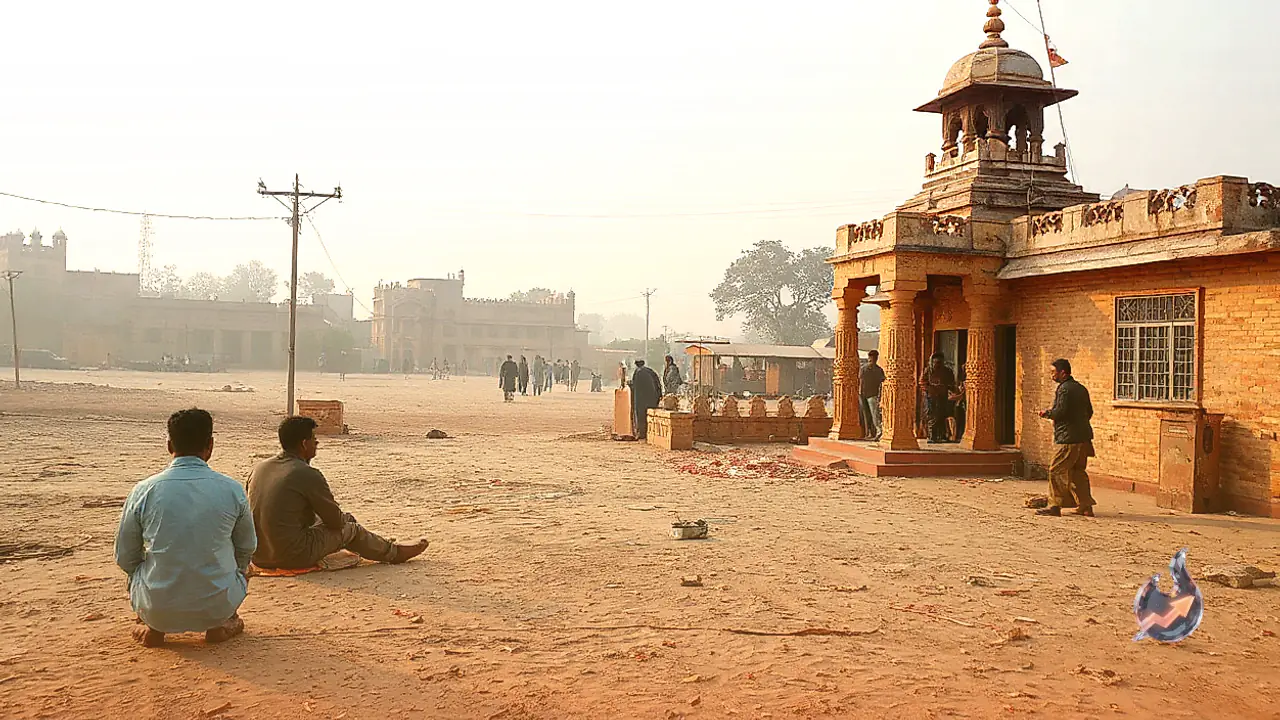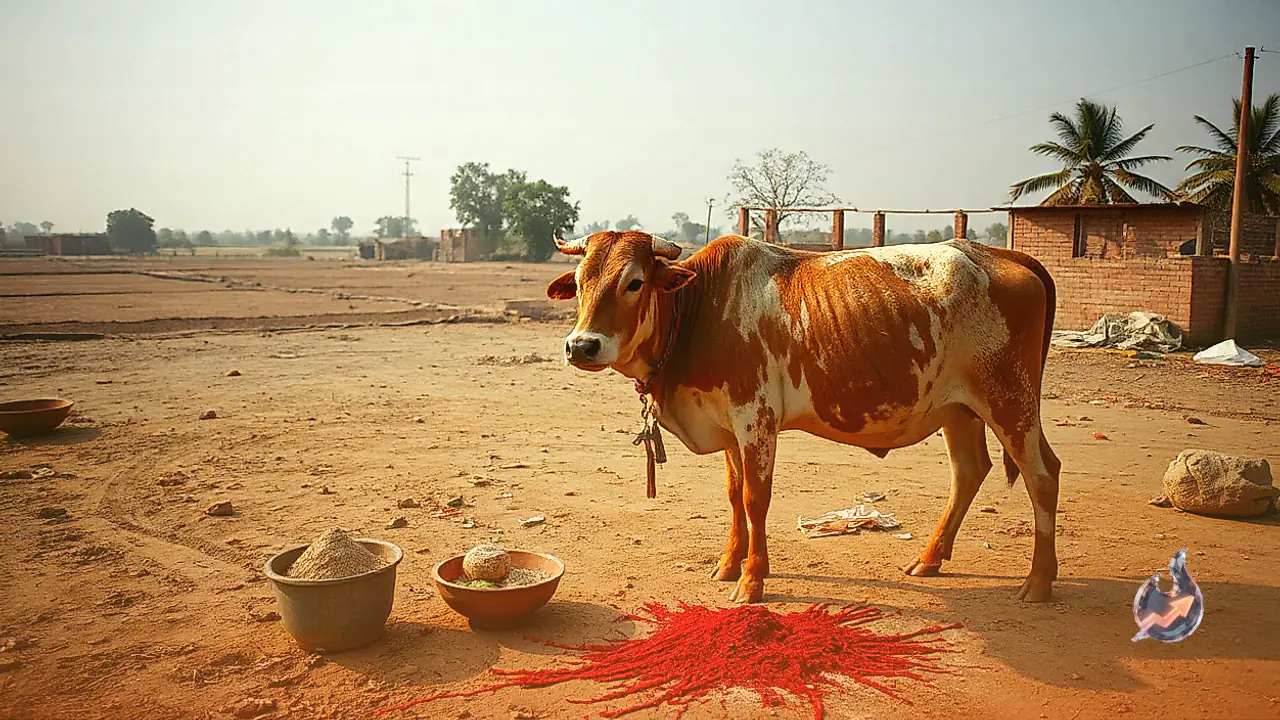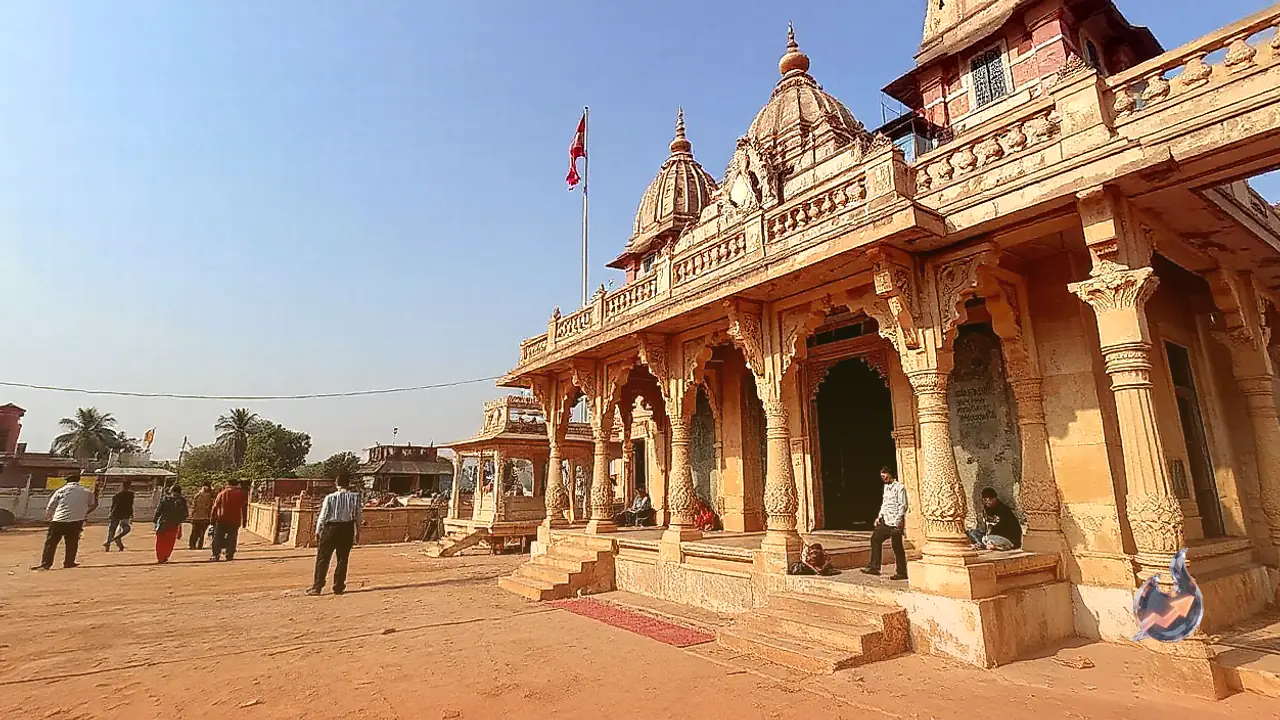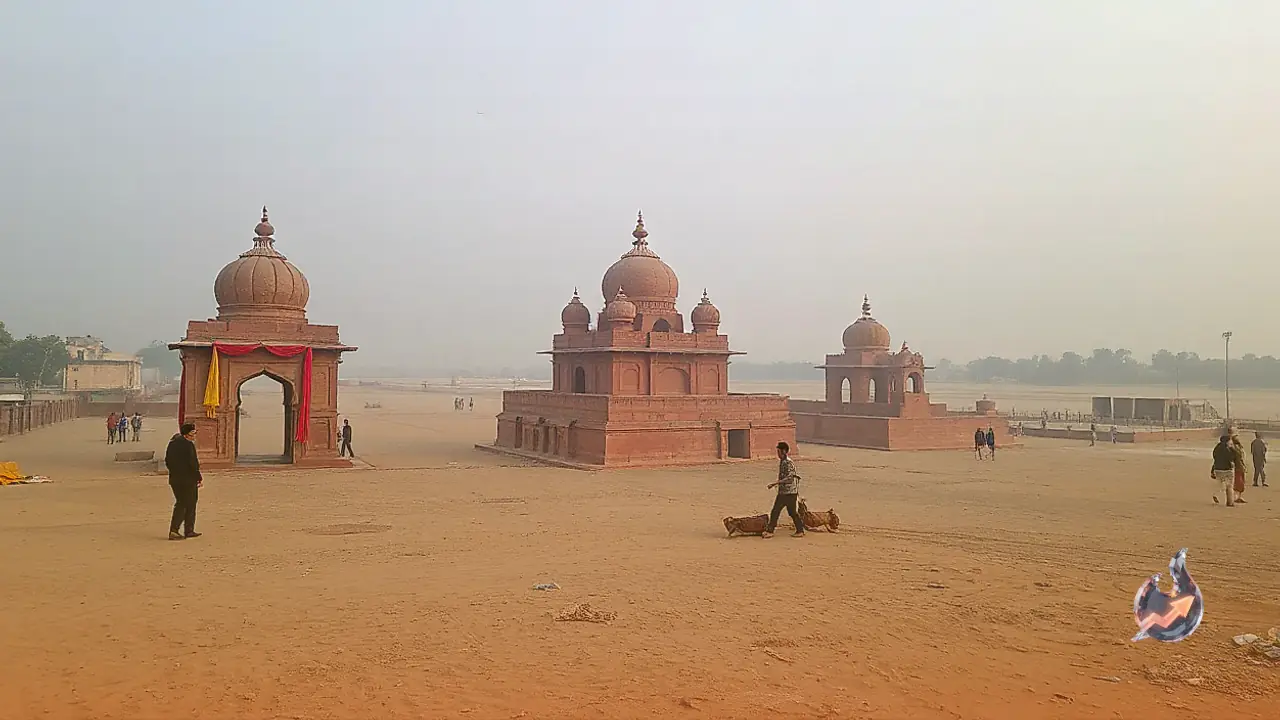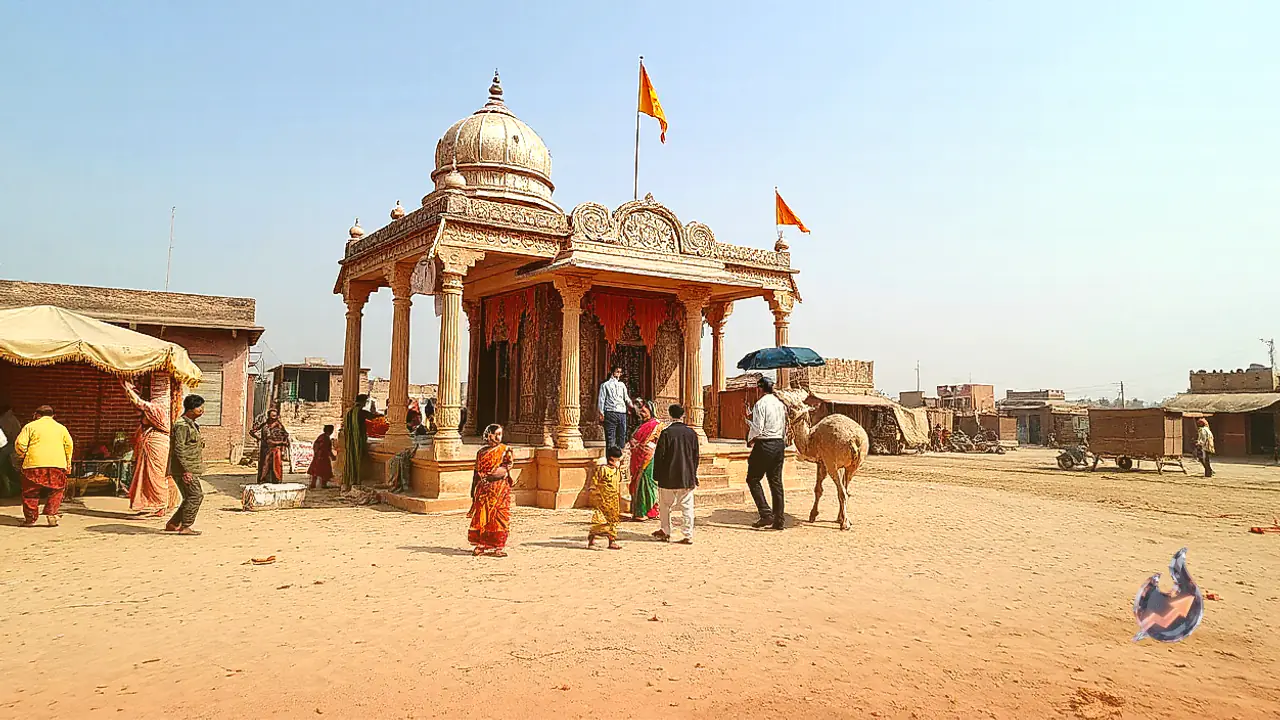
















While the festive glow of Diwali is conventionally marked by the arrival of Dhanteras, the sacred calendar sets an important devotional observance a day prior known as Govatsa Dwadashi. Across numerous regions, this spiritual occasion is reverently celebrated under the names of Vasu Baras, Bach Baras, and Nandini Vrat. Central to the festival is the adoration and worship of cows alongside their calves, demonstrating reverence toward maternal nurturing and domestic cattle. A similar tradition named Bach Baras is celebrated in several parts of the country roughly two months before Govatsa Dwadashi, also centering on the veneration of cows and calves. However, this observance right before the festival of lights holds deep personal and spiritual importance for families.
Observance Date and Tithi Timings for 2026
According to the traditional calendar, Govatsa Dwadashi, commonly called Vasu Baras, will be observed on November 5, 2026. The Dwadashi tithi is scheduled to commence at 10:35 AM on November 5 and will remain in effect until 10:30 AM on November 6, 2026. Because the evening rituals and traditional Pradosh period align with this timeline, devotees will observe the complete fast and ceremonial rites on November 5. Maintaining adherence to these accurate calendar hours ensures that observers fulfill the devotional requirements prescribed by ancient custom.
Auspicious Evening Muhurat for Puja
Ceremonial offerings for Govatsa Dwadashi are traditionally conducted during twilight hours. For 2026, the most auspicious window for performing the rituals opens at 05:33 PM in the evening and concludes at 08:10 PM at night. This provides observers with a dedicated interval of 2 hours and 37 minutes to conduct the worship peacefully. Performing the sacred rituals within this precise bracket is believed to maximize the spiritual benefits of the observance.
Step-by-Step Puja Rituals for Devotees
Women observing the fast begin their day early in the morning by taking a purifying bath and taking a solemn vow for the welfare of their family. The traditional sequence of rites is then carried out with dedicated steps
- If a cow and calf are present in the household, they should be bathed cleanly and adorned respectfully.
- Households without direct access to cattle can worship an idol or clean depiction of a cow and calf, decorating it with flowers and adornments.
- Apply sacred turmeric and kumkum on the foreheads of the cow and calf, following up with offerings of roli, unbroken rice grains, fresh fruits, sweets, naivedya, incense, and lighted lamps.
- After completing the initial worship, feed the animals sweet fodder, jaggery, and roasted or soaked grams with reverence.
- Devotees maintain their fast throughout the day, spending their hours in service and devotion.
- During the evening muhurat, gather again to perform formal worship and listen attentively to the traditional narrative of Govatsa Dwadashi.
- Following the completion of the evening worship and devotional storytelling, observers may partake in their evening meal.
Significance and Key Dietary Prohibitions
Tradition holds that observing the Govatsa Dwadashi fast blesses children with prosperity, happiness, and an extended lifespan. Mothers observe this solemn vow primarily to pray for the advancement and physical protection of their offspring. The festival also incorporates prayers dedicated to the deity Vasu, regarded as the presiding lord of wealth, which gives the celebration its alternate name of Vasu Baras. Because the day is regarded as a period of rest for cows, a strict dietary rule applies: the consumption of cow milk and any dairy derivatives prepared from it is completely forbidden. Devotees refrain entirely from curd, butter, clarified butter, and milk sweets sourced from cows during the observance, choosing alternative foods instead.