





















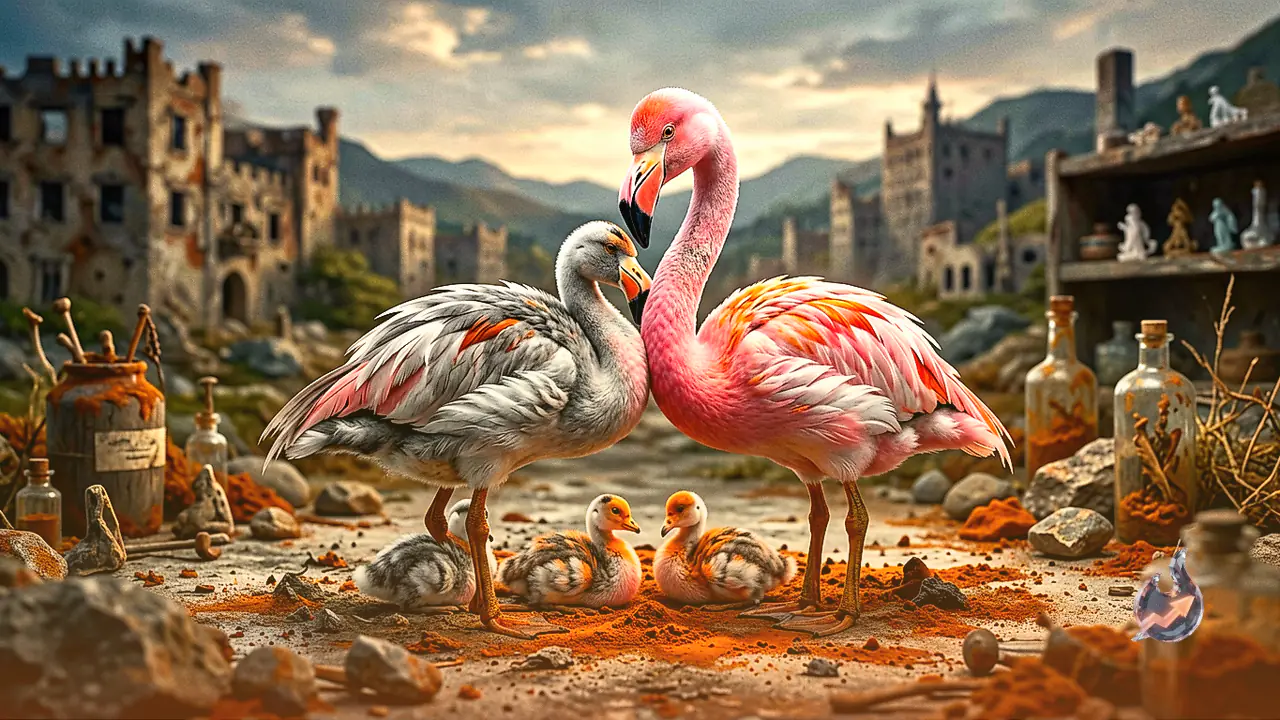

Flamingos are widely regarded as some of the most striking birds on the planet, instantly recognizable by their long slender legs, curved beaks, and brilliant pink plumage. While standing gracefully in shallow waters, these birds present a breathtaking natural sight. However, contrary to popular belief, flamingos do not possess this famous pink coloration from birth. Science reveals that when flamingo chicks hatch, they carry no pink feathers at all. The vibrant salmon and rose shades that define their adult appearance are entirely the result of their daily diet and specialized eating habits in the wild.
The Key Role of Carotenoid Pigments
The secret behind the vivid pink and orange tones in a flamingo's appearance lies in natural organic pigments known as carotenoids. These specialized pigments are found in abundance within microscopic algae, aquatic plants, and small crustaceans that thrive in saline lakes and wetland environments. As flamingos filter water in search of food, they ingest substantial quantities of these pigment-rich organisms. During the digestive process, enzymes break down the food, allowing the bird's body to absorb the carotenoid compounds into fat reserves, skin tissues, and eventually the growing feather follicles, gradually altering their outward shade.
Transition From Grey Chicks to Pink Adults
When flamingo chicks first break out of their eggs, they are covered in soft down feathers that are light grey or white-grey in appearance. At this stage, their diet consists primarily of crop milk produced by their parents, which lacks the concentrated pigments needed for coloration. As young flamingos mature and begin foraging independently for carotenoid rich algae and small aquatic life, their physiology begins to change. Over time, as old grey feathers molt away, new feathers grow in carrying the rich pink tones accumulated from their food intake, completing a remarkable color transformation.
Why Color Intensity Varies Between Birds
Observing a flock of flamingos reveals a wide spectrum of visual shades, ranging from soft pale pink to intense deep orange. This variation in color intensity is directly linked to the volume and specific types of carotenoids present in each bird's daily food intake. Beyond dietary differences, factors such as the bird's age, overall metabolic health, and stored fat levels play a significant role in how vividly the pigments manifest. Consequently, a flamingo with a paler pink shade is not necessarily unhealthy; it may simply have consumed a different balance of aquatic nutrients.
Maintaining Dietary Balance in Zoo Environments
If flamingos experience a drop in carotenoid intake, the vibrant pink color of their feathers will begin to fade over time. For this reason, zoological parks and wildlife sanctuaries pay meticulous attention to the nutritional plans of captive birds. Animal care specialists formulate customized diets that carefully replicate the nutrient composition of natural wetland habitats. By incorporating essential carotenoid nutrients into their feeding routines, sanctuaries ensure that captive flamingos maintain both their physiological health and their signature colorful feathers.