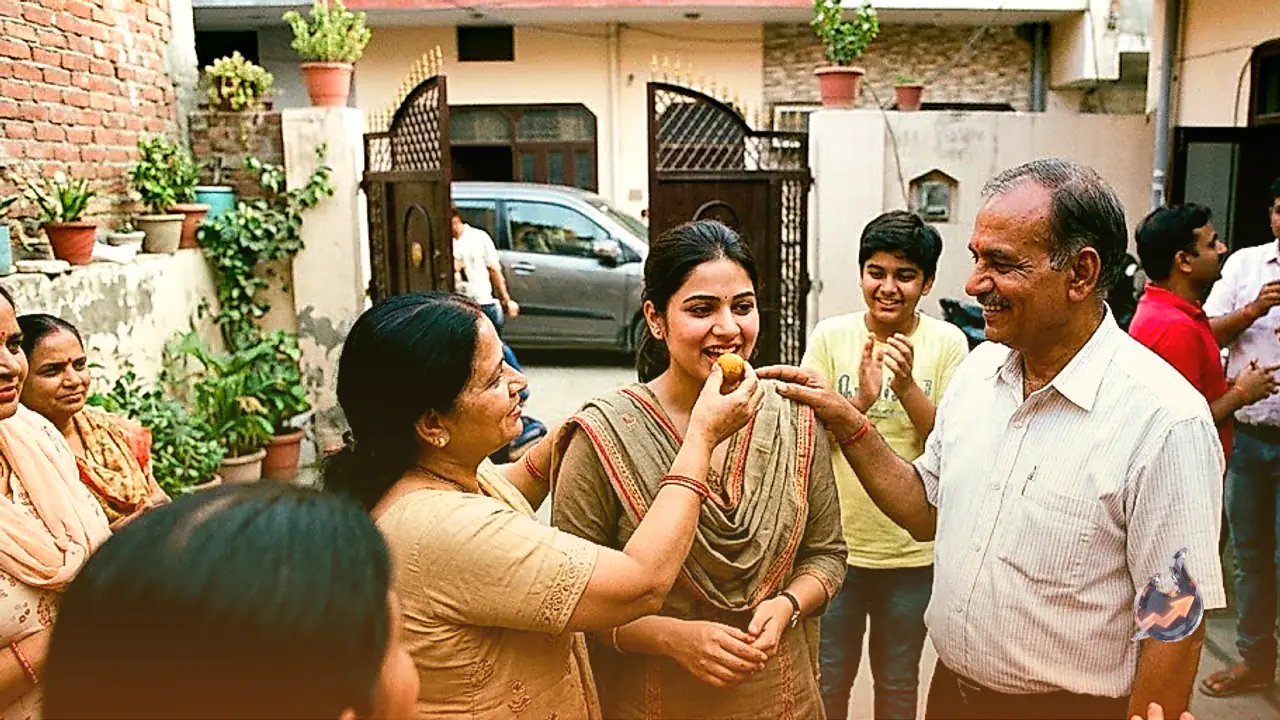




















At a stage of life when most individuals prepare to step back from professional responsibilities and settle into retirement, 62-year-old Sanjukta Das from Jagatsinghpur, Odisha, chose an entirely different path. Venturing into animal husbandry with an initial outlay of just ₹10,000, she has steadily built an enterprise that now generates an annual turnover of ₹11 lakh. Her commercial reach has extended well beyond state lines, supplying livestock and products to major commercial centres including Mumbai, Kolkata, and Goa.
Foundational Years in Grassroots Collectives
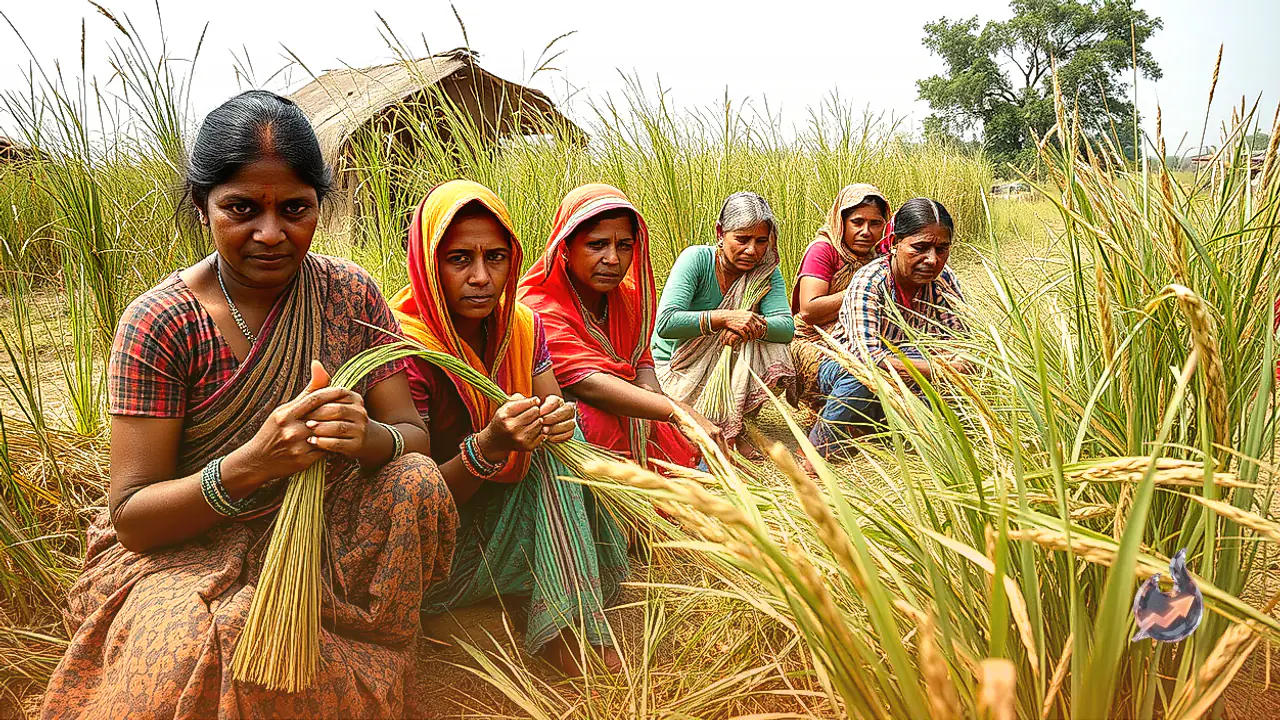
Sanjukta's transition to a commercial agri-business operator followed decades of community-level experience. In the year 2000, she brought together 10 women to establish the Harparvati Self-Help Group. Serving as the secretary of the collective, she undertook a diverse portfolio of community services and micro-enterprises, including running a public distribution fair price shop, preparing mid-day meals for schools, and manufacturing household goods such as agarbatti, papad, and badi. While these products found buyers at regional exhibitions and trade fairs, the resulting income remained inconsistent and modest, prompting her to search for an enterprise capable of sustaining cash flow throughout the year.
Scaling the Commercial Piggery Venture
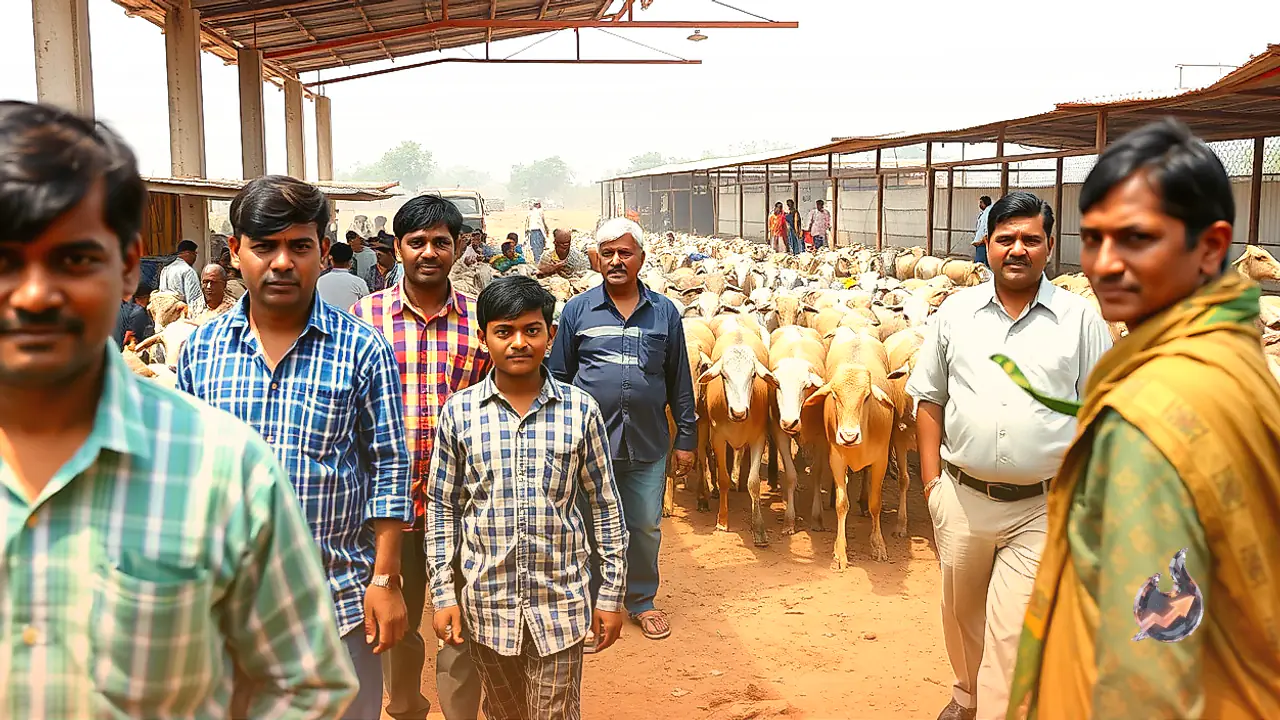
Guided by that objective, Sanjukta took a decisive calculated step in 2024 by committing ₹10,000 to initiate pig farming alongside dairy operations. Through structured operational practices and disciplined care, the modest venture quickly developed into a productive commercial enterprise. Today, her facility sells between 40 and 50 pigs each year. Depending on individual size and weight, each animal commands a market price ranging from ₹18,000 to ₹20,000. Her distribution channel operates across state borders, sending livestock directly to buyers in Andhra Pradesh, Mumbai, Goa, and Kolkata.
Dairy Integration and Community Impact
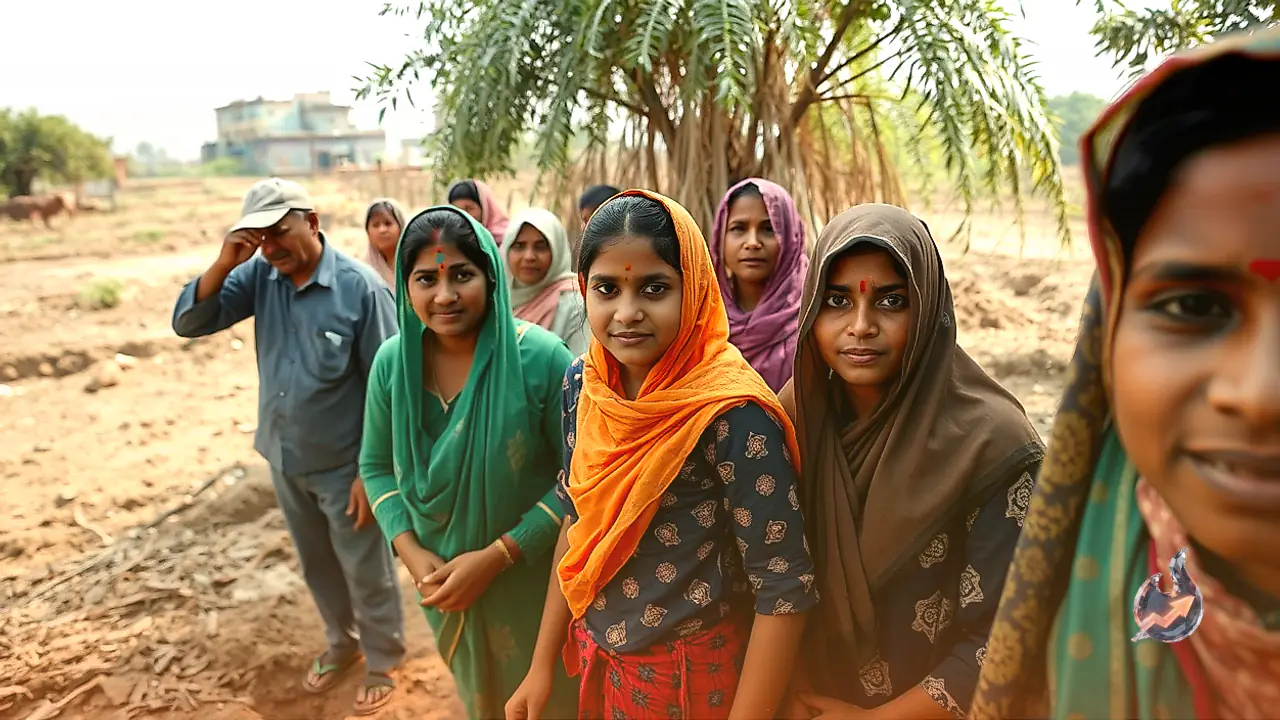
Alongside the livestock trade, the farm's integrated dairy division has become a dependable supplier for the local rural economy. The unit generates approximately 150 litres of fresh milk daily. Rather than directing all output strictly to retail buyers, Sanjukta supplies neighbouring women's collectives at discounted rates. The Mahalakshmi Self-Help Group purchases between 100 and 120 litres of milk daily from her facility to operate its own milk collection centre, creating a steady stream of secondary income for dozens of rural women in the community.
Capital Allocation and Local Employment
Sanjukta scaled the operation through structured capital investment rather than relying solely on retained revenue. Total expenditure on the facility has reached approximately ₹10.95 lakh, comprising a ₹3.95 lakh bank loan, ₹1 lakh drawn from her personal savings, and ₹6 lakh directed toward building farm infrastructure. Beyond personal commercial success, the initiative has generated direct rural employment, with five workers, including two women, currently employed on a permanent basis at the facility.