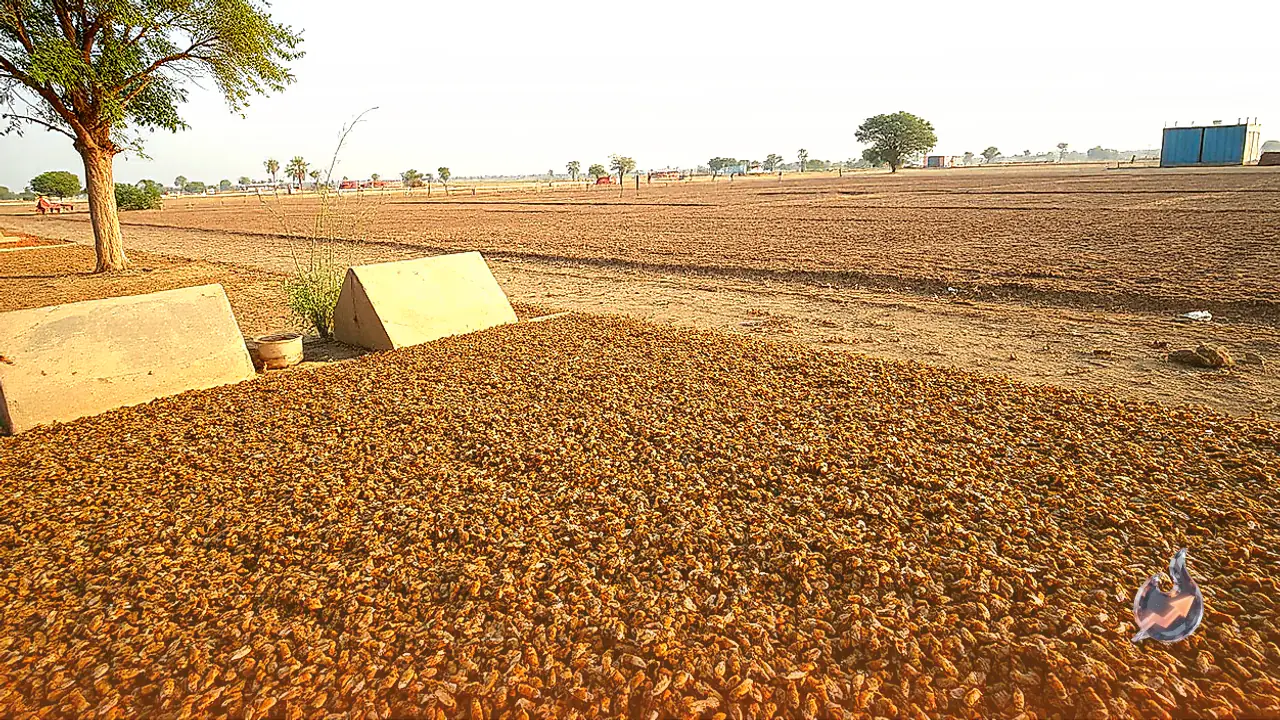























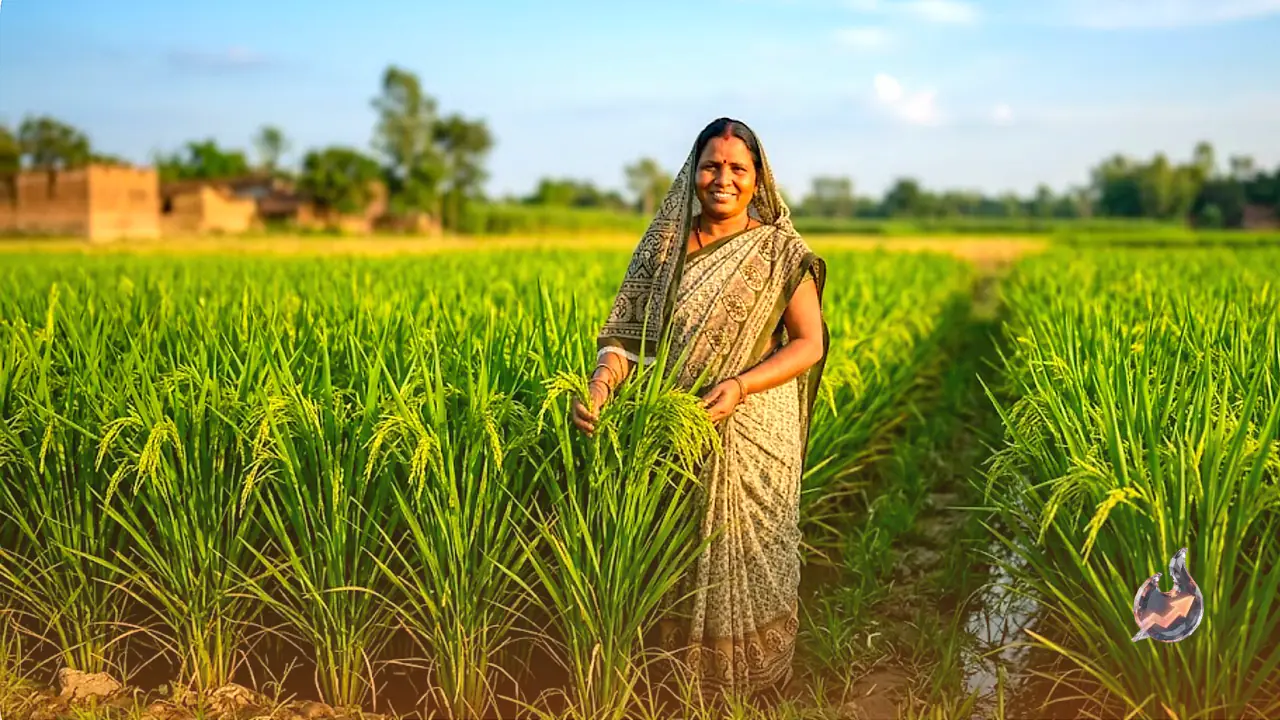

Farmers in the Gonda district of Uttar Pradesh are steadily transitioning from traditional agricultural practices to modern, scientific techniques. Leading this change from the front is a progressive local woman farmer named Girija Devi. She is preparing a paddy nursery using the SRI (System of Rice Intensification) method. This technique is widely considered highly profitable for paddy cultivation because it yields a superior harvest while requiring minimal seeds, less water, and lower financial investment.
Understanding the SRI Method and Its Cost-Effectiveness
While speaking with TrendKia, progressive farmer Girija Devi shared that she previously used to prepare her paddy nursery using traditional methods. That conventional process required a substantial quantity of seeds and incurred high overall expenditures. However, seeking to optimize her farm, she consulted with the local Agriculture Department and the Pani Sansthan. Following their professional guidance, she decided to adopt the SRI method. This technique drastically lowers the volume of seeds needed to prepare the nursery, immediately bringing down the initial cultivation expenses for farmers.
Planting Younger Saplings with Lower Water Requirements
Explaining the technical nuances, Girija Devi noted that the defining feature of the SRI method is the transplantation of younger saplings. Furthermore, a precise and adequate physical distance is maintained between the transplanted plants in the field. This spacing ensures that each plant receives sufficient space, aeration, and nourishment to grow. Consequently, the root systems of these plants become exceptionally strong and robust. According to Girija Devi, transplanting via this method allows the crops to grow rapidly, and the water requirement is significantly less compared to traditional flooded-field farming, thereby slashing irrigation bills.
Bumper Production and Resource Optimization
According to Girija Devi's experience, the SRI technique is proving to be a game-changer in boosting rice production. Despite utilizing fewer seeds initially, the plants produce a higher number of tillers, which directly leads to a bumper harvest. Additionally, the strategic spacing makes weed management and the efficient application of soil nutrients far easier. Amid rising agricultural input costs, the SRI method is emerging as a highly viable alternative for farmers. It not only increases productivity but also conserves water and resources, making rice farming a much more profitable endeavor.