





















A major infrastructure push is taking shape in southern India as the 464 km Chennai-Madurai economic corridor, designated as EC-19, moves forward to reshape commercial transit across Tamil Nadu. When freight trucks carrying apparel, automotive components, or processed foods travel between Chennai and Madurai, an efficient highway route directly dictates how quickly and cost-effectively those goods reach consumer hubs and shipping channels. Rather than merely connecting two prominent urban centers, the route is designed to build a unified logistics spine linking manufacturing facilities to primary markets and sea terminals. Identified as a strategic link under the central Bharatmala project, this corridor is poised to become a vital economic lifeline for southern districts.
Bridging Major Manufacturing and Textile Hubs
Madurai has long served as a commercial and cultural anchor in Tamil Nadu, hosting robust textile and garment factories, food processing plants, and auto-component manufacturing clusters. At the northern end, Chennai stands as a national hub for automotive production, electronics assembly, and expansive industrial parks. Creating an uninterrupted roadway between these two complementary economic powerhouses provides mutual benefits. Upgraded road infrastructure ensures factories receive raw materials with fewer delays, while finished inventories can be dispatched swiftly to regional distribution hubs, reducing logistical bottlenecks across supply chains.
Direct Access to Three Deep-Water Sea Ports
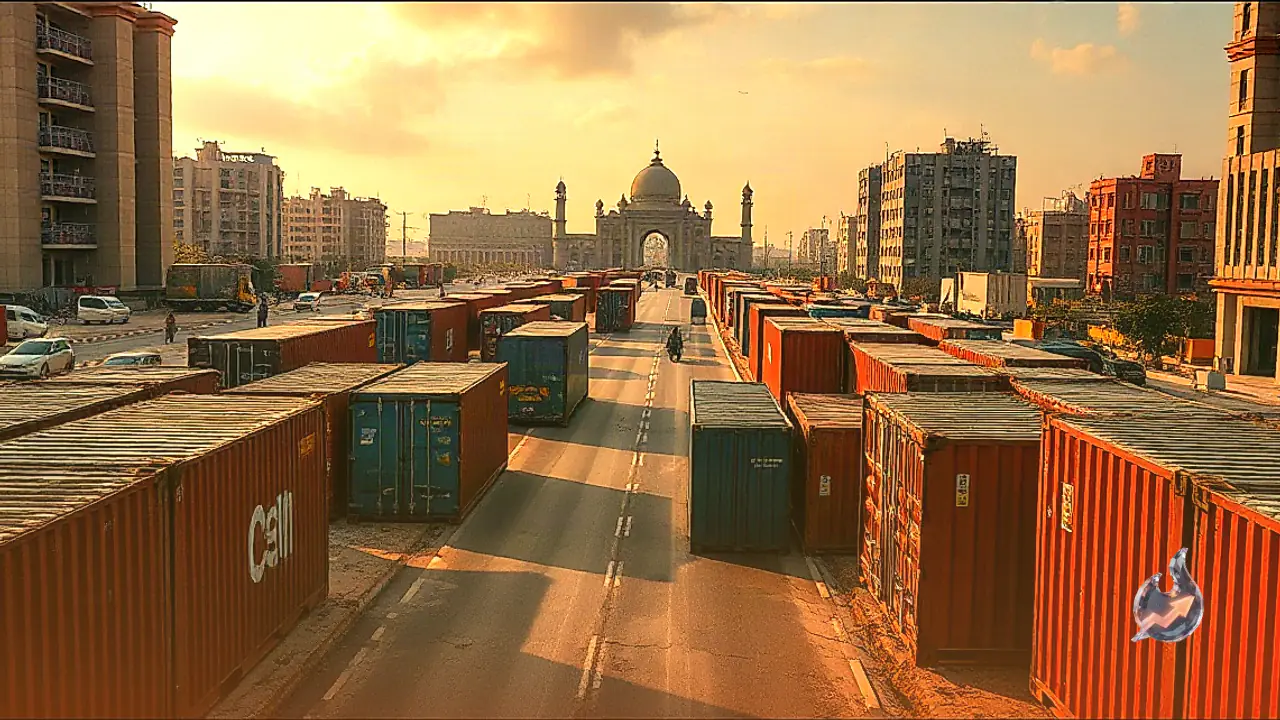
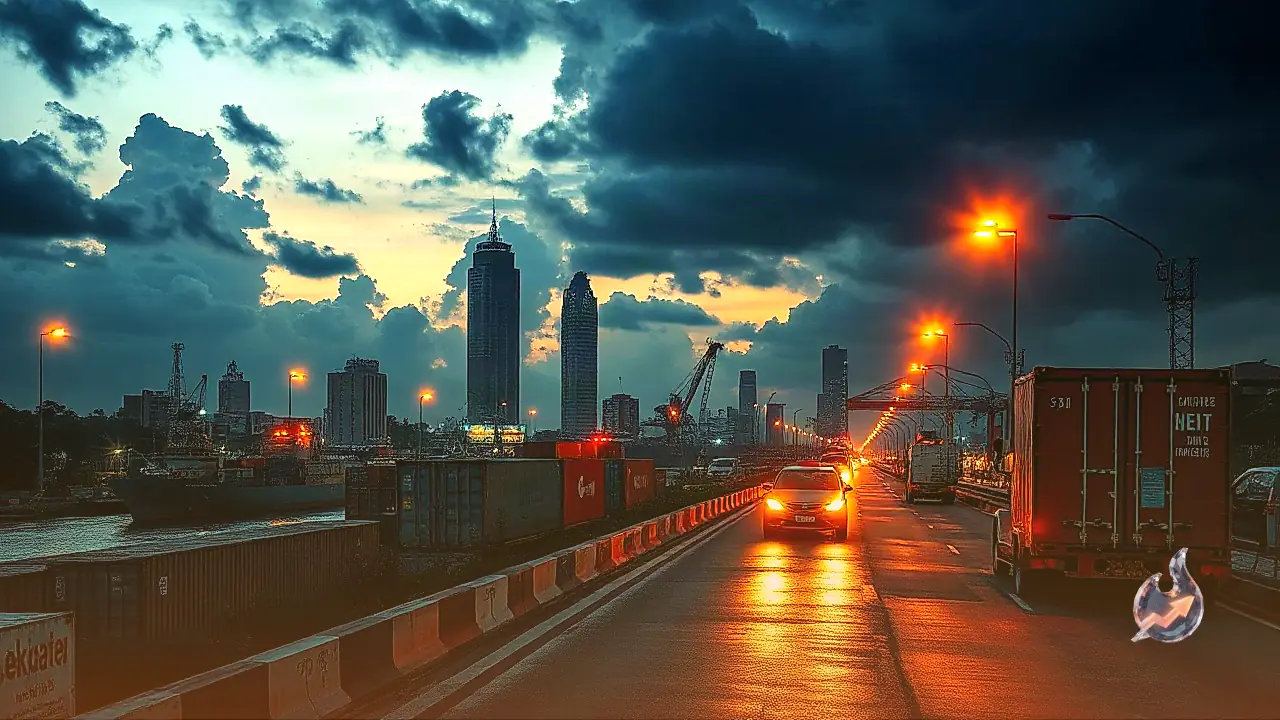
The core advantage of the EC-19 network lies in its seamless access to three pivotal maritime gateways situated in and around Chennai. In addition to the long-standing Chennai Port, the corridor connects industrial freight directly to Kamarajar Port at Ennore and Kattupalli Port. These three maritime facilities provide vital export access for interior manufacturers across southern Tamil Nadu. By linking shop floors directly to container docks via wide transit arteries, the corridor cuts transit duration, lowers overall hauling expenses, and makes regional exporters far more competitive on global shipping routes.
Spurring Local Economies and Regional Tourism
The economic footprint of such a dedicated transit corridor extends well beyond large industrial conglomerates. Intermediate towns and rural settlements situated along the 464 km stretch stand to gain from expanding logistics ecosystems, including modern warehousing facilities, cargo transfer stations, and cold storage units. These developments naturally generate local employment in transport handling, vehicle maintenance, and wayside amenities. Furthermore, improved road conditions provide faster access to Madurai as a prime heritage and cultural destination, offering an indirect commercial boost to regional hospitality and tourism operators.
Development Under Bharatmala and Implementation Milestones
Forming an integral component of the nationwide Bharatmala economic corridor grid, EC-19 incorporates both the expansion of existing national highway alignments and the construction of new bypass sections to eliminate bottleneck choke points. Large-scale linear infrastructure ventures routinely navigate procedural phases including land acquisition, environmental clearances, and right-of-way planning. Once fully commissioned, the unified Chennai-Madurai corridor will offer freight carriers a reliable, high-capacity transit corridor that significantly accelerates regional commerce and industrial growth throughout southern Tamil Nadu.