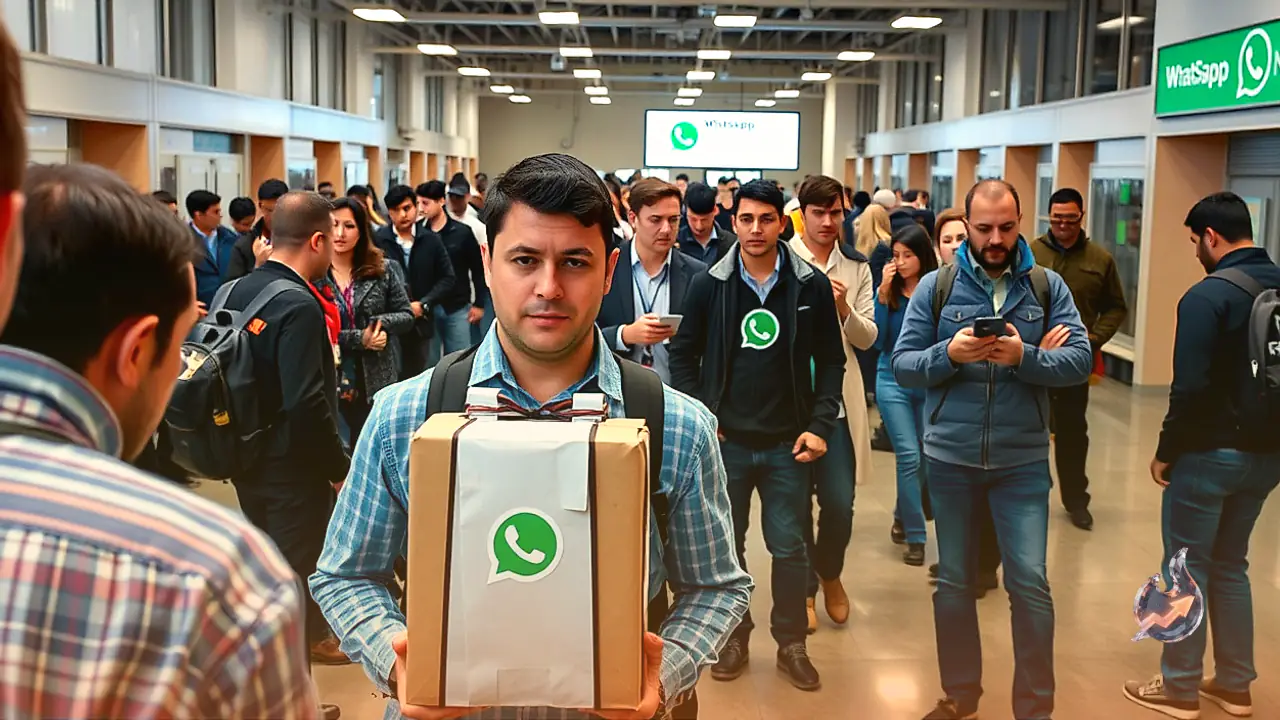




















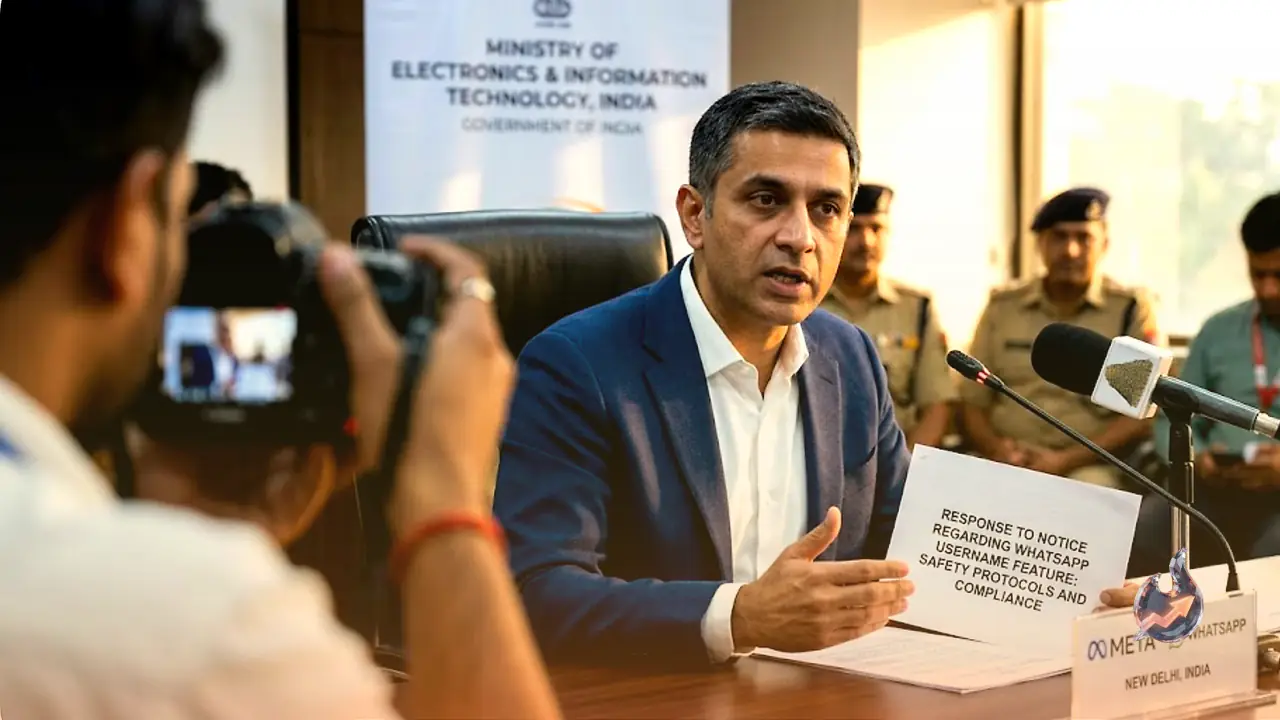

WhatsApp's upcoming username feature hasn't even launched yet, but it is already at the centre of a row. The Indian government has sent a notice to Meta, WhatsApp's parent company, asking for a response within three days. Citing security concerns, the government has said WhatsApp should not roll out the username feature until the issue is fully addressed. In response, WhatsApp said it has already built several layers of safety measures to address the government's concerns.
What triggered the row
WhatsApp recently announced that users would be able to reserve a preferred username for themselves. However, the ability to actually use that username hasn't gone live yet, and it is set to be rolled out gradually later this year. Even before the feature launches, the government fears it could be misused, which is why the notice was sent to Meta.
WhatsApp's response
A WhatsApp spokesperson said the company has already reserved the biggest and most recognisable names to guard against impersonation. This includes major public figures, government entities, celebrities and verified Meta accounts, ensuring these names can only be claimed by their genuine owners. On top of that, usernames closely resembling these well-known names have also been blocked in advance, so no one can create a lookalike name to mislead people.
The safety measures in place
WhatsApp clarified that even after usernames roll out, a phone number will still be required to use the app. The company said it has built multi-layered protections against scams: to message someone, the other person must know the exact correct username, meaning it cannot simply be guessed. There will also be a limit on how many new people any single account can contact. Repeated attempts to guess someone's username will be automatically blocked by the system. In addition, the company has systems in place designed to detect and stop common patterns of impersonation and misuse.
What users are being promised
WhatsApp also said that once the feature becomes available to the public, when someone messages a user for the first time through their username, that user will be shown key details before deciding how to respond. This includes whether the sender is on a new account, whether they are already a saved contact, whether there are any groups in common, and whether the message is coming from another country. The company said the goal of all these measures is to make the username feature safe and trustworthy right from the start.