





















Social media giant Meta has found itself embroiled in a major global controversy following an alarming investigation in the United States. Shortly after the Indian government issued a stern warning to Mark Zuckerberg's company regarding explicit child-related content on Facebook and Instagram, a report by the Tech Transparency Project (TTP) revealed that Meta allowed hundreds of sponsored advertisements containing AI-generated child exploitation material on its platforms. This revelation has triggered intense scrutiny over Meta's automated ad approval systems and content moderation safeguards.
Key Findings of the TTP Probe and Links to Chinese AI Apps
According to the detailed investigation conducted by the Tech Transparency Project, over 300 AI-generated or AI-manipulated advertisements were discovered actively running across Meta's platforms. These commercial ads inappropriately utilized photographs of children. Investigators noted that in numerous instances, publicly accessible real photos of minors were harvested from the internet and converted into sexually explicit content using sophisticated artificial intelligence tools.
Adding to the gravity of the situation, several of these advertisements actively redirected social media users toward external AI applications developed in China. These third-party tools were promoted for so-called 'nudification' capabilities, enabling users to digitally strip or manipulate images. Such applications represent a severe violation of privacy and pose an unprecedented threat to child safety across digital environments.
How AI-Driven Image Manipulation Heightens Online Risks
The most dangerous dimension of this controversy lies in how easily benign images can be weaponized. Ordinary photographs of children uploaded to public social media accounts or online forums can be downloaded by bad actors. By leveraging readily available AI tools, perpetrators alter these innocent photos into explicit materials within moments.
Furthermore, Meta's ad recommendation engine facilitated the wide dissemination of this harmful content to broader audiences via paid promotions. This demonstrates that generative AI technology has not only amplified the creation of synthetic explicit media, but has also vastly escalated the risks associated with the unauthorized exploitation of real children's public photos.
India's Firm Position and Prior Regulatory Warnings
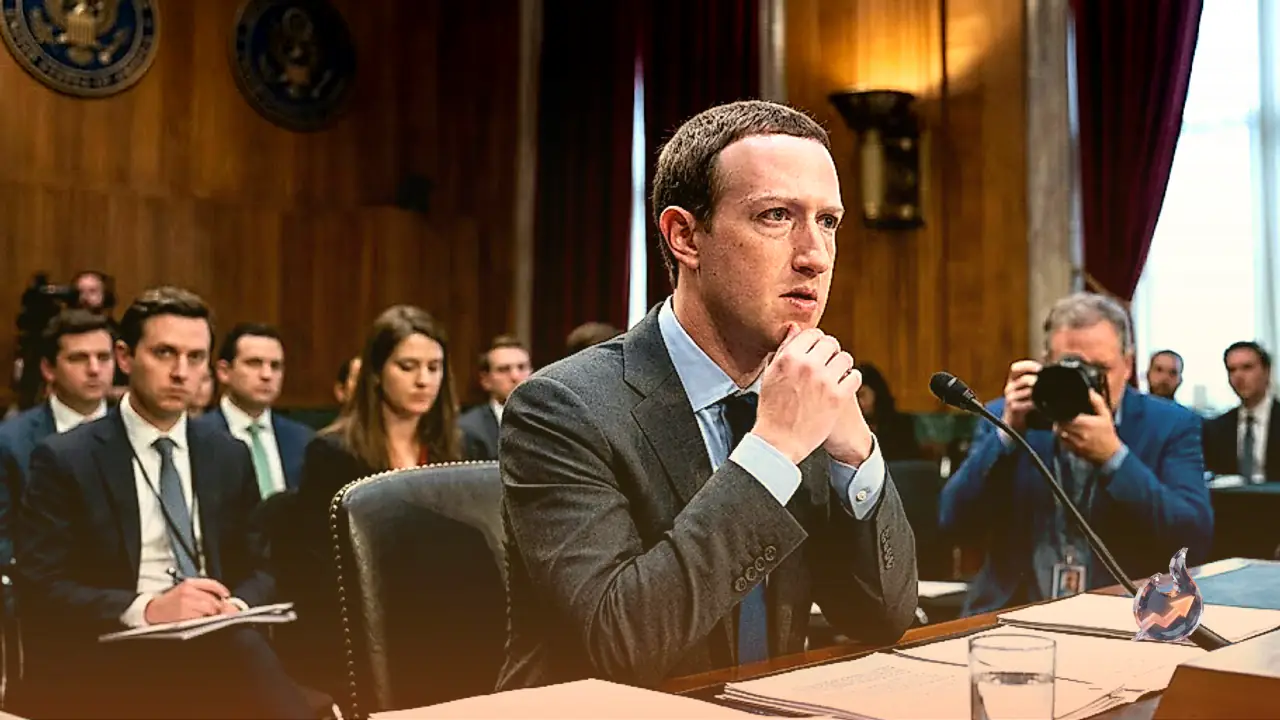
The findings from the American watchdog align closely with concerns previously raised by Indian regulators. Just weeks prior to this report, the Indian government sternly warned Meta to immediately dismantle networks spreading child abuse material on Facebook and Instagram and to enforce strict preventative measures. The severity of the issue had previously compelled Meta Chief Executive Officer Mark Zuckerberg to issue a formal apology.
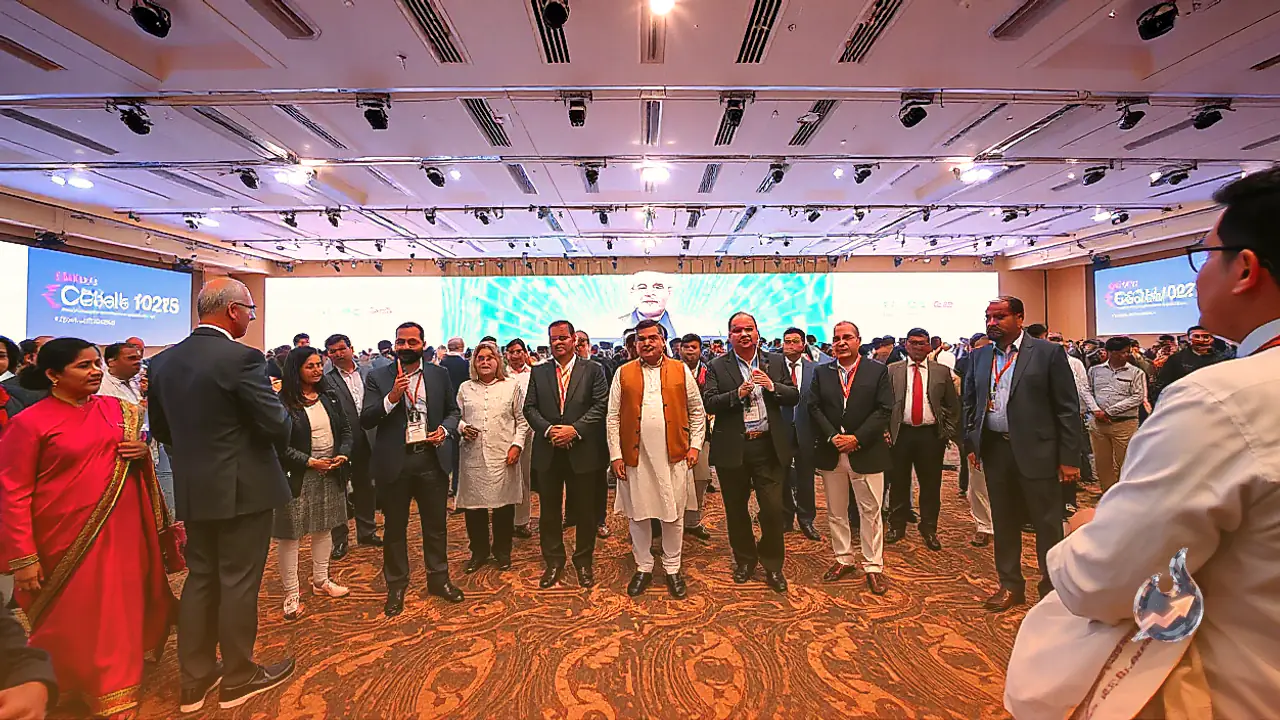
In August, Meta's global executive team held high-level discussions with Indian government officials. During the meeting, authorities delivered an unyielding message that no leniency would be extended regarding child exploitation content. Additionally, India's National Human Rights Commission (NHRC) issued notices to Meta and eight Indian states regarding obscene material on Instagram and Facebook. The Indian government also warned Meta that compliance with domestic laws and the Constitution is non-negotiable, cautioning that failure to comply could result in the revocation of legal 'safe harbor' protection under Indian IT law.
Meta's Delayed Enforcement and Unresolved Questions
Following the publication of the TTP report, Meta took corrective action. The company removed approximately 150 offending advertisements from its Ad Library. Furthermore, records for more than 100 previously removed advertisements were retroactively reclassified as official violations of its Child Exploitation Policy.
Despite these interventions, fundamental questions remain unaddressed. If Meta possesses the technical infrastructure required to identify and eliminate such egregious content, why were these 300-plus paid advertisements permitted to bypass automated filters and run publicly in the first place? The incident underscores persistent flaws in Meta's ad approval mechanism and highlights the ongoing challenge of policing AI-generated harm on major social networks.