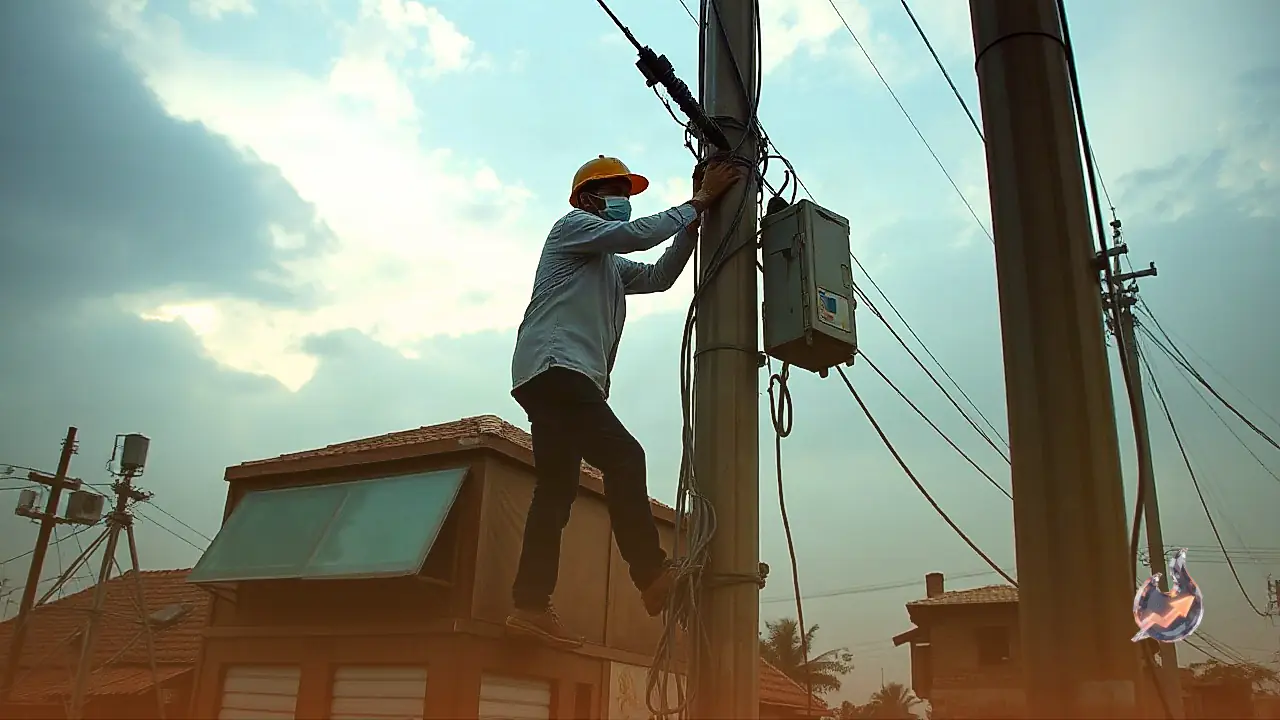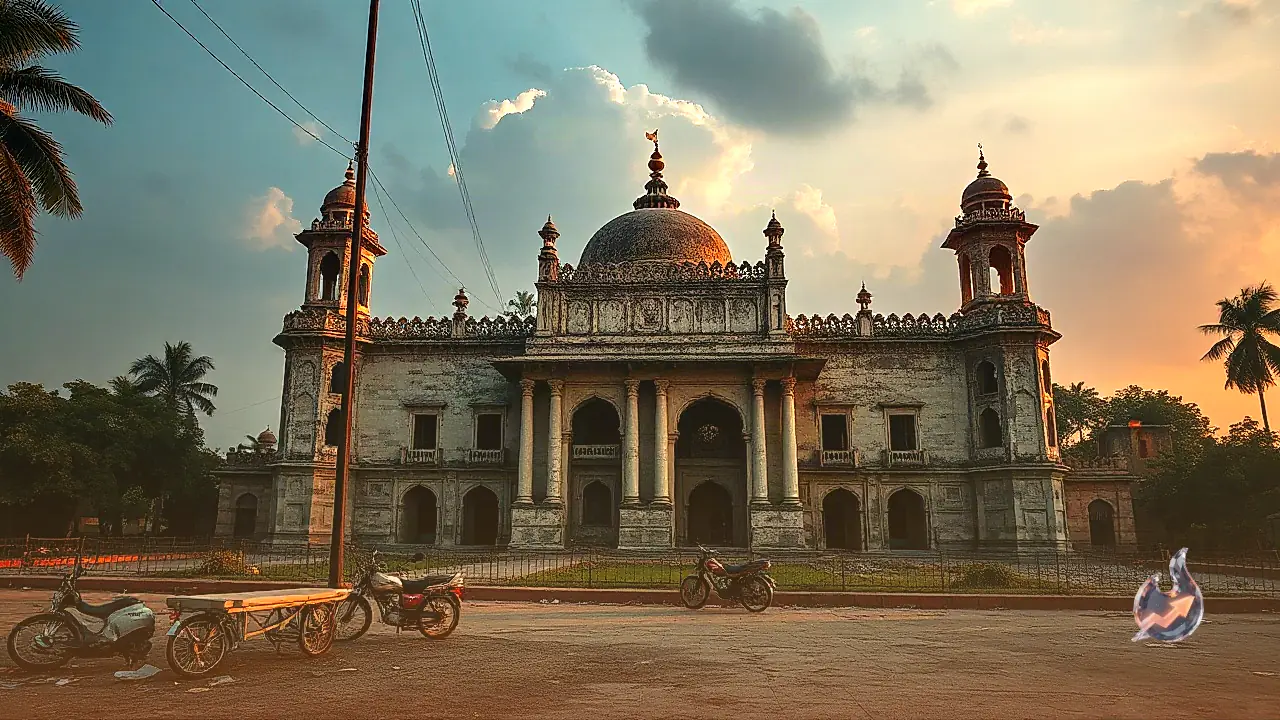





















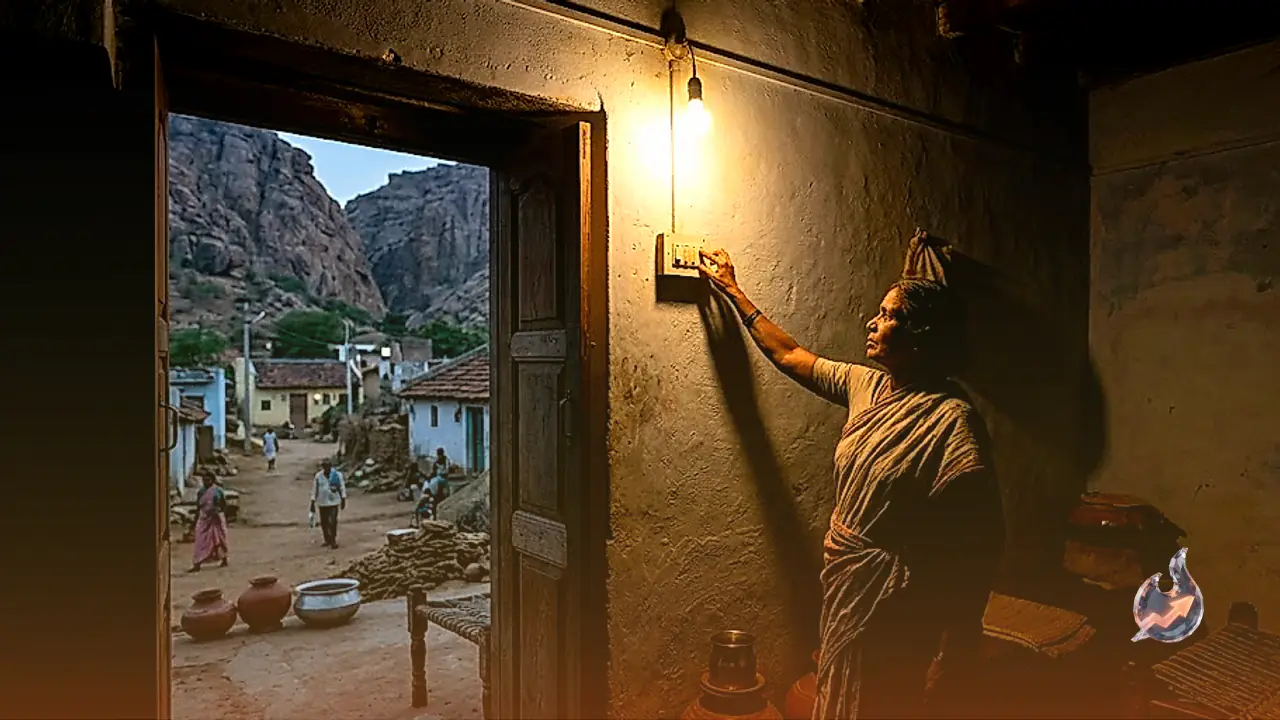

While most of the world experiences a gradual transition from afternoon to a picturesque evening, a unique village in the southern Indian state of Telangana operates on a completely different natural clock. In Kodurupaka, situated within the Sultanabad mandal of Peddapalli district, the concept of a twilight or dusk simply does not exist. For generations, the residents here have lived in a place where the afternoon plunges straight into the darkness of night, forcing them to switch on their indoor lights as early as 4:00 PM.
A Geographic Wall of Shadows
This early onset of nightfall is not the result of any folklore, magic, or superstition, but rather a fascinating geographical phenomenon. Kodurupaka is nestled deep within a valley, heavily guarded by towering hills on all sides. The most significant geographical features dictating the village's unique daylight cycle are two massive hillocks situated directly to its west. These hills are known locally as Ranganayakula Gutta and Gorla Gutta.
As the afternoon progresses and the sun begins its natural descent toward the western horizon, these colossal natural structures act as an impenetrable wall. Between 3:30 PM and 4:00 PM every day, the massive, deep shadow of the Ranganayakula and Gorla hills stretches completely over the village. This engulfs the entire area in darkness long before the actual sunset occurs in the rest of the region.
The Missing Fourth Pahar
In traditional Indian timekeeping, daylight is divided into four distinct phases, known as 'pahars' or 'jamus', with each phase lasting approximately three hours. A standard geographical location receives roughly 12 hours, or four full pahars, of sunlight. However, due to its restrictive topography, Kodurupaka receives only about 9 hours of direct sunlight. Because of this missing phase of daylight, the settlement has earned the popular local moniker of the three-pahar Kodurupaka.
An Altered Daily Rhythm
The imposing hills do not just steal the evening; they also delay the morning. Because the village is tightly enclosed, the morning sun becomes visible to the residents about half an hour later than it does in neighboring open areas. This significantly compresses the active daylight hours for the local population, creating a daily routine that starkly contrasts with the rest of the world.
Farmers and laborers in Kodurupaka have adapted to this shortened day. They are forced to wrap up their agricultural work immediately after the afternoon hours and return home earlier than usual. Consequently, dinner is prepared and consumed much quicker, and the entire village goes to sleep unusually early. This extraordinary natural anomaly continues to draw curious onlookers from surrounding areas, who travel to Kodurupaka simply to witness the village where evening never arrives.