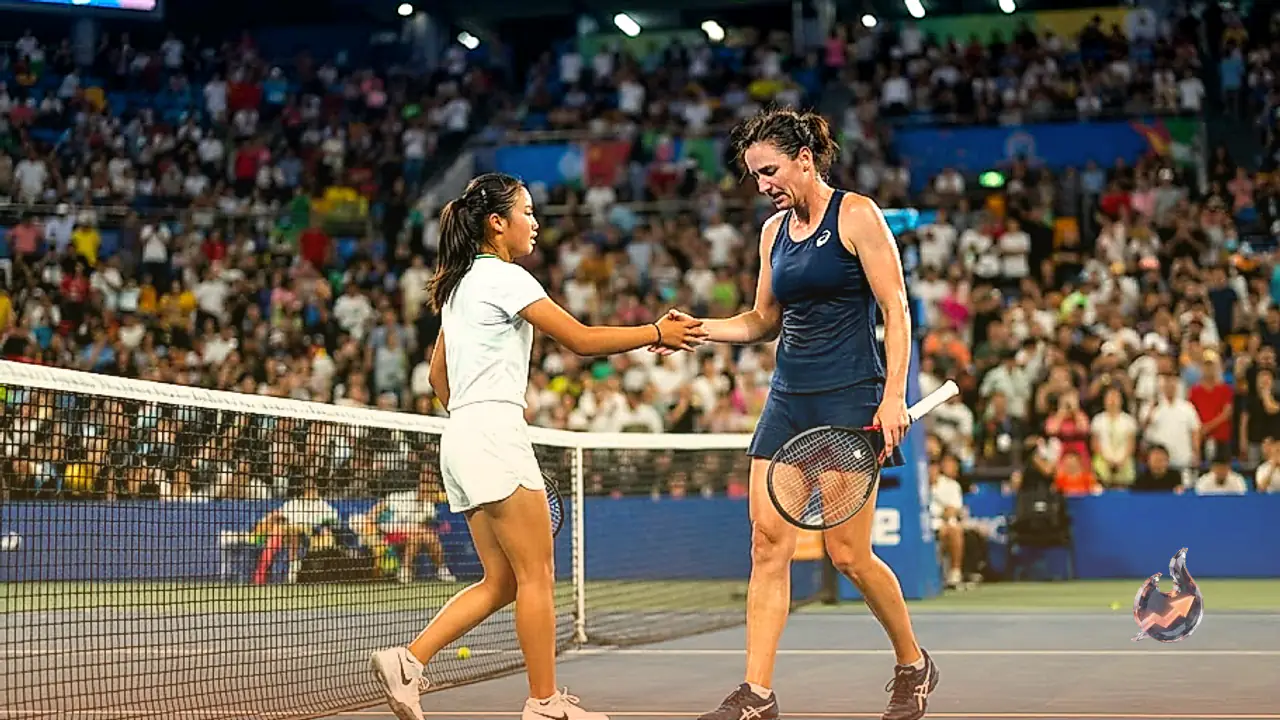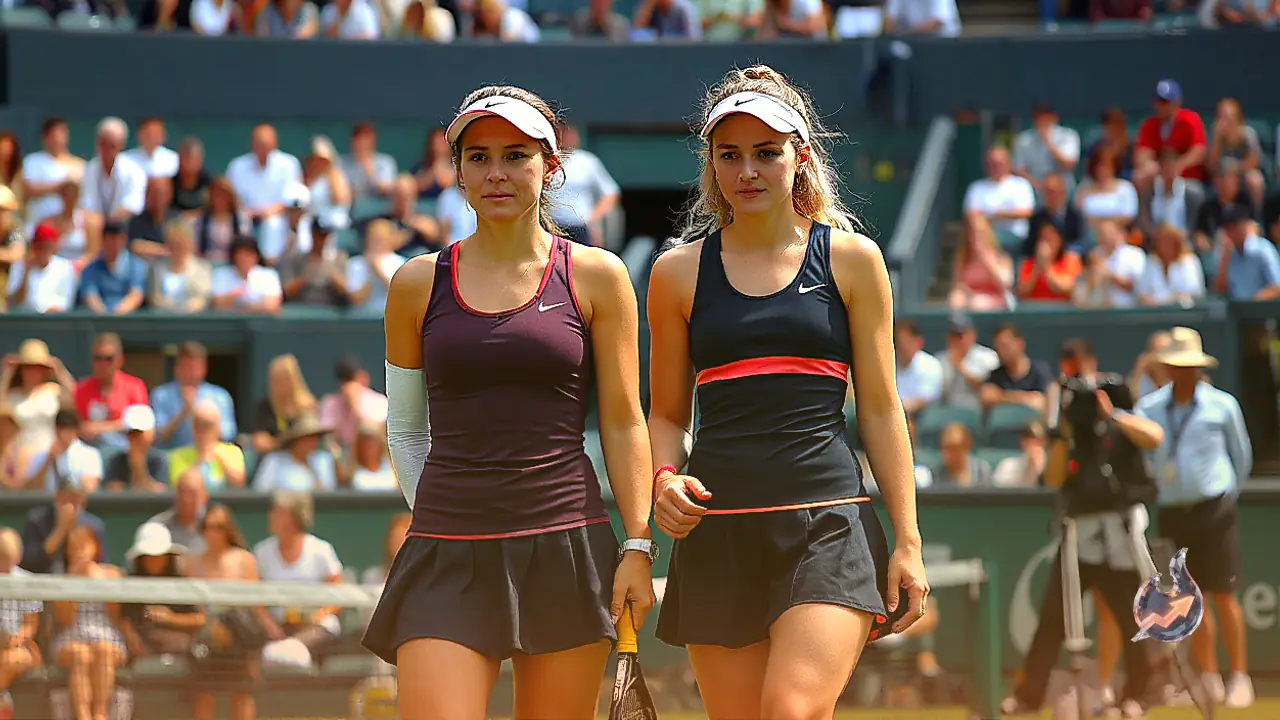

























World number 611 Venus Williams continues to rely on wildcards to enter competitive tennis draws around the globe. Despite enduring 14 consecutive defeats in singles matches, tournament directors remain eager to include her in their event lineups. The 46-year-old American icon has been playing professionally for nearly 30 years, with her most recent singles victory coming back in July 2025. While critics argue that receiving so many wildcards without victories undermines higher-ranked emerging players, Grand Slam rules place no limit on wildcard entries for former champions, and her presence continues to make strong commercial sense.
Commercial Draw of a Generational Sporting Icon
Having a Williams sister on the schedule remains a powerful commercial catalyst for tennis tournaments worldwide. Karl Hale, the tournament director for the WTA 1000 event in Toronto, emphasized that keeping generational icons active benefits the broader sport. He noted that the ongoing allocation of wildcards to legends underscores their intrinsic financial and marketing value to organizers.
A two-time US Open singles champion, Venus Williams has not earned a direct Grand Slam entry through her ranking since Wimbledon 2021, where she also secured her last singles match win at a major. Yet in this year alone, tournament organizers in New Zealand, Australia, Spain, Germany, Canada, and the United States have actively sought her participation.
Wildcard Mechanics in Grand Slams and Tour Events
In standard Grand Slam draw structures, eight of the 128 singles slots are designated for wildcard entries. Meanwhile, regular WTA and ATP events typically assign between four and eight wildcards depending on total field size. Organizers like Hale view Williams as a player with an extraordinary legacy who has driven historic interest in women's tennis. Her popularity in key markets such as Toronto prompted organizers to announce her participation early to maximize ticket sales.
Wildcard recipients are scheduled to play opening-round matches. With expanded draw sizes, featuring iconic names on opening day delivers immediate visibility and added value for event broadcasts and attendees alike.
Reciprocal Federations and Agency Trades
While most tournament directors prioritize homegrown national talent when awarding wildcards, elite names with proven commercial draw are routinely invited. Additionally, international tennis federations and management firms engage in strategic wildcard trades.
A primary example is the reciprocal wildcard agreement among the USTA, Tennis Australia, and the French Tennis Federation. Under this system, each Grand Slam hosting nation grants one men's and one women's wildcard spot to the others, ensuring their native players receive direct entry opportunities abroad. Management agencies like IMG have historically utilized similar exchanges across major tour stops.
Tennis Traditions Compared to Golf Regulations
Tennis differs significantly from other global sports in how it treats former champions. In golf, the Open Championship previously allowed former winners under the age of 65 to compete at will. However, organizers reduced that eligibility threshold to age 55 twenty years ago to free up field positions for younger, higher-ranked professionals.
Even though golfers can remain competitive longer than tennis players, tennis places no upper age limit on wildcard eligibility. Martina Navratilova exemplified this flexibility in 2004 when, at age 47, she received wildcards for both the French Open and Wimbledon, successfully winning a main-draw match on grass.
On-Court Competitiveness and Retirement Autonomy
Tournament directors maintain that Williams remains capable of pushing top opponents. In a recent match against Kamilla Rakhimova that ended in a 6-4, 6-1 loss, Williams produced a highly competitive opening set. Observers note that while victory margins have eluded her, her level of play remains viable on court.
Addressing whether wildcard caps should exist to protect rising players, organizers emphasize that iconic champions who shaped the modern game deserve autonomy over their careers. British number one Katie Boulter, who partnered with Williams in the Madrid doubles draw in April, echoed this sentiment, stating that tennis should be grateful for Williams' continued dedication and presence on court.