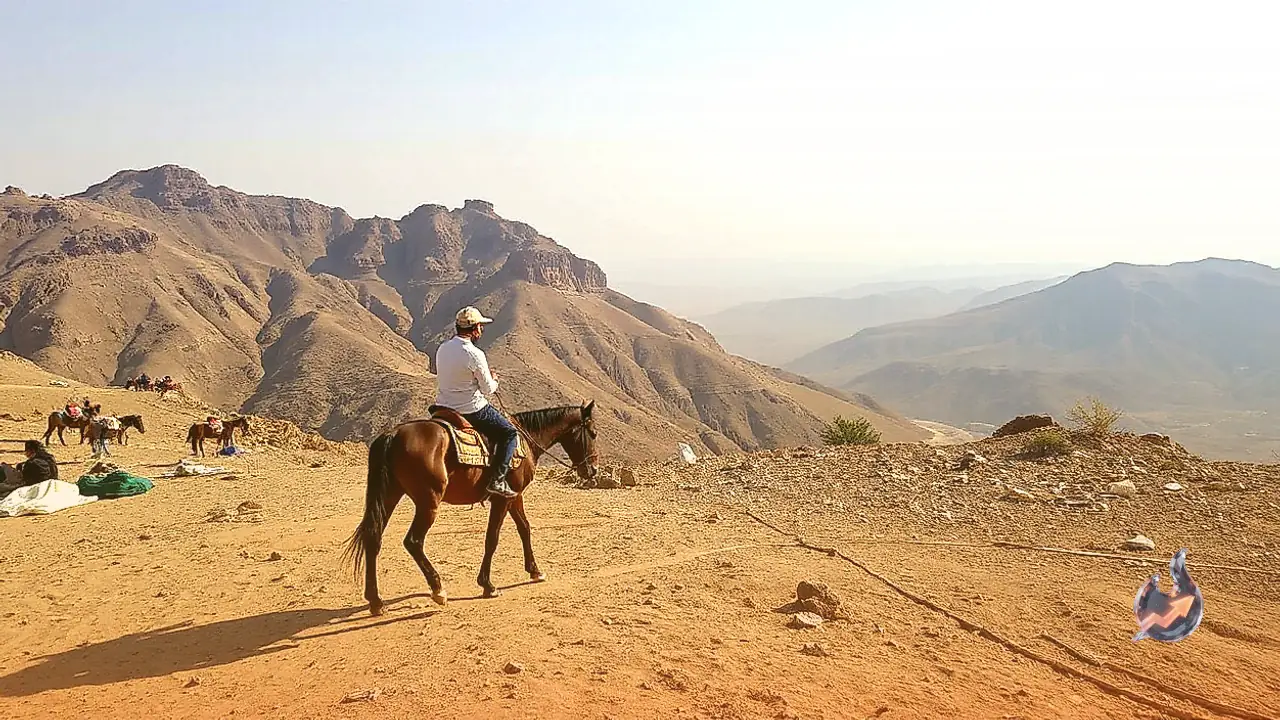


















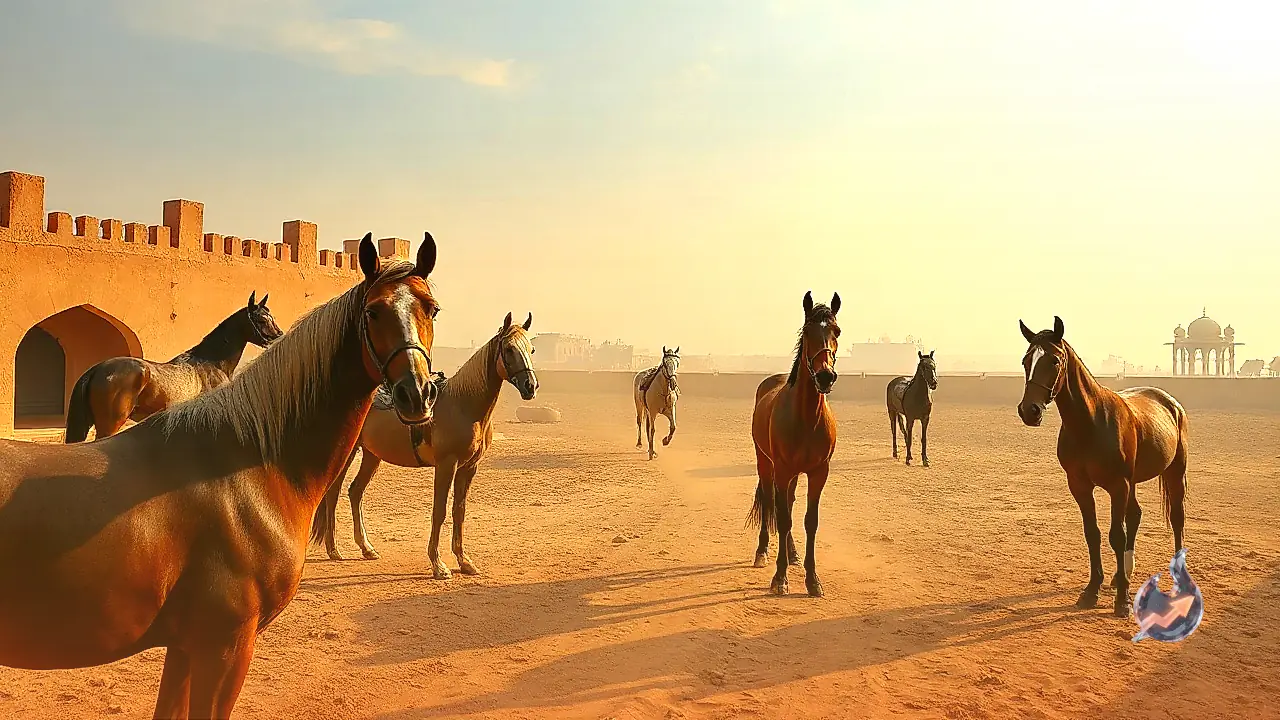

Located within the National Research Centre on Equines, the equine museum in Bikaner acts as a comprehensive gateway into the rich world of horses found across India. The museum features an engaging display that details the primary horse breeds native to the country, utilizing maps to illustrate precisely where different varieties are distributed across various Indian regions. Recognized major breeds in India include the Manipuri, Marwari, Bhutia, Spiti, Kathiawari, Zanskari, Sindhi, and Bhimthadi. The facility provides visitors with detailed information regarding the distinct physical identification markers, unique traits, and geographical habitats associated with each of these recognized breeds.
Detailed Displays and Modern Presentation
The museum showcases the diverse breeds of horses and their historical trajectory in an exceptionally engaging manner. Large displays and vivid photographs mounted on the walls offer visitors a comprehensive understanding of the equine world, spanning from historical steeds to contemporary classifications and their practical uses. Scientific facts concerning horses are communicated through accessible language and modern presentation techniques, ensuring that visitors of all backgrounds can grasp the intricacies of equine biology and utility.
Scientific Research and Studies
Research and scientific insights related to equines are prominently featured within the museum exhibition spaces. Posters and informational boards affixed to the walls share crucial data regarding equine breeds, common diseases, proper nutritional care, and behavioral patterns. Researchers from both India and abroad regularly visit the National Research Centre to conduct scientific investigations, performing various experiments focusing on high-breed horses and donkeys. The museum offers visitors a glimpse into these ongoing research endeavors and scientific milestones.
Cultural and Religious Significance
Equines and donkeys have held a distinguished place in Indian culture and religious traditions for centuries. The exhibits inside the museum reflect this profound cultural heritage through various mythological and historical references. Hindu mythology frequently references the sun god Surya and his chariot drawn by seven horses, while regional figures such as Golu Devta, revered as a deity of justice, are depicted riding a horse. Additionally, Sheetala Mata is traditionally associated with the donkey as her mount. Revered regional figures including Tejaji Maharaj, Ramदेवजी, and the Ashwini Kumar twins also share deep-rooted associations with horses.
Historical Valor and Legendary Steeds
The museum successfully bridges the gap between historical legacy and scientific heritage by presenting them side by side. Alongside mainstream national breeds, the exhibition highlights specific horses that carved out legendary reputations through their actions in history. From the famed and fiercely loyal Chetak, ridden by Maharana Pratap, to the mounts of various historical rulers and warriors, the unique characteristics and contributions of these legendary animals are carefully detailed.
Traditional Equipment and Equestrian Craft
Traditional equestrian gear is also allocated a special place within the museum collections. Walls adorned with vintage bridles, whips, and other riding accessories offer a direct window into historical riding traditions. These artifacts demonstrate that the relationship between a horse and its rider extended far beyond basic transportation, involving an intricate discipline and specialized craftsmanship. Visitors gain valuable insight into the specialized equipment required by historical equestrians and the sophisticated nature of traditional horsemanship.