


















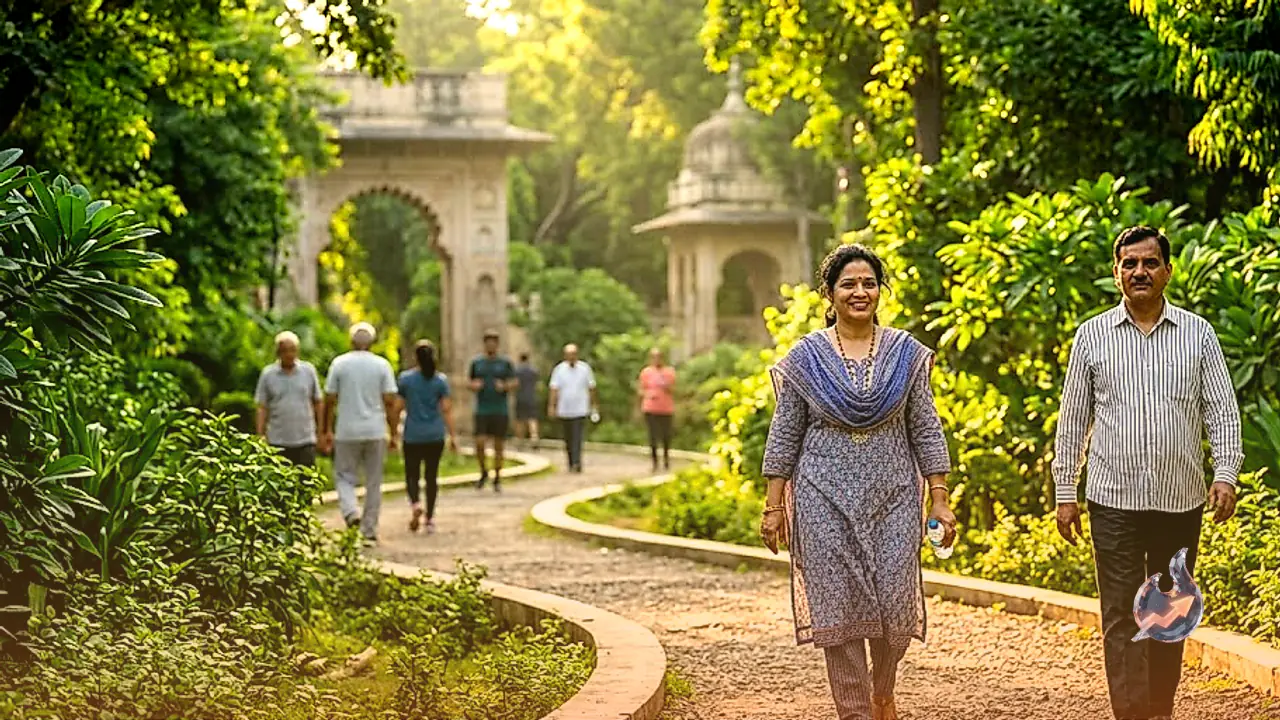

Udaipur is famous the world over as the City of Lakes, but its identity isn't only about water. Right in the middle of the city lies Gulab Bagh, widely regarded as Udaipur's largest patch of greenery and often called the city's oxygen hub. Spread across hundreds of acres and home to lakhs of trees and plants, the garden is frequently described as the city's lifeline. Every morning and evening, large numbers of residents head here for walks, yoga sessions and exercise. Walking through its dense tree cover feels like stepping into a mini forest tucked away inside the city itself. Despite sitting right in the heart of Udaipur, the calm atmosphere inside Gulab Bagh brings visitors closer to nature.
A garden rooted in Maharana Sajjan Singh's era
Gulab Bagh traces its origins to the reign of Maharana Sajjan Singh of Mewar. He had a deep fondness for gardening and the natural world, and he travelled abroad often. During these foreign trips, he would bring back rare plant species from different countries and have them planted in Udaipur. That legacy is why Gulab Bagh today still houses a wide variety of flora native to both India and other parts of the world. Victoria Hall, located within the garden complex, adds further weight to its historical character. Built in a style influenced by British-era architecture, the hall continues to draw tourists to this day. For children, the garden also offers a toy train ride, which has remained a major attraction for years.
Why this green cover matters as pollution rises
Environmental experts point out that as urbanisation and pollution accelerate, green spaces like Gulab Bagh become essential for a city's survival. The thousands of trees here don't just supply oxygen, they also help regulate local temperatures, protect biodiversity and keep the broader environmental balance in check. In other words, the garden is not just a recreational spot, it functions as a working part of the city's ecological system.
A tourist draw and a symbol of the city
Gulab Bagh also holds significant value from a tourism standpoint, with large numbers of domestic and foreign visitors arriving every year. The combination of greenery, historic architecture and natural beauty gives the garden its distinct identity within Udaipur. That is why Gulab Bagh is seen as more than just a park, it stands as a living symbol of the city's environment, history and cultural heritage.