






















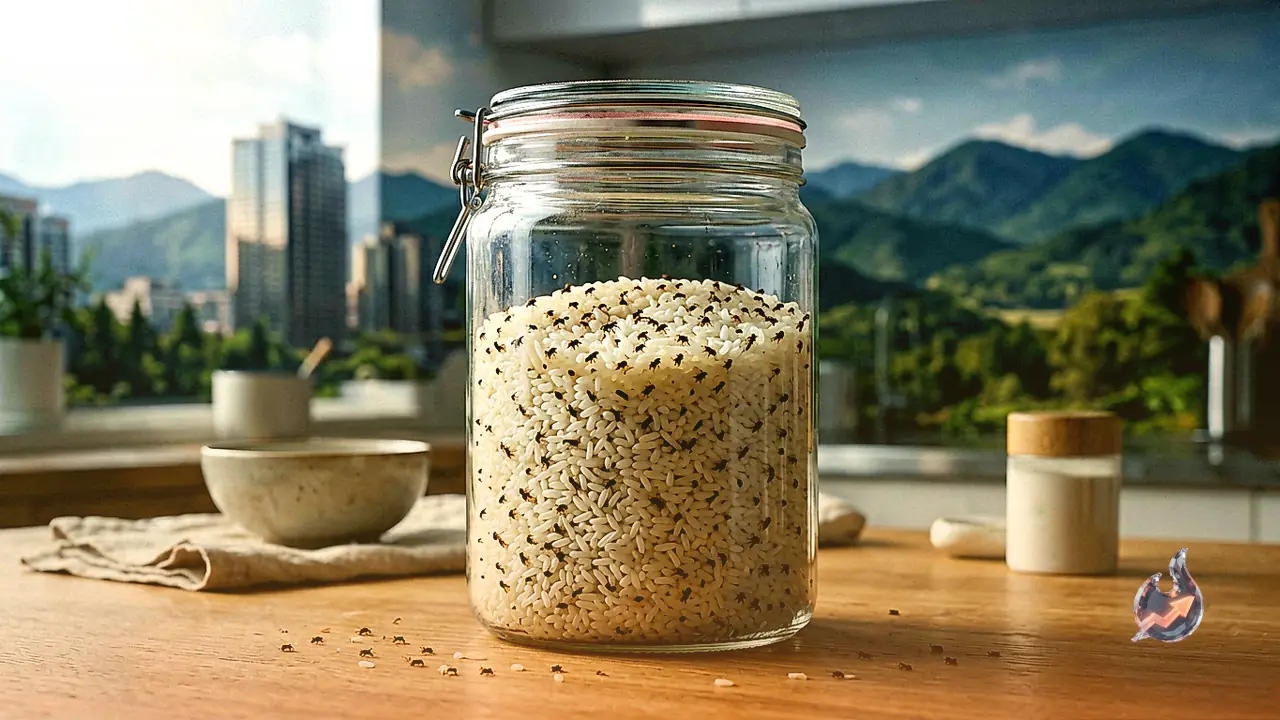

Opening the lid of your rice storage container only to spot tiny bugs or weevils crawling around is a clear sign that your kitchen staples require some attention. This issue frequently arises with rice that has been stored for an extended period. Often, grains look completely normal from the outside, but once you inspect deeper into the container, these small pests become visible. Before panicking and immediately discarding the entire stock of food, several straightforward steps can be taken. However, simply tossing pungent items into the container does not guarantee that the weevil problem will vanish completely.
Isolating the Infected Grains
The very first and most crucial step is to separate the infested rice from the rest of your food items. If the contamination is mild, sorting through the rice, spreading it out under direct sunlight, and storing it correctly can prove quite helpful. On the other hand, it is always better to avoid consuming rice that has been heavily overrun by weevils. Simply cleaning the container is often insufficient, because weevils or their invisible eggs may already be present inside the packaging at the time of purchase, only to become noticeable later. Therefore, it is wise to inspect the entire storage area, nearby containers, and other dry goods such as flour, lentils, and semolina.
Checking Surrounding Pantry Items
A major reason behind weevils infesting rice is leaving the grains untouched for a long duration. Hot and humid environments significantly increase the likelihood of these pests multiplying. Because eggs can travel straight from the store inside a sealed packet, inspecting the immediate surroundings is essential. If one packet of rice shows signs of weevils, checking all other nearby grains and dry food items is a smart precaution to prevent the infestation from spreading further across your kitchen pantry.
Using Sunlight and Cotton Cloths
If the weevil count in the rice is relatively low, the grains can be spread in a thin layer over a clean cotton cloth or a large tray and kept under strong sunlight for a few hours. This helps dry out the rice thoroughly and encourages active pests to crawl away. Once the sunning process is complete, sieve the rice once more before storing. Keep in mind that merely placing grains in the sun does not guarantee the complete eradication of every single egg or insect. If weevils continuously reappear, discarding the batch is safer than trying to preserve it long term.
Bay Leaves, Cloves, and Traditional Tricks
Many households traditionally place bay leaves or whole cloves inside the rice container. While the aroma of these items can help deter certain pests, they should not be considered a foolproof method for eliminating an existing weevil infestation. If you choose to use them, ensure the rice goes into a clean, dry container alongside these spices. The most vital rule is to prevent any moisture buildup inside the container and to ensure old rice is never left sitting unused for months on end.
Neem Leaves and Whole Garlic Cloves
Folk remedies often recommend adding dried neem leaves, whole dry red chilies, or unpeeled garlic cloves to protect against weevils. While these can offer a degree of deterrence, relying on them to rescue already contaminated rice is unwise. Particularly with garlic and chilies, maintaining a clean and dry storage environment is far more important than burying ingredients directly into the grains. If pests persist despite trying these home remedies, separating and discarding that specific batch of rice remains the safest route.
The Freezer Method for Light Infestations
When dealing with a very mild infestation, storing the dry grains inside securely sealed freezer-safe bags for a few days can be a viable option. Exposure to extreme cold impacts various pests and disrupts their developmental stages. Afterward, allow the rice to return to room temperature before transferring it into a clean, dry, airtight container. However, if the rice exhibits a foul odor, dampness, mold growth, or heavy insect activity, attempting to salvage it is counterproductive. Disposing of heavily compromised rice is always the right choice.