



















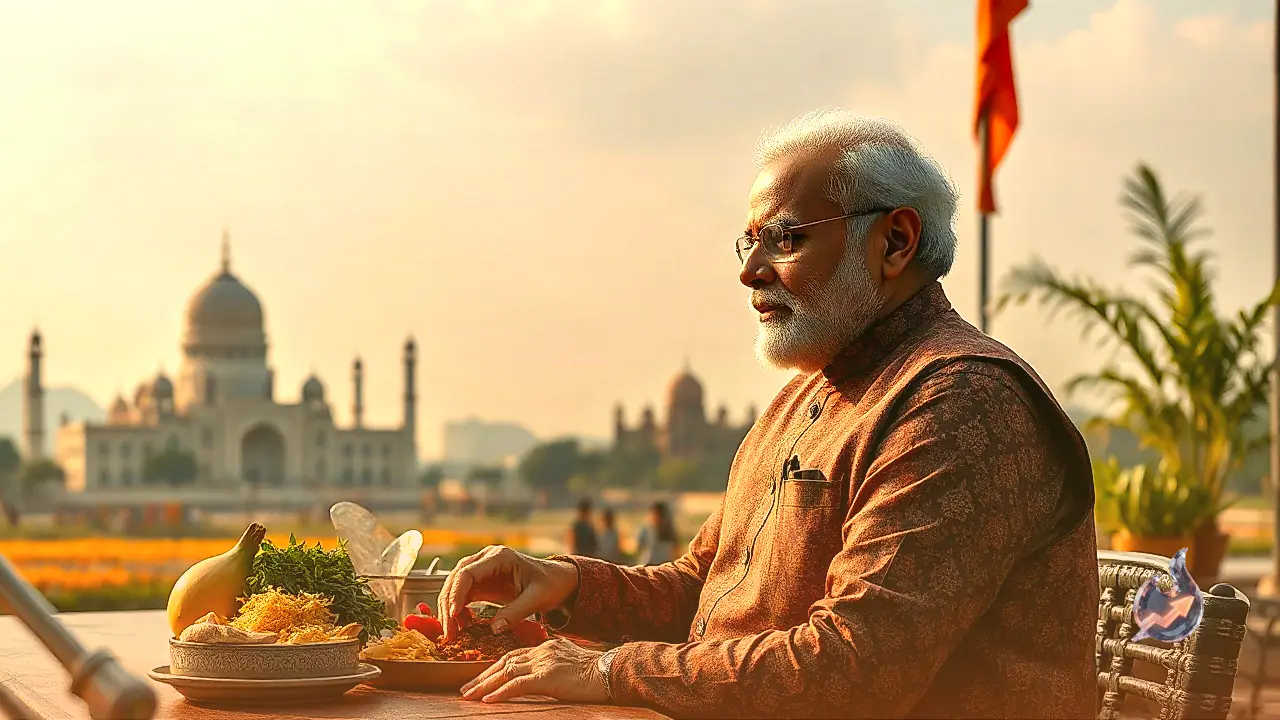

Prime Minister Narendra Modi is widely recognized for maintaining a demanding work schedule supported by a disciplined lifestyle. His fitness and stamina often attract public attention, with observers frequently noting the simplicity of his dietary choices. On several occasions, he has stated that he does not follow any rigid or fixed diet plan. During an interaction with students at the 'Pariksha Pe Charcha' event in 2026, he explained that he consumes pure vegetarian food and has always eaten whatever wholesome items were readily available. Looking back at his early years, he also mentioned that he often prepared simple khichdi for himself.
Across his public speeches and various discussions, several traditional Indian foods have been highlighted in connection with his dietary preferences. These staples include fox nuts known as makhana, nutritious millets, moringa paratha, and simple lentils with rice. A distinguishing feature of these culinary choices is their deep roots in time-tested Indian home cooking, offering balanced nutrition without excessive processing.
Makhana as a Valued Superfood
Fox nuts, locally known as makhana, stand out as one of the most prominent items associated with Narendra Modi's eating pattern. During an event in Bhagalpur, Bihar, he shared that he eats makhana for at least 300 days a year. Describing it as an exceptional superfood, he drew attention to the dedicated farmers cultivating makhana across Bihar and spoke about the expanding global market opportunities for this agricultural product. Makhana is typically enjoyed as a light, digestible snack, most commonly roasted over a low flame. It delivers good amounts of plant protein and vital minerals, though nutrition experts always recommend enjoying it in moderate, balanced portions.
Nutrient-Dense Moringa Paratha
Flatbread prepared using drumstick leaves, popularly called moringa paratha, represents another widely discussed item linked to Narendra Modi's culinary routine. He previously highlighted his fondness for moringa paratha through his social media accounts. Moringa leaves are packed with dietary fiber, essential vitamins, and active antioxidant compounds. Because of these rich nutritional qualities, drumstick greens have historically been utilized in Indian regional cooking as a functional leafy vegetable that supports everyday vitality.
Simple Comfort of Khichdi
Khichdi remains one of the most comforting, easily digested meals across Indian households, and Narendra Modi has fondly recounted his connection with it. In his 2026 interaction, he detailed how, during his formative years traveling and staying in different homes, he contentedly accepted whatever vegetarian meal was served to him, occasionally cooking khichdi on his own. The classic combination of rice and lentils delivers a balanced profile of carbohydrates and digestible protein. Incorporating seasonal vegetables into the preparation further enhances its overall micronutrient density.
Steamed Dhokla from Gujarat
Dhokla, a traditional culinary staple originating from Gujarat, also regularly surfaces in conversations surrounding his food habits. Prepared primarily from a fermented gram flour batter, dhokla is cooked using steam rather than frying. This cooking technique makes it a significantly lighter snacking alternative compared to conventional deep-fried treats. Its soft, airy texture and minimal oil requirement make it popular among health-conscious individuals, though the overall nutritional impact can vary depending on the amount of oil, tempering spices, and sweetened chutneys added before serving.
Digestive Benefits of Shrikhand
Shrikhand is a celebrated sweet delicacy from western India, crafted from strained and hung yogurt. Because yogurt serves as its foundation, the dessert offers notable quantities of protein and calcium. The beneficial live bacteria present in cultured yogurt can aid digestive functions and support gut balance. However, traditional preparations involve added sugar, meaning it should be consumed sparingly in measured servings. Taken in small portions during special occasions, it delivers a satisfying touch of traditional sweetness alongside the nutritional goodness of dairy.
Wholesome Grains in Bhakhri Dal
The combination of bhakhri and dal forms an integral element of traditional Gujarati dining. This dish pairs a crisp, dense flatbread made from coarse grain flours like jowar (sorghum) or bajra (pearl millet) with a steaming bowl of cooked lentils. It provides a hearty meal that sustains energy levels over long hours. While the lentils supply essential protein, the coarse millet flatbread delivers abundant dietary fiber, iron, and key trace minerals. This rustic pairing represents an effective synergy of native flavors and wholesome nourishment.
Championing Indian Avocado and Black Rice
On September 2, Narendra Modi shared a video on Instagram discussing the expanding domestic footprint of homegrown avocado. He observed that until recently, avocado was relatively unfamiliar to many Indian consumers and saw limited market demand. Today, however, Indian-grown avocados are finding a steady place on dining tables across the country, gaining popularity in premium food segments and among consumers seeking healthy dietary fats.
Similarly, black rice has captured widespread interest as a nutrient-packed whole grain. Narendra Modi has publicly commended farmers in Manipur and Odisha for their efforts in cultivating and popularizing this unique crop. The deep purple-black hue of the grain stems from anthocyanin, a potent antioxidant compound. Anthocyanin is recognized for aiding digestive health, supporting balanced blood sugar management, and promoting cardiovascular wellness, making black rice a prized grain that bridges traditional agriculture and modern dietary awareness.