























A dry cauliflower preparation holds a cherished place on Indian dining tables, pairing seamlessly with fresh flatbreads, parathas, or a comforting bowl of lentils and rice. Yet, home cooks frequently encounter two major hurdles while preparing this dish. First lies the challenge of removing fine grit and tiny pests hiding deep inside the branching clusters. The second struggle is preventing the tender florets from turning mushy and crumbling into pieces during cooking. Achieving the right texture demands careful attention right from preliminary preparation.
Proper Trimming and Sizing of Florets
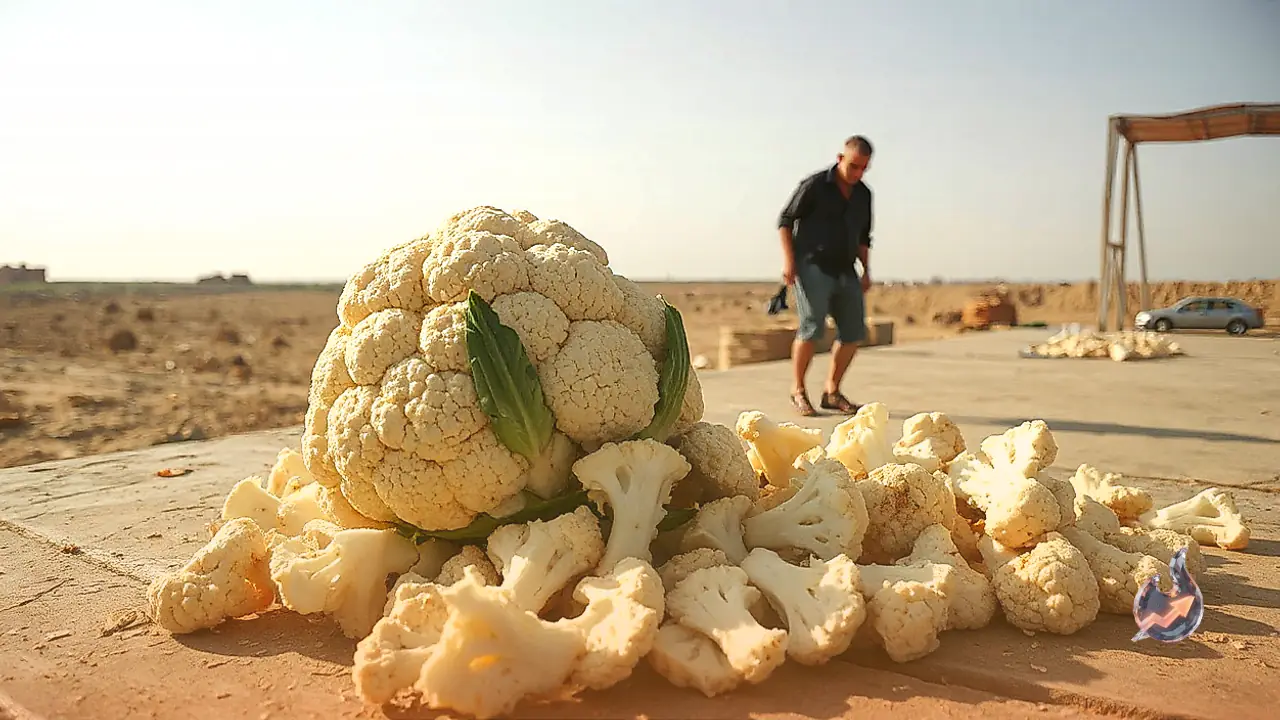
Preparation begins by slicing away the tough fibrous stem and discarding the coarse outer foliage. Next, divide the head into medium-sized individual clusters. Sizing them correctly is critical: exceptionally large pieces make it tough to inspect for insects and cook through evenly, whereas excessively tiny bits soften far too quickly and disintegrate in the skillet. Maintaining a uniform, balanced size across all pieces delivers the best results.
Take a moment to invert every cut piece, carefully checking the crevices where the branches meet the central stalk. Any portion showing signs of decay, discoloration, or severe damage should be promptly trimmed off. Never rely merely on a clean white surface on top as proof that the entire vegetable is pristine underneath.
Rinsing Dirt and Eliminating Pests
Wash the divided florets thoroughly under cold running tap water to dislodge loose debris. To coax out any insects that might remain lodged inside tight spaces, submerging the pieces in salted water is a dependable home method. Guidelines shared by the University of Illinois Extension suggest mixing four teaspoons of table salt into approximately four liters of water and letting the vegetable soak for thirty minutes.
Once the soaking duration concludes, lift the florets out, give them a final visual check, and rinse them once more under fresh tap water. Under no circumstances should anyone use dish soap, laundry detergent, or chemical cleansers to wash fresh produce, as these substances leave hazardous residues.
Gentle Parboiling in Turmeric Water
Select a deep pot and fill it with sufficient water so the cauliflower can float freely without crowding. Simply pouring two glasses of water is rarely enough for a standard head. Add a small pinch of salt along with a quarter teaspoon of ground turmeric, bringing the liquid to a rolling boil. Drop the florets into the boiling water and evaluate their firmness after about three minutes. The exact timing can vary slightly depending on how thick the stalks are.
The goal is to parboil the vegetable lightly rather than cooking it through completely, as it still needs to simmer with aromatics later. While turmeric imparts a warm golden tint to the pieces, this color change should not be mistaken for absolute disinfection or total cleanliness. Rigorous visual examination remains essential.
Draining and Organizing Spices
As soon as the florets are slightly tender, transfer them into a colander to drain. Leaving them sitting in hot water causes residual heat to overcook them into mush. Allow all excess moisture to drip away naturally so the pan gravy does not turn watery later. Avoid pressing or squeezing the florets, which can easily crush their structure.
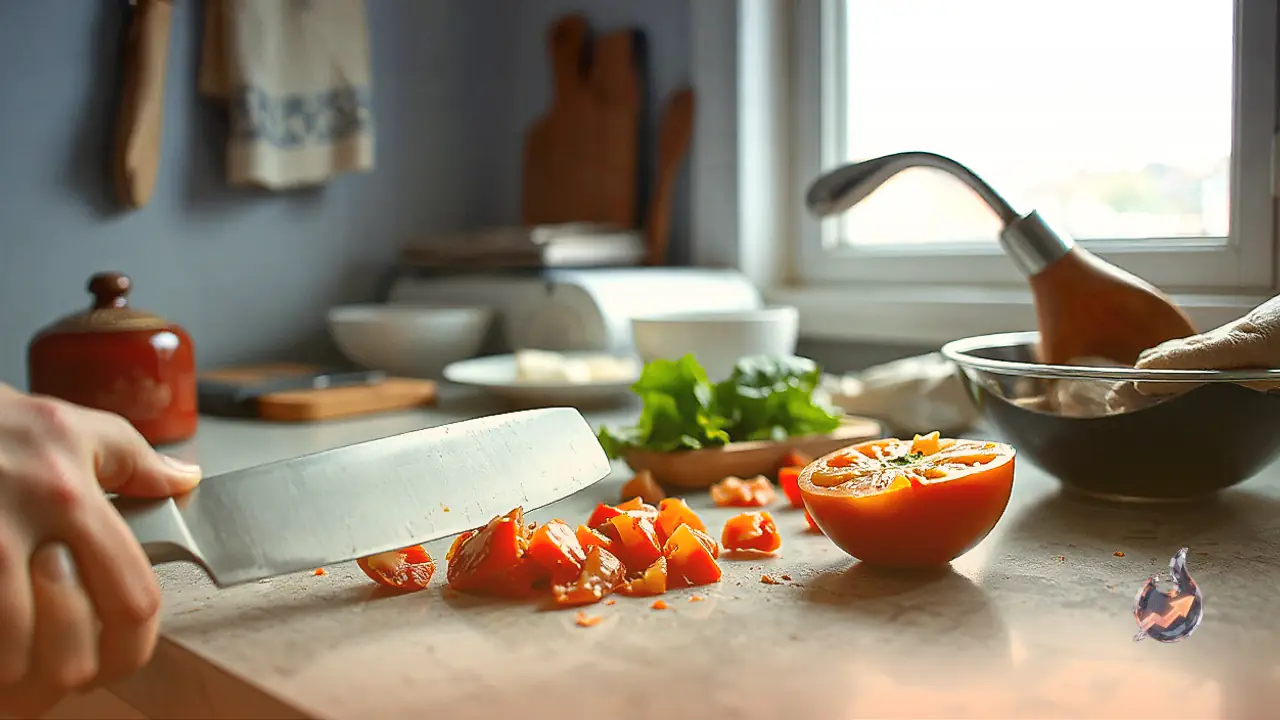
While the florets drain, chop onions, tomatoes, green chilies, and fresh coriander. For a medium cauliflower head, appropriate measurements include two tablespoons of mustard oil, a quarter teaspoon of cumin seeds, two to three medium onions, and two to three medium tomatoes. Keep handy two sliced green chilies, half a teaspoon of red chili powder, half a teaspoon of coriander powder, and salt to taste. If working with a smaller head, scale down the onions and tomatoes so their acidity does not mask the flavor of the vegetable.
Sautéing the Aromatic Base
Pour mustard oil into a wide pan or wok and heat it until it shimmers. Toss in the cumin seeds and let them splutter. Add the finely chopped onions and cook over medium heat, stirring regularly until they turn soft and take on a delicate pale golden color. Cooking time depends on your stove, so monitor appearance rather than watching the clock, ensuring the onions do not turn dark brown. A wide skillet offers ample room to toss the vegetable later without overcrowding.
Once the onions soften, stir in the green chilies and chopped tomatoes. Add the ground coriander, chili powder, a little turmeric, and a measured amount of salt. Cook over low to medium heat until the tomatoes soften into a cohesive paste. Cooking down the tomatoes completely at this stage prevents having to stir the cauliflower repeatedly later on. If the spices begin sticking to the bottom, splash in a tablespoon or two of water, keeping the base thick for a dry finish.
Combining and Simmering to Doneness
Tumble the well-drained florets into the spiced onion-tomato mixture. Using a broad flat spatula, lift the masala from the bottom and fold it gently over the vegetables. Instead of stirring vigorously in circular motions, turn the pieces over with a light hand. Cover the skillet with a lid and let it cook gently, checking periodically on its texture.
A tiny sprinkle of water may be added if the pan looks too dry. Because the cauliflower was already parboiled, avoid leaving it unattended under the lid for long stretches. The dish is cooked when the central stalk yields smoothly to a knife tip while the florets retain their distinct shapes.
Final Seasoning and Plating Care
Before turning off the flame, sample the seasoning. Because the parboiling water already contained salt, going light on salt in the masala base is prudent. If excess moisture remains in the wok, cook uncovered for a couple of minutes to let it evaporate. Turn off the burner, scatter chopped cilantro over the top, and refrain from overmixing. Dish out the sabzi using a wide serving spoon so every floret stays intact on the plate.