




















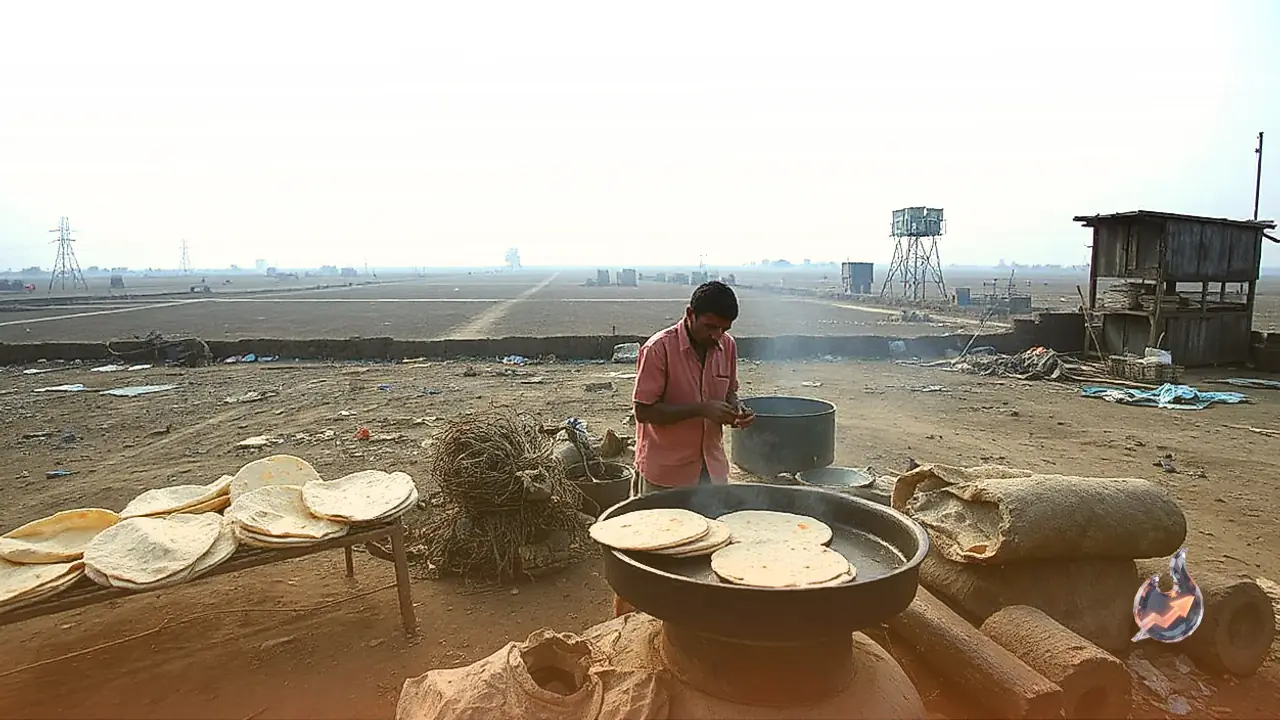

Discovering that fresh chapatis packed in the morning have turned dry, leathery, and rigid by lunch or dinner is a widespread frustration. Most people assume this stiffness happens solely because of overcooking on the griddle, but the reality involves a complete chain of preparation. The moisture level during kneading, the resting period given to the prepared dough, the exact heat of the pan, and the storage technique immediately after cooking all dictate whether flatbread stays tender or hardens into cardboard. For working professionals and students who rely on packed meals throughout the day, fixing this does not require special ingredients or drastic recipe changes, but simply maintaining dough hydration and sensible handling.
Proper Water Balance While Kneading The Dough
The foundation of long-lasting softness begins directly in the mixing bowl. The dough texture must neither remain excessively dense and stiff nor turn unmanageably wet and sticky. Pouring water all at once tends to ruin the consistency, so adding it in small increments while working the flour yields the best results. This incremental method allows every flour particle to absorb liquid evenly, making rolling effortless later. Using slightly lukewarm water can further enhance pliability by activating the natural structure of the dough. Once the dough comes together, jumping straight into rolling is a mistake that should be avoided.
The Essential Resting Window For Dough Hydration
After kneading is finished, the dough mass needs to be covered and set aside for approximately 15 to 20 minutes before rolling begins. This short resting phase allows internal moisture to distribute thoroughly throughout the flour, producing a remarkably softer consistency. Leaving the prepared dough exposed to open room air dries out the outer layer, forming an unwanted crust that causes the edges to crack while rolling and ultimately leads to dry, brittle flatbreads once heated. Always keep the bowl covered with a lid or damp cloth during this rest.
Managing Griddle Heat And Cooking Speed
Temperature control during the baking phase is equally decisive. Before placing the flattened disc onto the tawa, ensure the surface is properly preheated. Cooking flatbread over a low flame for an extended duration slowly evaporates all internal steam, baking out the vital moisture and leaving the disc tough. Instead, cook over medium to high heat and avoid lingering too long on the pan. Refrain from excessively pressing down on the surface or flipping the bread repeatedly back and forth. The moment both sides puff and display light golden spots, lift it off the heat immediately.
Correct Storage Habits Directly Off The Heat
Exposing freshly made chapatis to room air immediately after they leave the stove rapidly drains their softness. As each flatbread finishes, stack them together and wrap them neatly in a clean cotton cloth. Storing this wrapped stack inside a well-sealed container or insulated casserole shields the food from drying air currents and traps gentle warmth and moisture. If the goal is packing a lunch box before leaving home, wrap and seal the portions promptly rather than leaving them sitting on the counter.
Smart Handling When Using Aluminium Foil
Wrapping piping-hot chapatis straight into aluminium foil is another standard misstep that ruins food texture. When boiling-hot bread is trapped instantly in airtight foil, the trapped steam condenses on the metal surface, turning back into water droplets that make the bottom layers soggy, limp, and unappetizing. Allow the intense initial steam to dissipate for a brief moment, then wrap the bread in foil before transferring it into a secure lunch container.
Restoring Moisture To Hardened Chapatis
When flatbreads have already turned stiff after sitting too long, reheating them unprotected on a dry pan will only worsen the toughness. Instead, reheat them in a covered container using gentle steam to reintroduce lost hydration, which restores a significant amount of pliability. Ultimately, keeping flatbreads palatable over extended hours depends on sound initial storage rather than letting them sit neglected at ambient room temperature.