

















Weddings across India extend far beyond standard rituals like the traditional seven pheras and exchange of garlands, as diverse regions and communities uphold unique cultural customs rooted in deep beliefs. One such fascinating tradition is observed during traditional Meitei weddings in Manipur, where a pair of fish is released into a water body during the nuptials. Following this release, attendees closely observe the swimming behavior and movement direction of the aquatic creatures.
The Nature of the Nga Thaba Ritual
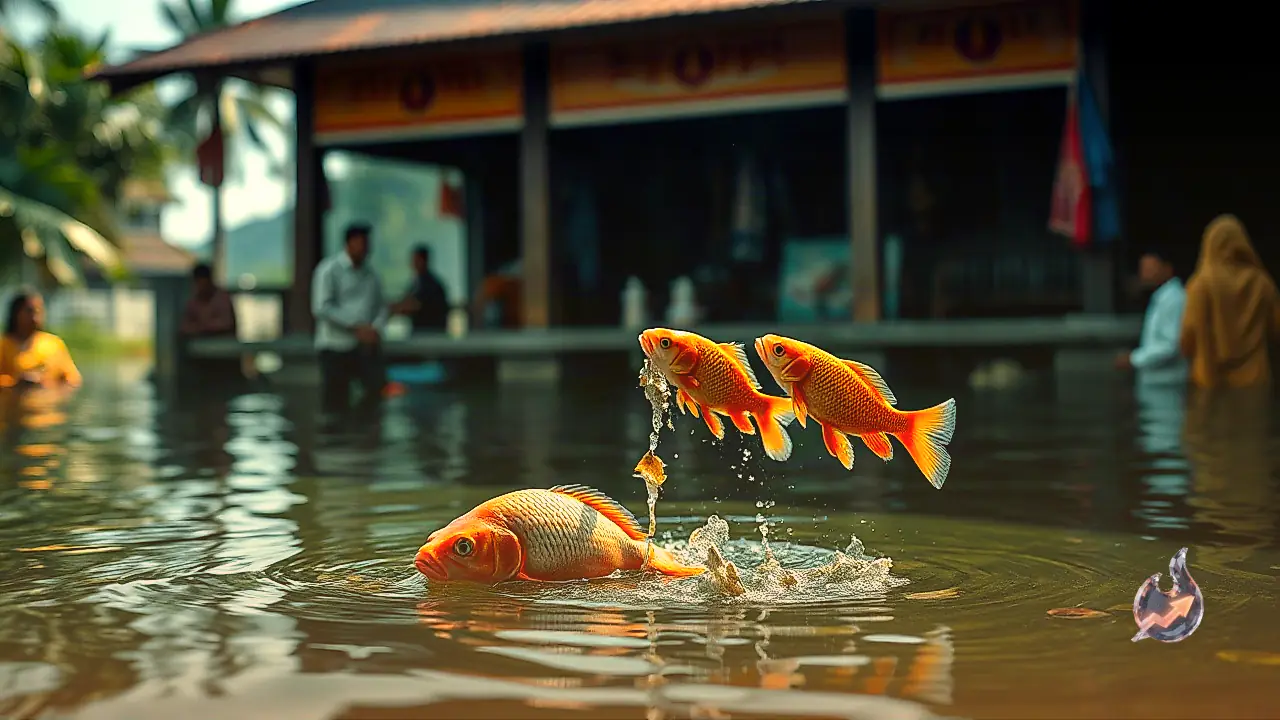
This distinct custom is formally known as the Nga Thaba ritual. During this practice, two fish are introduced into a nearby pond, lake, or natural water source with the active involvement of female family members. According to various reports and studies, the fish utilized in this ceremony specifically belong to the Ngamu or Channa species. These creatures are regarded symbolically as representations of the bride and groom embarking on their new journey together.
Interpreting the Swimming Patterns
The most intriguing phase of the ceremony begins immediately after the fish enter the water. Observers carefully watch the direction and movement of the creatures. Traditional belief holds that if both fish swim alongside each other or remain close, it is interpreted as a highly auspicious sign for the newly wedded couple. This behavior is associated with mutual harmony, companionship, and the promise of a blissful married life.
Significance of Diverging Directions
Conversely, traditional accounts suggest that if the two fish swim away in completely opposite directions, it has historically been viewed with caution. In customary folklore, such movement was sometimes linked to potential distance or separation between the partners in the future. However, experts note that this remains purely a folk belief lacking any scientific validation, and minor variations in interpretation or execution can be found across different sources.
Core Significance of the Custom
Viewing this ritual strictly as a fortune-telling tool overlooks its deeper symbolic value. The pair of fish fundamentally serves as a metaphor for the marital union. Their synchronized movement in the water reflects the shared hope that the bride and groom will navigate their upcoming life together with joy and unity. This cultural nuance is precisely what makes this Manipuri wedding custom so unique and enduring.