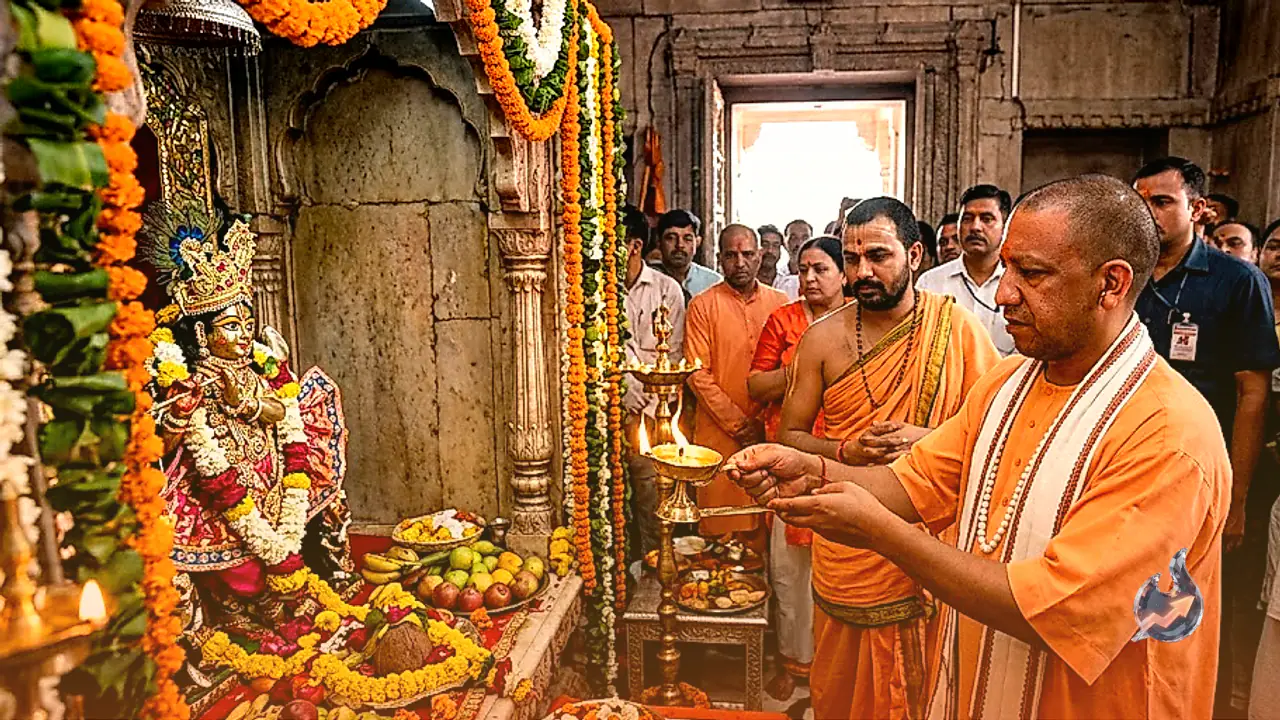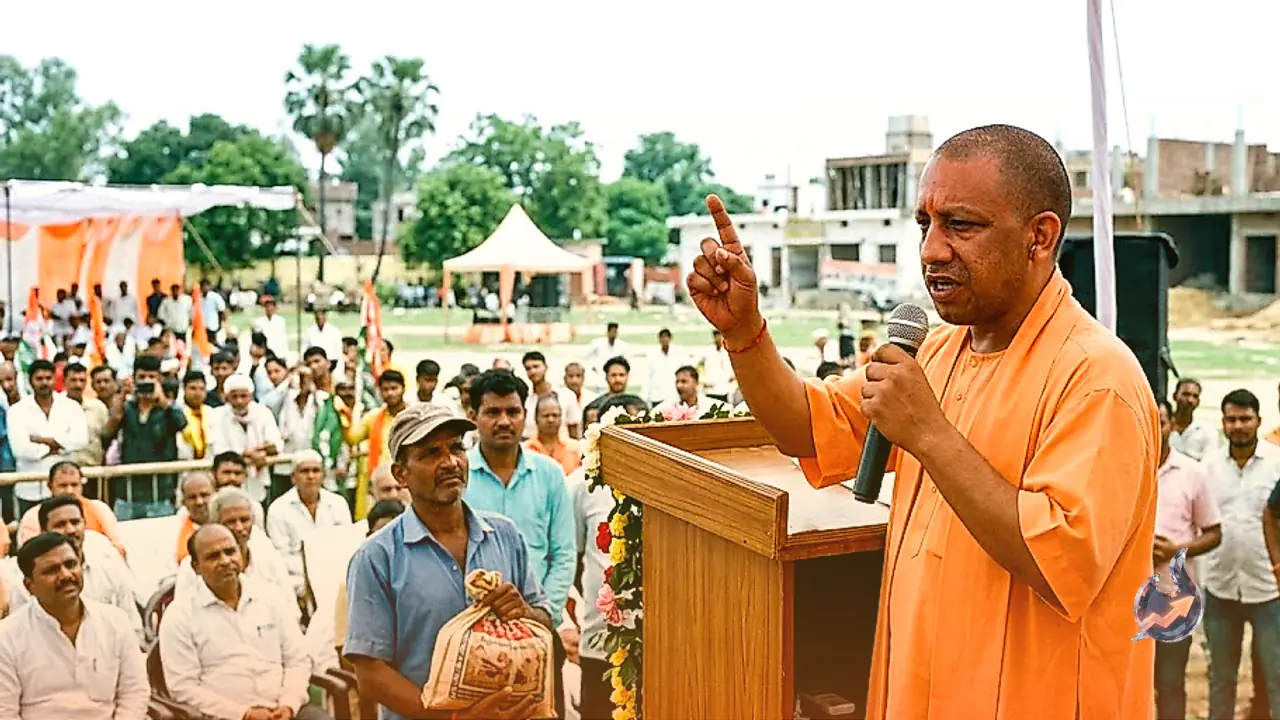

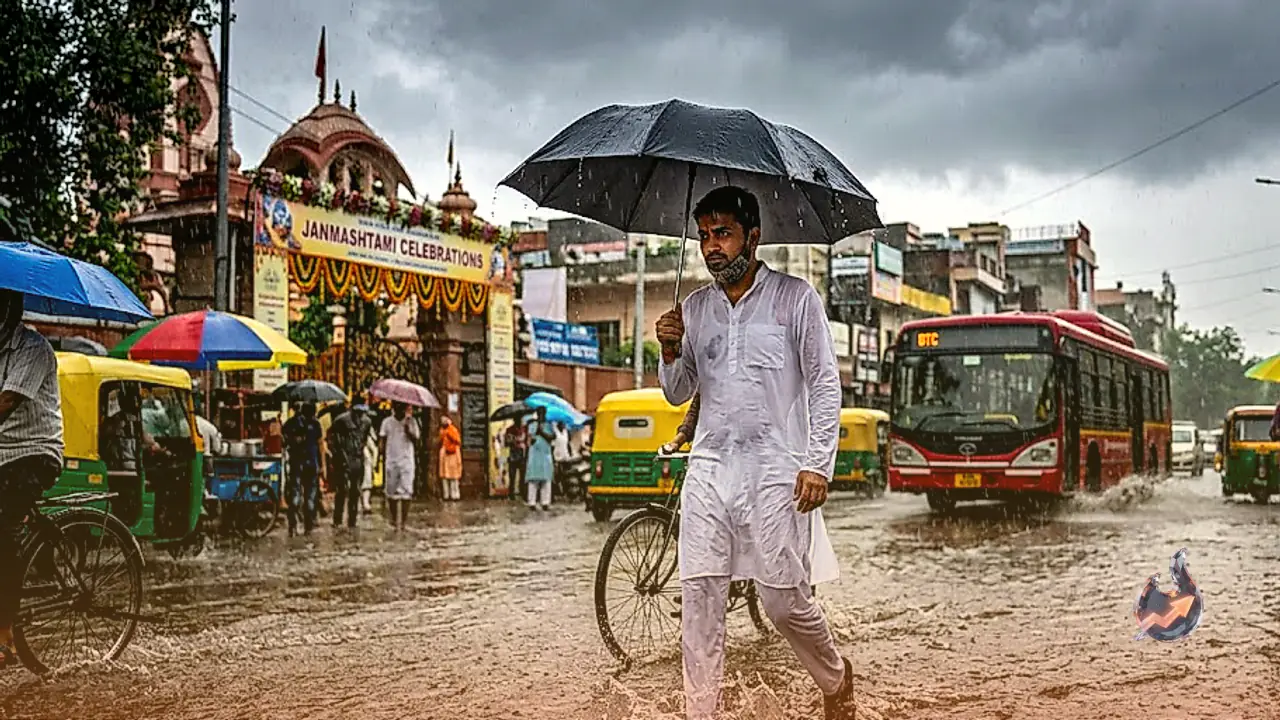
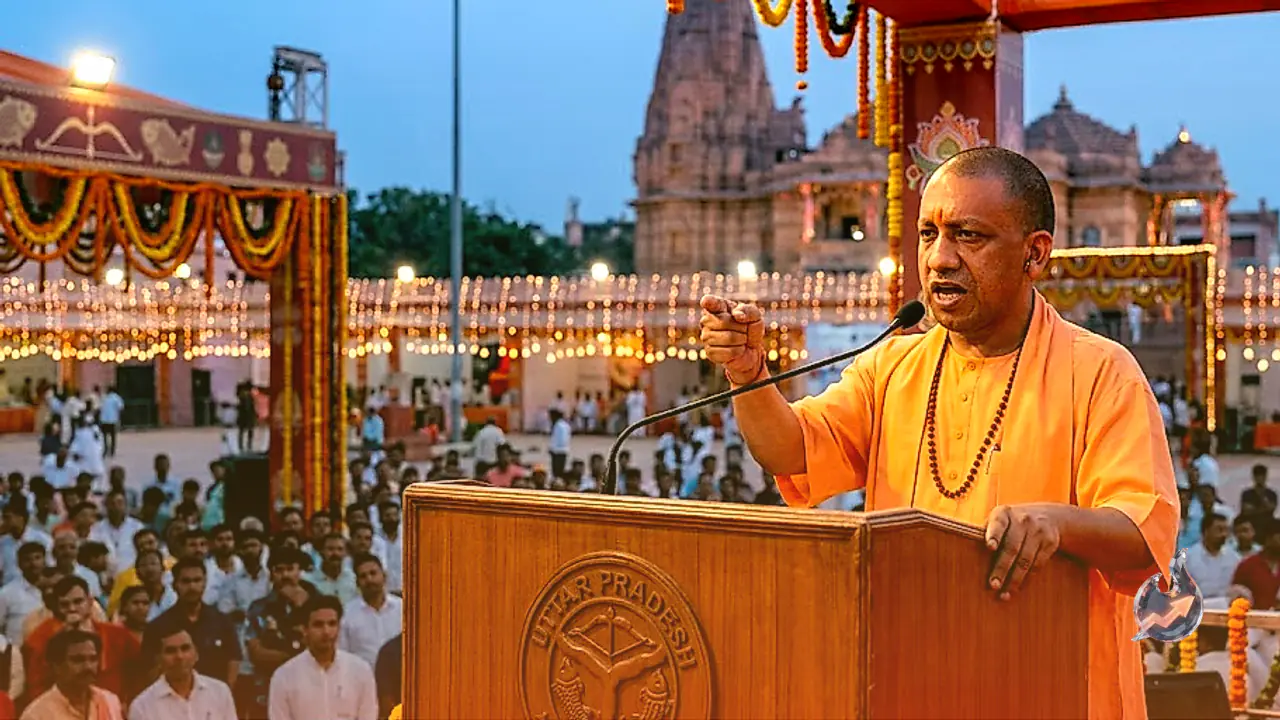

















Marking the auspicious festival of Janmashtami in Mathura, Uttar Pradesh Chief Minister Yogi Adityanath delivered a powerful address emphasizing the resilience and eternal strength of Sanatan traditions. He stated that numerous attacks have been launched throughout history to erase Sanatan faith, yet none have succeeded, while those who dared to undermine it have ultimately been wiped out and reduced to dust.
Sanatan Faith and the Teachings of Lord Krishna
Yogi Adityanath noted that individuals who attempted to crush Sanatan beliefs are now completely forgotten. He underlined that across the Braj region and throughout India, the memories of Lord Krishna and Radha Rani continue to serve as a profound inspiration for everyone, fostering an enthusiastic environment for future generations to progress.
The Chief Minister recalled that the declarations made by Lord Krishna some 5,200 years ago remain entirely relevant today. To uphold this timeless relevance, righteous forces will be protected under all circumstances. However, he warned that anti-national and anti-social elements attempting to sow discord in society and damage India's unity, integrity, and faith will inevitably face the fate that Lord Krishna foretold millennia ago.
The Inevitable Fate of Kansa and Historical Invaders
The Chief Minister emphasized that lack of faith and negativity consistently lead toward decline. Regardless of how powerful temporary aggressive forces attempt to portray themselves, a downfall mirroring Kansa is guaranteed for them, and no one can prevent it. This core conviction and unwavering faith have sustained Sanatan strength over the past 5,000 years, offering fresh inspiration for continuous growth.
He added that under the leadership of Prime Minister Narendra Modi, the country is witnessing a remarkable synthesis of India's ancient heritage and modern progress, best exemplified by the magnificent Kashi Vishwanath Dham in Varanasi. A decade ago, obtaining such a grand and divine complex for Baba Vishwanath was merely a distant dream.
The Transformation of Ayodhya
Describing the rapid evolution of Ayodhya, the Chief Minister remarked that visiting the city today evokes the divine presence of Lord Ram and brings back memories of the Treta Yuga. Ten years ago, Ayodhya suffered from severe infrastructural neglect, featuring poor roads, inadequate electricity and water supplies, heaps of garbage, and a single railway line that left pilgrims in distress.
In stark contrast, roughly 100,000 devotees now visit Ayodhya Dham on any given day, with numbers surging between 500,000 and 5 million during major festivals like Ram Navami, Kartik Mela, Sawan Jhula, and Deepotsav, all managed smoothly. The city now boasts an international airport named after Maharshi Valmiki, extensive four-lane roadways including Bhakti Path and Ram Path, and robust double-line railway connectivity.
Addressing Critics and Detractors
Reflecting on historical context, he recalled that in 1528, foreign invaders sought to dismantle Sanatan heritage, yet those invaders are nowhere to be found today. With the magnificent construction of Lord Ram's grand temple in Ayodhya, the world's largest temple now stands tall. He remarked that individuals who dislike these developments are needlessly trying to defame Ayodhya, while believers rejoice in seeing Lord Ram safely re-enthroned in his rightful birthplace.