




















Though modern Ghaziabad is known as a bustling, densely populated metropolitan hub in the National Capital Region, its historical roots span several centuries. Around 286 years ago, the entire settlement was completely enclosed within four massive walls and imposing entry gates. The local civic administration has now taken a significant decision to bring back that forgotten grandeur. A comprehensive blueprint has been prepared to preserve the ancient gates and the historic Town Hall, which have long been the core identity of the old city. Through this new initiative, the municipal corporation aims not only to save these heritage structures from crumbling but also to refresh the memories of the older generation while deeply connecting the youth with their original history. The entire project is seen as a dedicated effort to re-establish the cultural significance of the city.
Foundations Linked to the Mughal Era
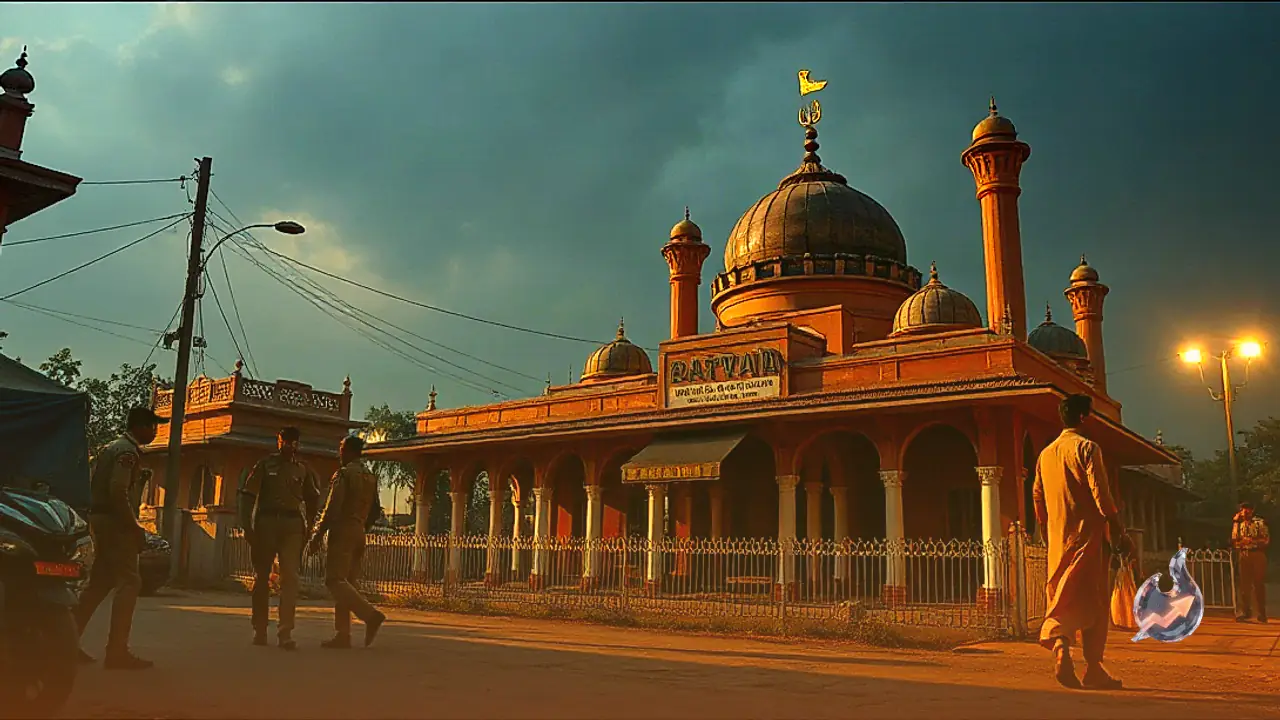
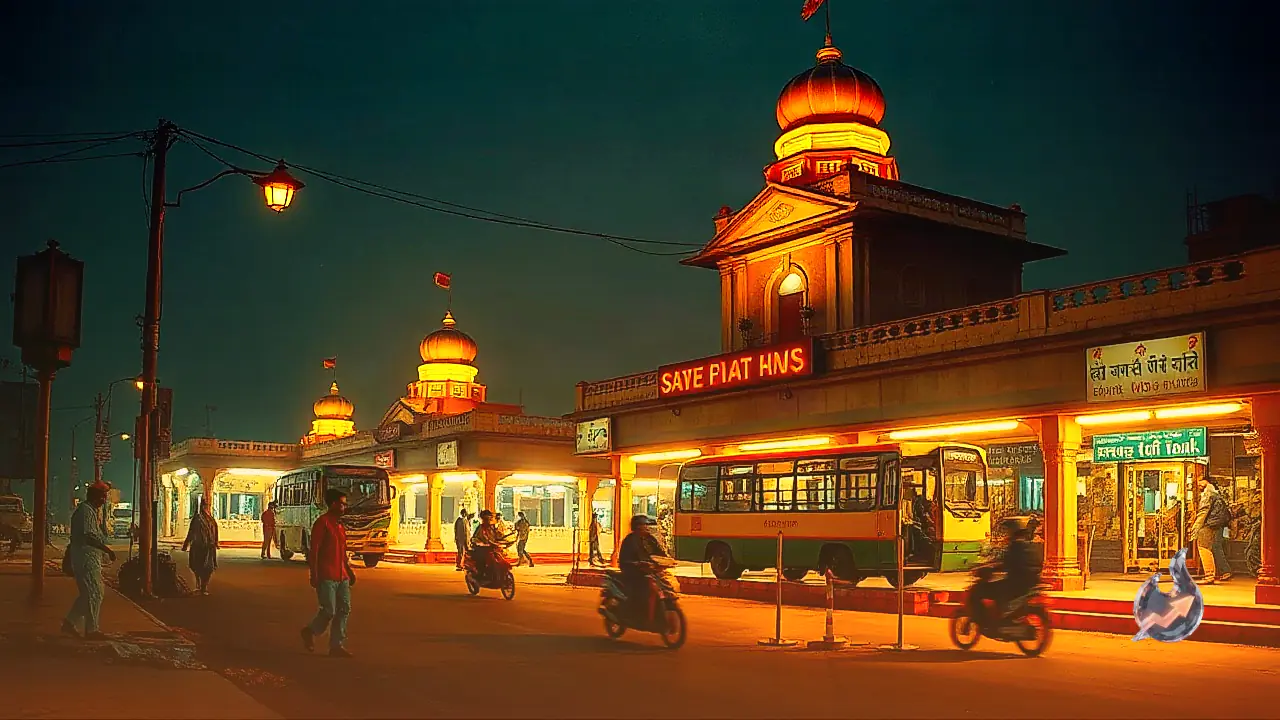
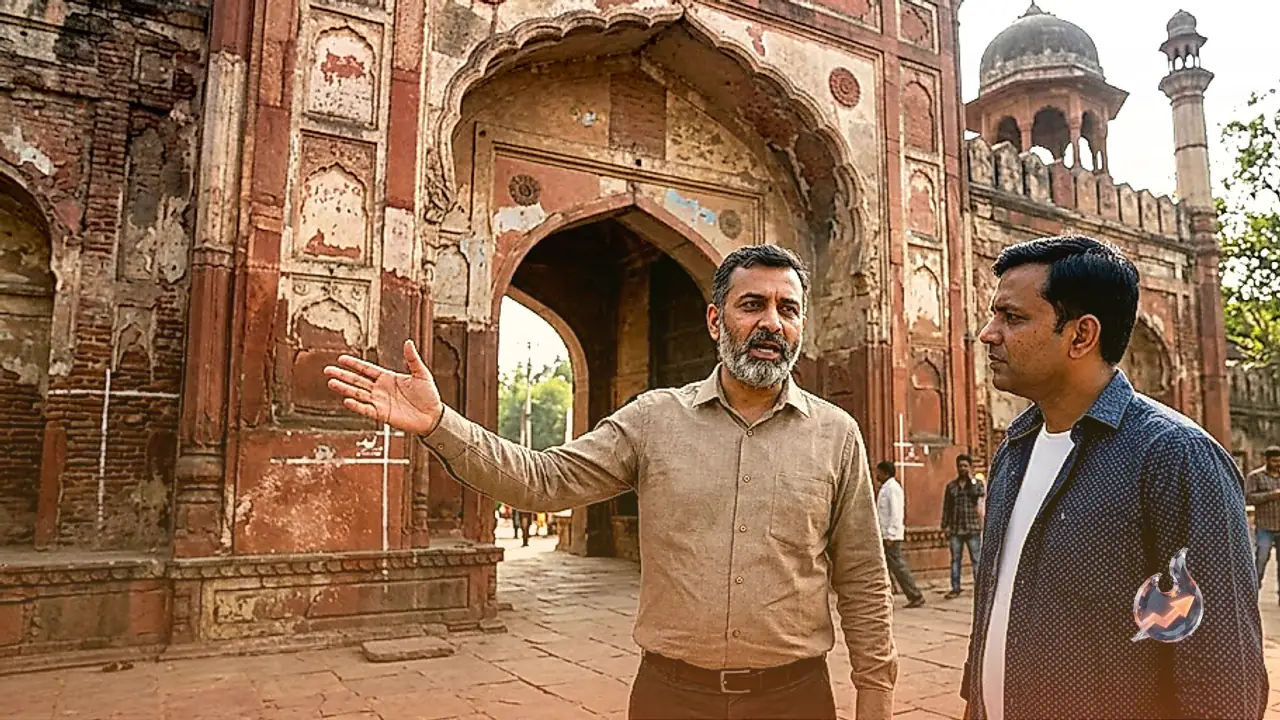
The original name of this place was Ghaziuddinnagar, which eventually evolved into Ghaziabad. It was founded around 1740 by Ghaziuddin, a trusted minister of the Mughal Emperor Muhammad Shah. During that era, keeping external invasions and tight city security in mind, the entire area was fortified with four large and robust entrance gates. These historical entryways were named Delhi Gate, Dasna Gate, Sihani Gate, and Shahi Gate. At that time, these gates served as the actual boundaries of the city, and everything from commercial trade to the daily movement of ordinary people passed strictly through these routes. Even today, the most densely populated neighborhoods of the old city can be found clustered around these specific landmarks. As time passed and eras changed, Shahi Gate received a new identity and is currently recognized by everyone as Jawahar Gate.
One Ancient Gate Lost to Urbanisation
As time marched on, the population grew rapidly, and modern development gathered immense pace, taking a severe toll on all these ancient structures. Out of the four historical gates that once guarded the entire settlement, only three stand firmly on the ground today. This surviving list includes Delhi Gate, Dasna Gate, and Jawahar Gate. Unfortunately, the fourth entrance, Sihani Gate, fell victim to relentless urbanisation and decades of administrative neglect, leading to its complete destruction. Today, there is no physical structure left of Sihani Gate; it survives only in the nostalgic tales of local elders and within the pages of history books. The condition of the remaining three gates was also far from ideal, and they had been demanding proper maintenance and urgent repairs for a very long time. Observing this dire necessity closely, the municipal corporation has finally stepped up to safeguard the surviving framework.
Initial Survey Completed for Beautification
The Ghaziabad Municipal Corporation, through its construction wing and various heritage experts, has undertaken the responsibility of rejuvenating and beautifying the three remaining gates. Currently, the extensive initial survey conducted by the concerned officials has been fully completed. The primary objective of this entire scheme is to ensure that while repairing the historical monuments, their ancient architecture, intricate carvings, and original structural integrity remain entirely untouched. By keeping the old bricks, traditional style, and authentic design exactly as they were, these monuments will be reinforced using modern conservation techniques. The administration expects that this major transformation will bring back the lost charm of the older parts of the city, turning it into a major center of attraction for both local residents and visiting tourists.
Construction Tender Issued for Town Hall
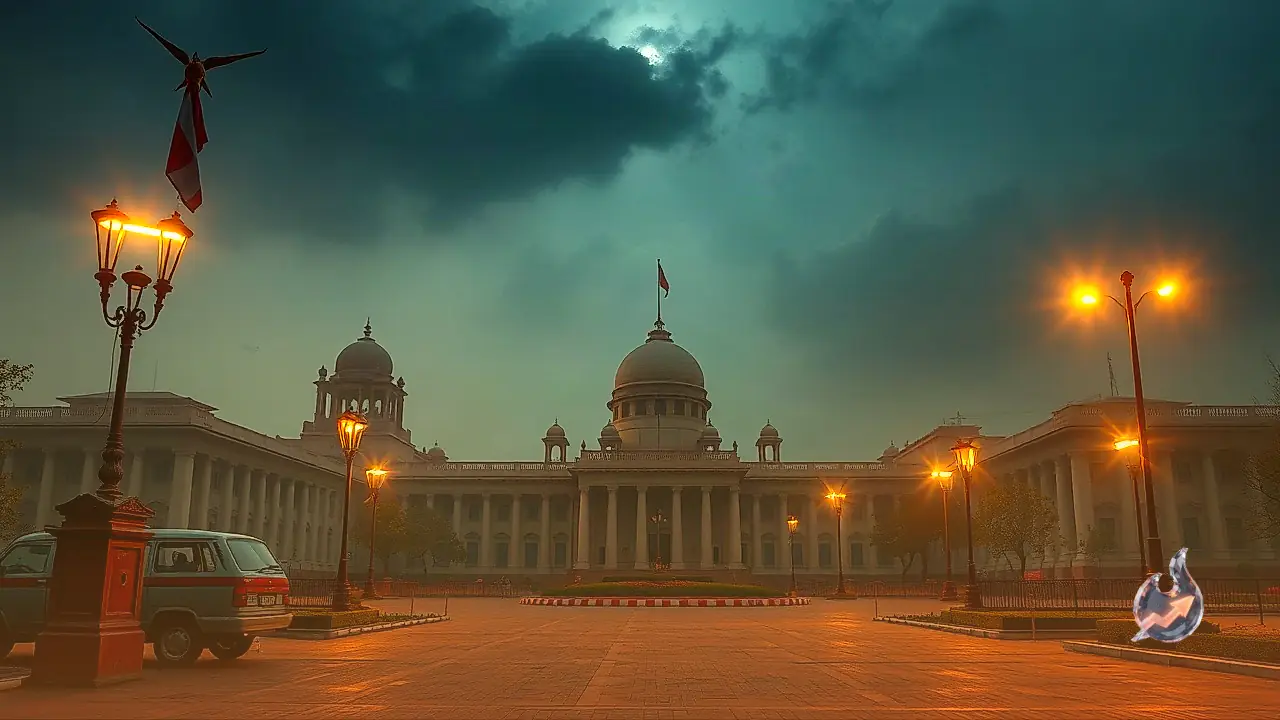
In addition to the conservation of the entrance gates, rapid progress is being made toward giving a fresh lease of life to another historic landmark of the city, the Town Hall. Municipal Commissioner Vikramaditya Singh Malik shared detailed information regarding this crucial project. He clarified that to execute this entire campaign scientifically, the assistance of an expert heritage conservation agency was enlisted. This specialised agency has successfully prepared a Detailed Project Report (DPR). According to him, the tender process for the Town Hall has officially commenced, and the actual construction work will be visible on the ground very soon. This comprehensive project has been officially sanctioned under the ambitious 'Mukhyamantri Vaishvik Nagaroday Yojana' of the state government, with dedicated funds being allocated for the same. The administration firmly believes that this step will allow the younger generation to closely understand their city's roots, its rich culture, and its ancient dignity.