






















The banks of the Gomti River in the Sultanpur district of Uttar Pradesh conceal a deeply rich archaeological and historical legacy associated with the era of Lord Buddha. Key sites across the region, including Bhaddaiya, Dhammaur, and Kudwar Gadha, have repeatedly yielded ancient Buddhist sculptures and historical artifacts over the decades. According to senior journalist Vikram Brijendra Singh, after 1857 AD, when British official Millet was compiling the land settlement report for Sultanpur district, he uncovered several statues of Buddha embedded within mounds dating back to the reign of Emperor Kanishka. This significant archaeological discovery is also detailed in the historical treatise India in Time of Patanjali.
Etymological Links and Kushan Empire Footprints in Bhaddaiya and Dhammaur
In his settlement documentation, Millet noted that the name Bhaddaiya directly reflected the traditions of Bhadrayan and Buddhayan. Similarly, the term Bhadrani evolved into the vernacular form Bhadaon, which served as a prominent Akbar-era mahal within pargana Asal. The Buddhist statues discovered in Bhaddaiya offer concrete evidence of governance by the Shaka and Kushan dynasties in this region, confirming a strong presence of Buddhist followers in Sultanpur during that epoch.
Much like Emperor Ashoka of the Maurya Dynasty, Emperor Kanishka played a pivotal role in disseminating Buddhist philosophy and constructing monastic complexes known as Buddhist viharas. Consequently, researchers Millet and Vaneatt identified numerous elevated mounds across Sultanpur as the structural remains of ruined ancient viharas. Furthermore, the Sanskrit word Dharma shifted to Dhamma in Pali, the language predominantly spoken during Buddha's era. This linguistic lineage indicates that Dhammaur and its immediate surroundings functioned as a major hub for spreading Buddhist culture.
Smuggling Threats and the Excavation of Gadha Site
Historical antiquities and scattered sculptures from the Buddhist and post-Buddhist eras are found across several villages neighboring Dhammaur, including Bhandra, Narhi, Bhati, Shanichara, Somnabhar, Kur Mandir, Haji Patti, and Tikri Dikhauli. Unfortunately, over the years, art smugglers looted a significant portion of these priceless artifacts due to a lack of security, though several historical remnants remain visible today.
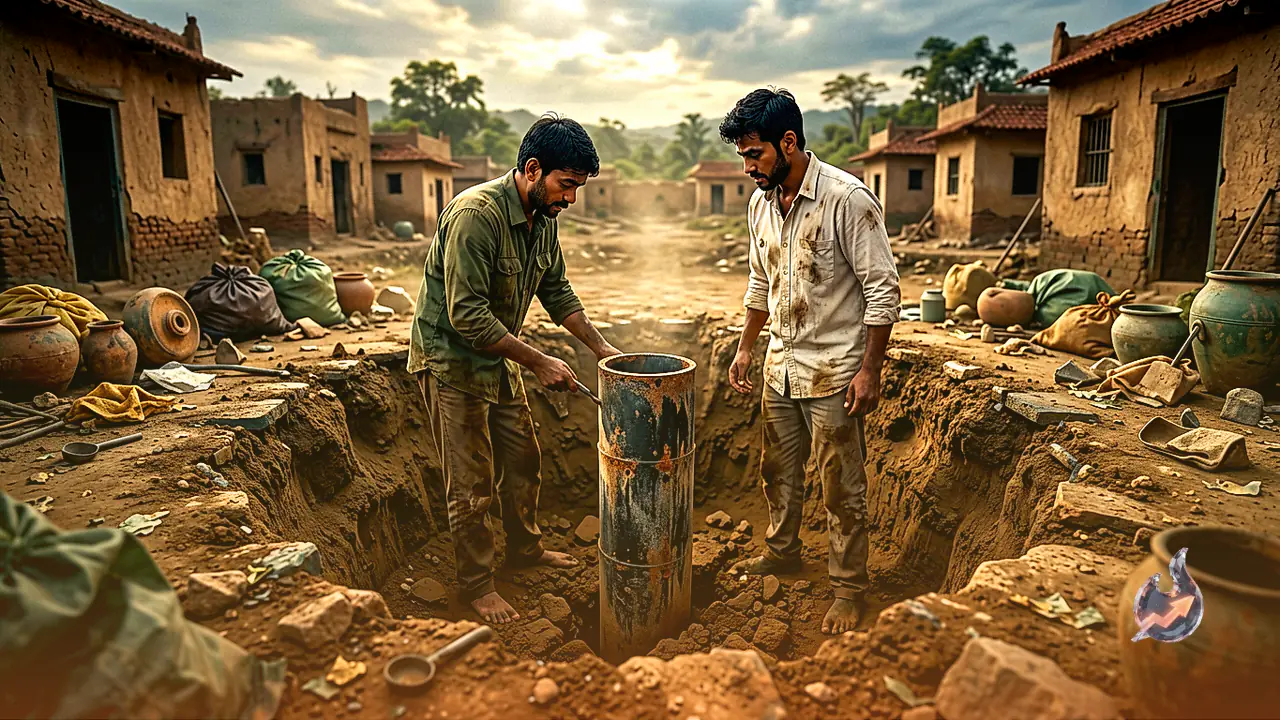
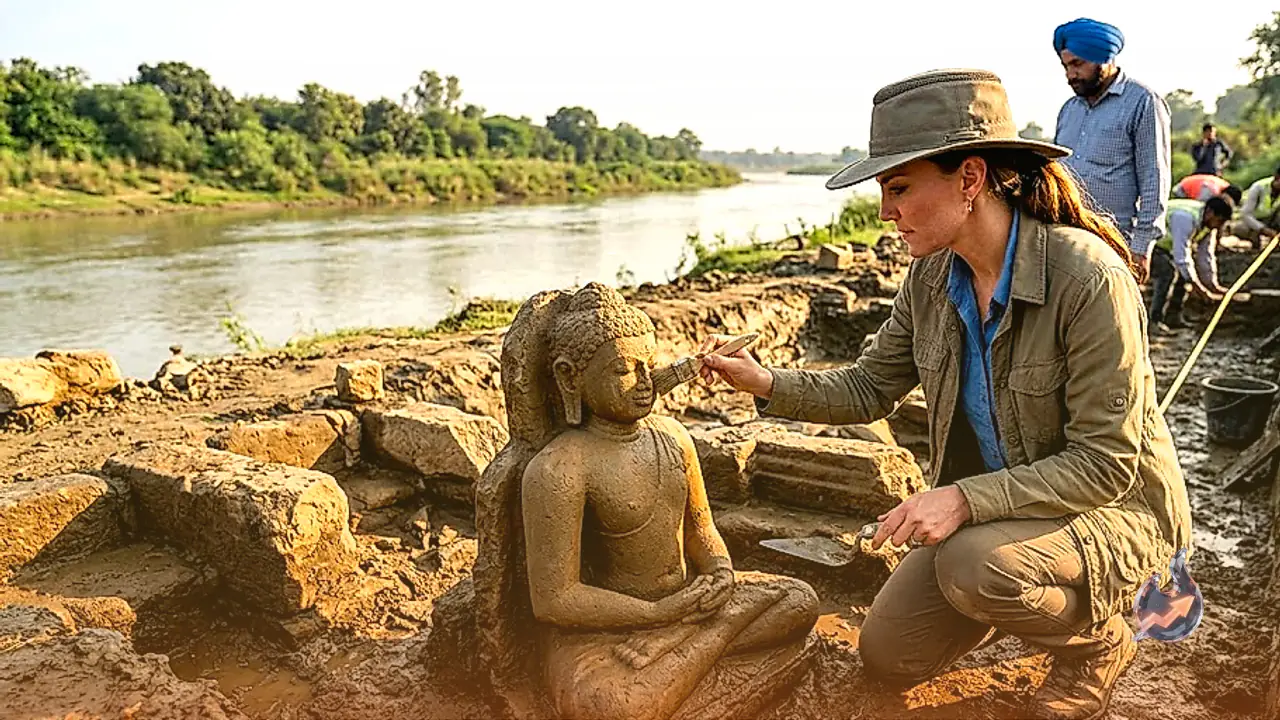
Local resident Bharatdas highlighted that in 1985-86, the Archaeological Survey of India conducted formal excavations at the Gadha site. The dig unearthed Buddha statues and concrete structural evidence, reinforcing Gadha's historical prominence. Regrettably, successive administrations neglected the ancient heritage spot, leaving it without substantial conservation or infrastructure development.
Gautam Buddha's Discourse to Kalam Dynasty Kshatriyas on Gomti Riverbank
At the Gadha Ashram, the lingering presence of traditional Lakhauri bricks serves as undeniable proof of the site's antiquity. According to historical traditions, Lord Gautam Buddha delivered spiritual sermons to the Kalam dynasty Kshatriyas at this very location. This event is documented in the historical record Gazetteer of Oudh 1903.
Geographically, this heritage site lies approximately 15 kilometers from the Sultanpur district headquarters within the Kudwar Grant Gram Sabha, perched along the eastern bank of the Gomti River. Scholars and local residents believe that proper conservation efforts could transform these neglected ruins into a prominent pilgrimage and heritage circuit.