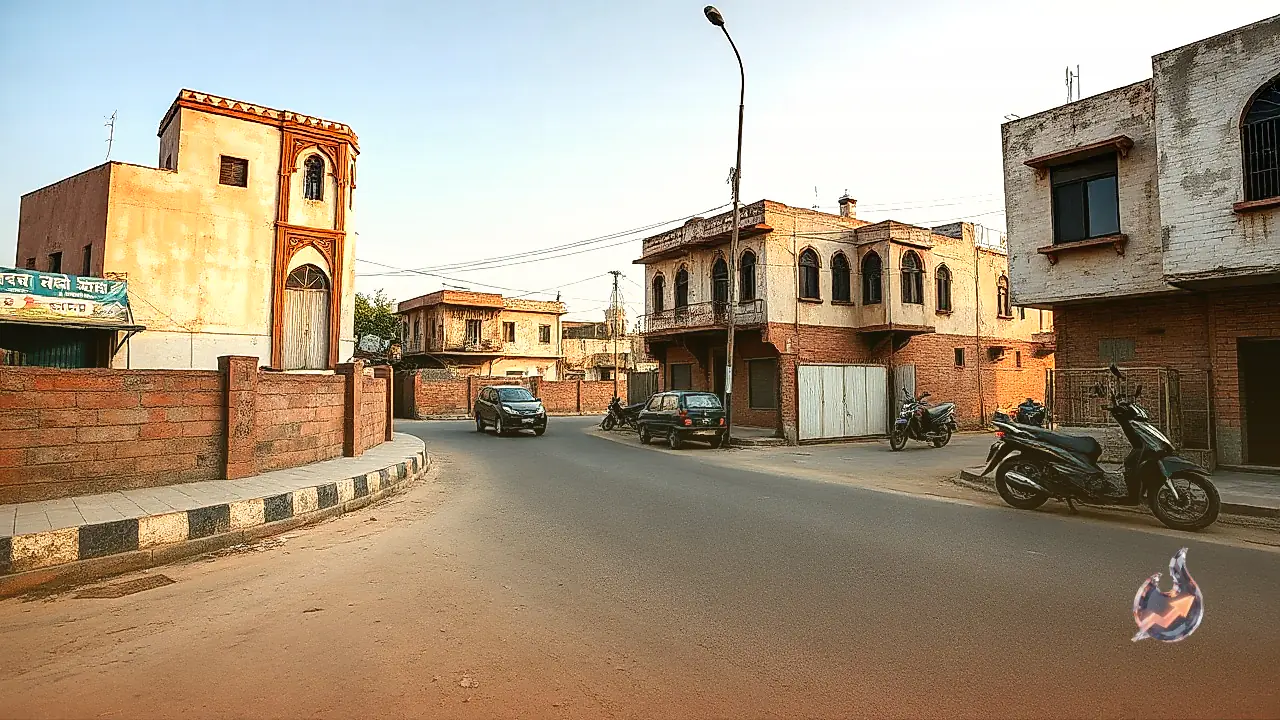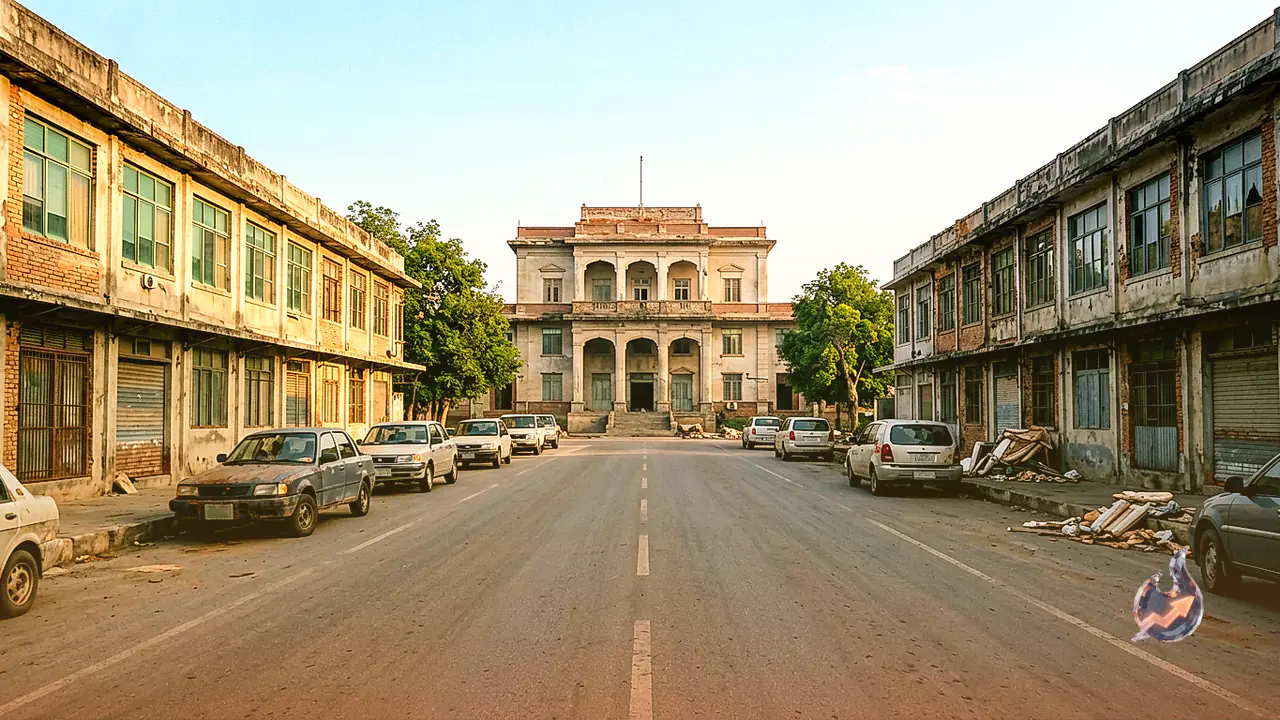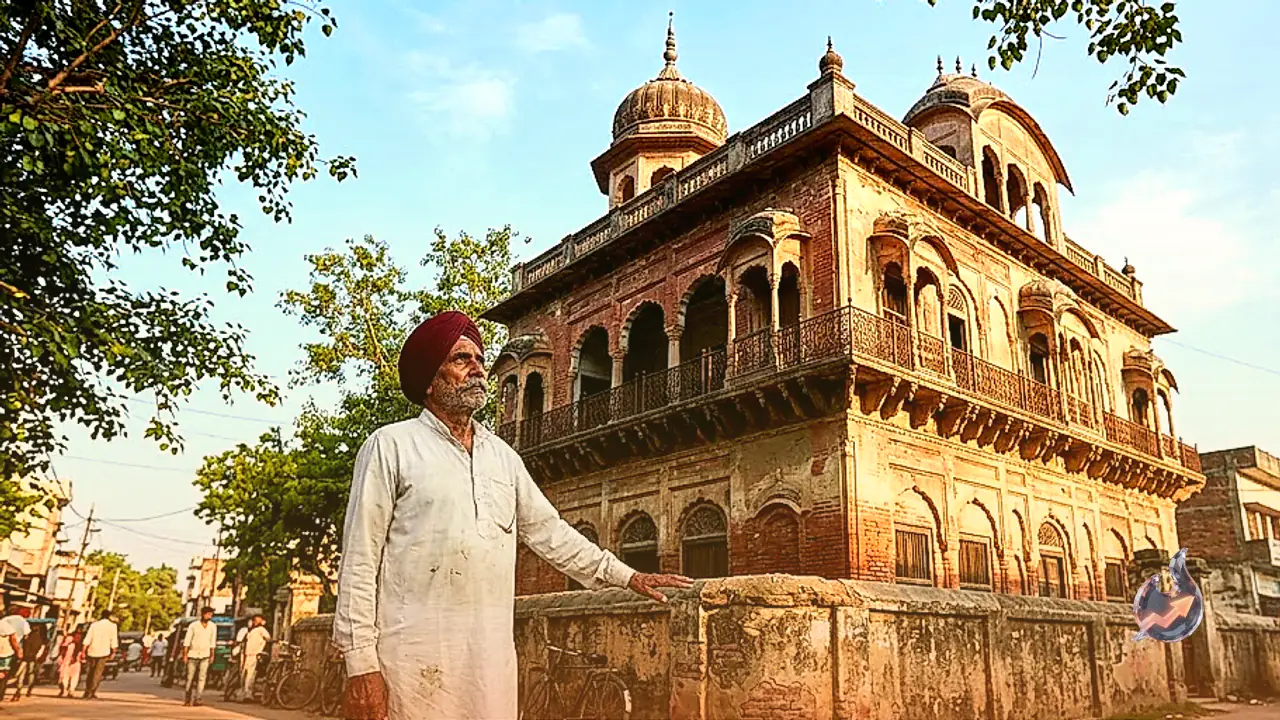




















The historic city of Saharanpur in Uttar Pradesh served as a vital sanctuary for freedom fighters during India's struggle for independence. It provided a safe haven where revolutionaries gathered to strategize against colonial rule. Among the most iconic chapters in its history is the deep connection with Shaheed-e-Azam Bhagat Singh. When the British administration deployed an extensive intelligence network to apprehend him, Bhagat Singh evaded capture by taking shelter inside a local temple, ensuring the continuation of the liberation movement.
Refuge in Saharanpur Following the Lahore Operation
In 1928, after the assassination of British police officer Saunders in Lahore, Bhagat Singh successfully slipped past heavy colonial military deployment and arrived in Saharanpur. He sought refuge at the Phulwari Ashram. However, intelligence operatives of the British administration soon caught wind of his presence in the city, prompting authorities to lay a tight dragnet across the area. Recognizing the impending danger, Lalita Prasad Akhtar, a key associate from Bhagat Singh's revolutionary organization, stepped forward to assist him in securing a safe hiding spot.
A Day of Hardship Inside the Temple Dome
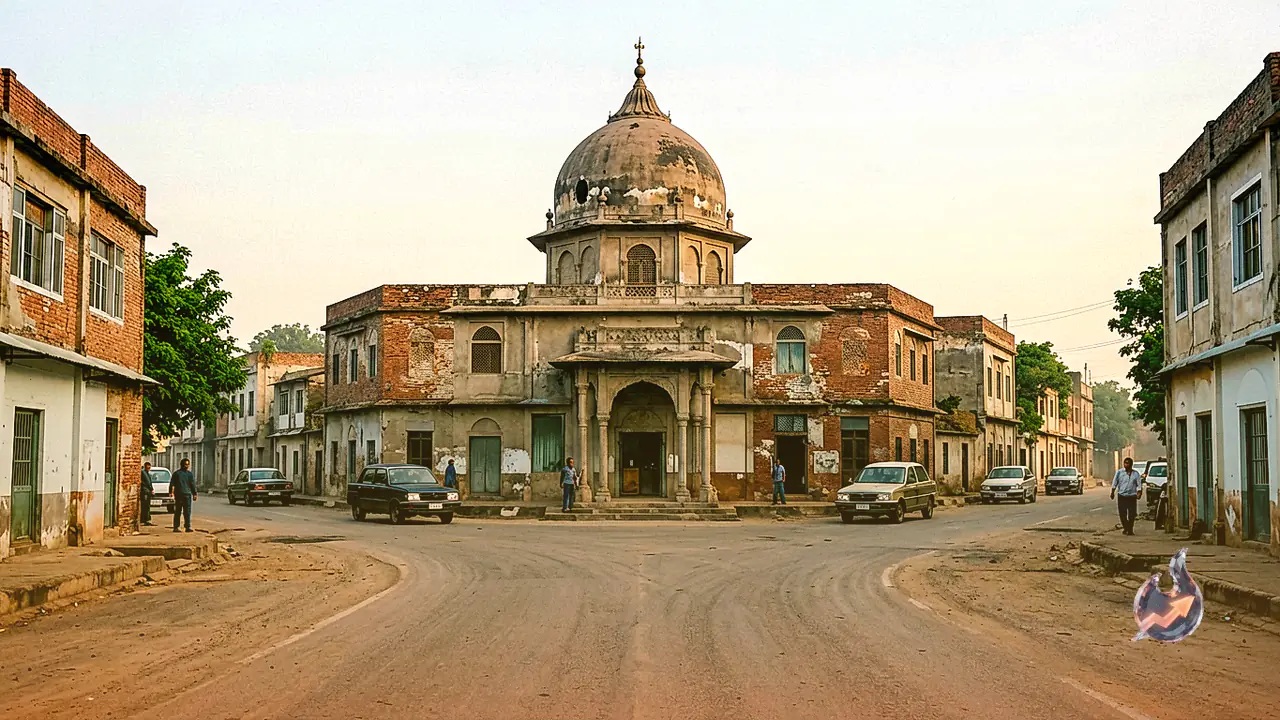
According to literary scholar Dr. Virendra Azam, upon receiving news that British police were approaching the ashram, Bhagat Singh was ushered into the dome of the Thakur Ji Temple located within the ashram complex. Colonial forces thoroughly searched the surrounding premises but failed to locate him inside the structure. Bhagat Singh remained concealed in the narrow dome for an entire day without food or water. Once the police watch eased and the security cordon was removed, he quietly escaped toward Punjab alongside fellow revolutionaries.
Establishing a Bomb Factory and Expanding the Movement
Bhagat Singh's association with Saharanpur did not end with his escape from Phulwari Ashram. To strengthen the armed resistance against imperial rule, he visited Saharanpur on three subsequent occasions. During these visits, he established a covert bomb manufacturing factory to supply explosives for revolutionary operations. Today, the Phulwari Ashram and its Thakur Ji Temple stand as enduring monuments to India's freedom struggle and the heroic endurance of its martyrs.