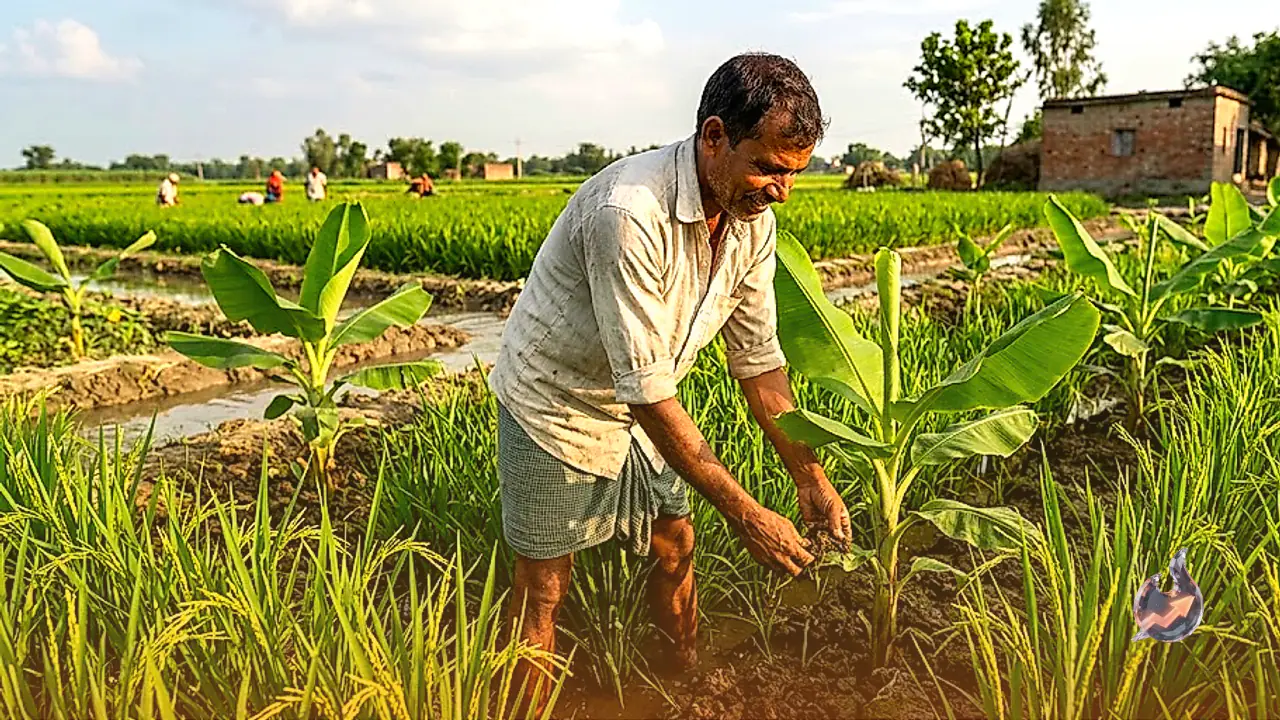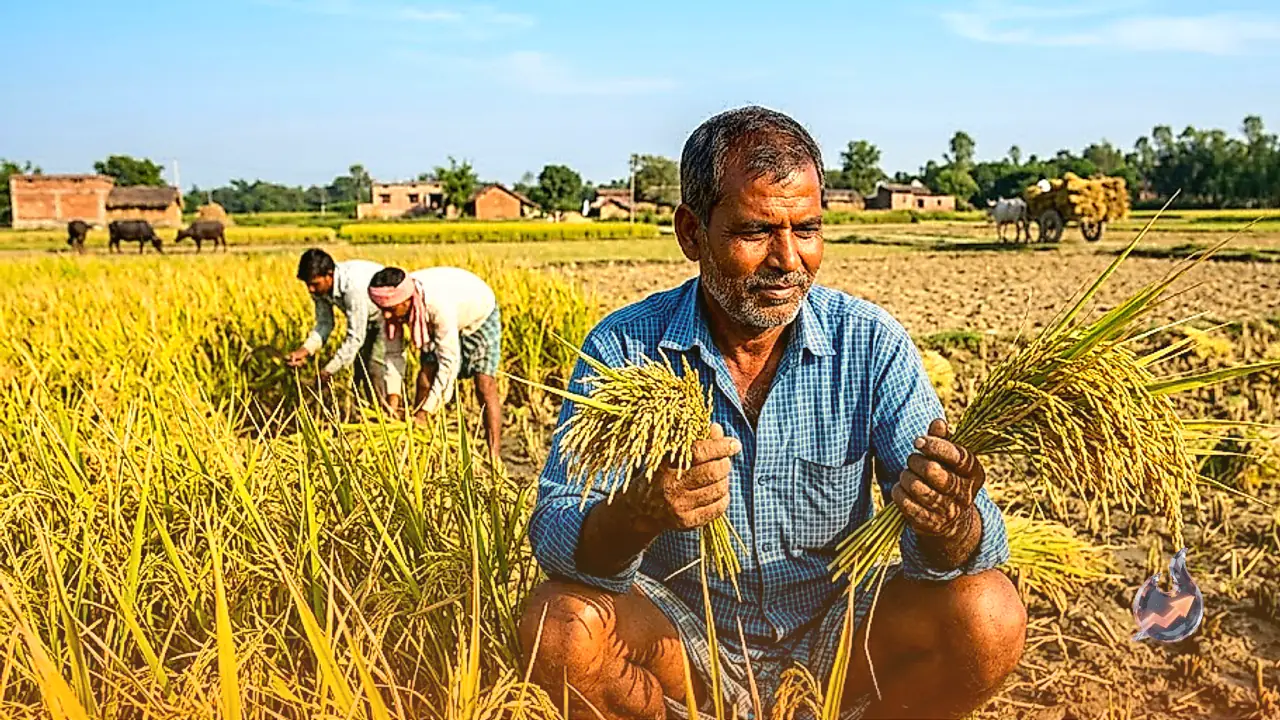
























Farmers in Lakhimpur Kheri district of Uttar Pradesh rely heavily on paddy cultivation for their livelihood. While rice farming provides strong economic returns, the rainy season in August brings a major challenge in the form of rapid weed growth. If weeds are not managed during the early stages following transplanting, crop yield can suffer significant damage.
Impact of Weed Growth on Paddy Yield
Frequent rainfall during August keeps the soil moist, while warm weather creates ideal conditions for weeds to proliferate quickly. Wild grasses, nutgrass, and broad-leaved weeds compete aggressively with young paddy plants for sunlight, water, and soil nutrients. Agricultural experts caution that failing to control these unwanted plants can lead to a 20% to 30% decline in total crop yield. Furthermore, leaving weeds unmanaged in the current season creates lingering problems for subsequent crop cycles in the same fields.
Critical Window for Weed Management
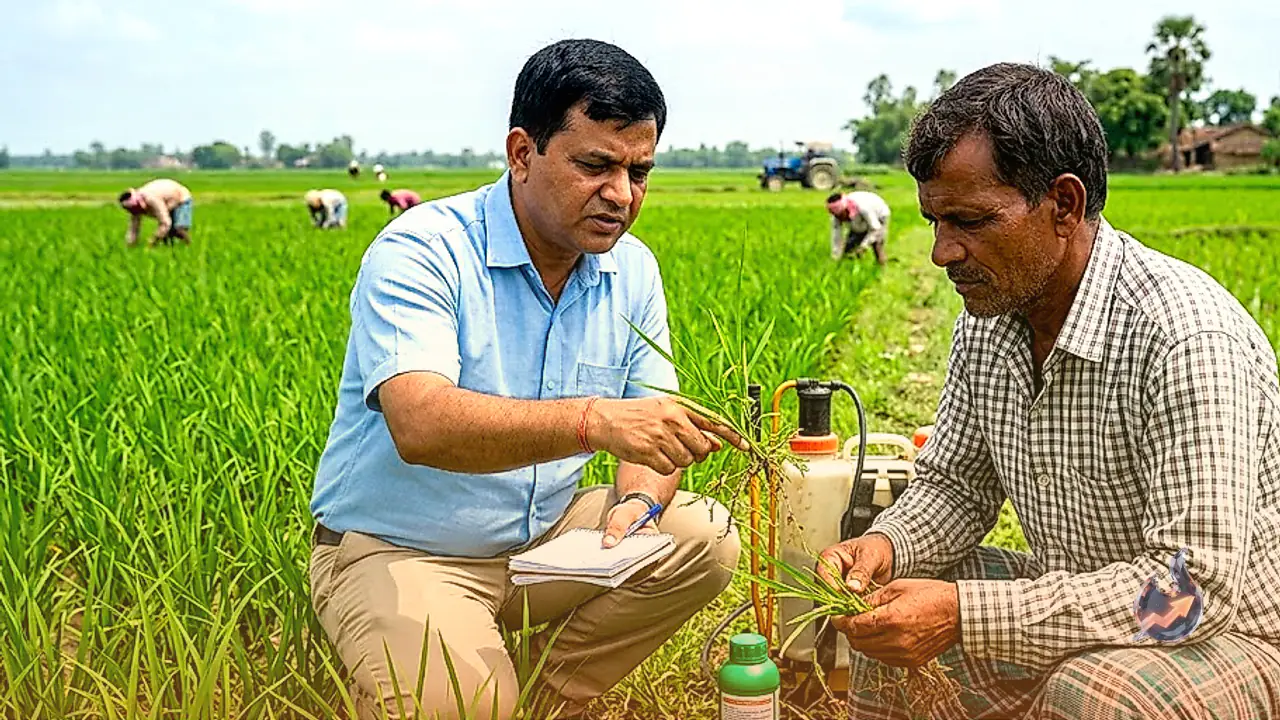
The first 30 to 45 days after paddy transplanting represent the most vital period for effective weed control. In the Terai region, including Lakhimpur Kheri, many farmers resort to manual weeding to protect their fields. However, manual weeding can be labor-intensive and slow over larger acreage. Addressing this concern, agricultural scientist Dr. Pradeep Bisen advises farmers to utilize targeted weedicides to keep fields clean and productive.
Recommended Chemical Solutions by Dr. Pradeep Bisen
To eliminate weed competition effectively, agricultural scientist Dr. Pradeep Bisen recommends spraying Bispyribac Sodium 10% SC and Metsulfuron Methyl + Chlorimuron Ethyl in paddy fields. The combination of Metsulfuron Methyl + Chlorimuron Ethyl is specifically effective against broad-leaved weeds as well as certain varieties of nutgrass, ensuring healthy paddy growth.
Best Practices and Precautions for Spraying
Achieving optimal results from weedicide application depends on correct field practices and weather conditions. Chemical spraying should ideally be performed under light to moderate sunlight, which allows the leaves to absorb the medicine efficiently while enabling better adhesion. Farmers should avoid spraying during scorching sunlight, heatwaves, or extremely high temperatures, as harsh conditions degrade chemical efficacy and risk injuring the paddy crop. Additionally, spraying must not be conducted when there is a risk of immediate rain or during strong winds. Using high-quality spray nozzles is also essential to ensure uniform chemical coverage across the entire field.