
























Moradabad Jail Inmates Learn Craftwork, Earn Up to 12000 Rupees Monthly Making Handbags and Home DecorUttar Pradesh
21 Sept 2026, 8:25 am (2 hours ago)· 0

Moradabad Jail Inmates Learn Craftwork, Earn Up to 12000 Rupees Monthly Making Handbags and Home Decor

Female inmates in Moradabad District Jail are gaining economic independence by crafting designer handbags, decorative lamps, and interior ornaments through an NGO training initiative.

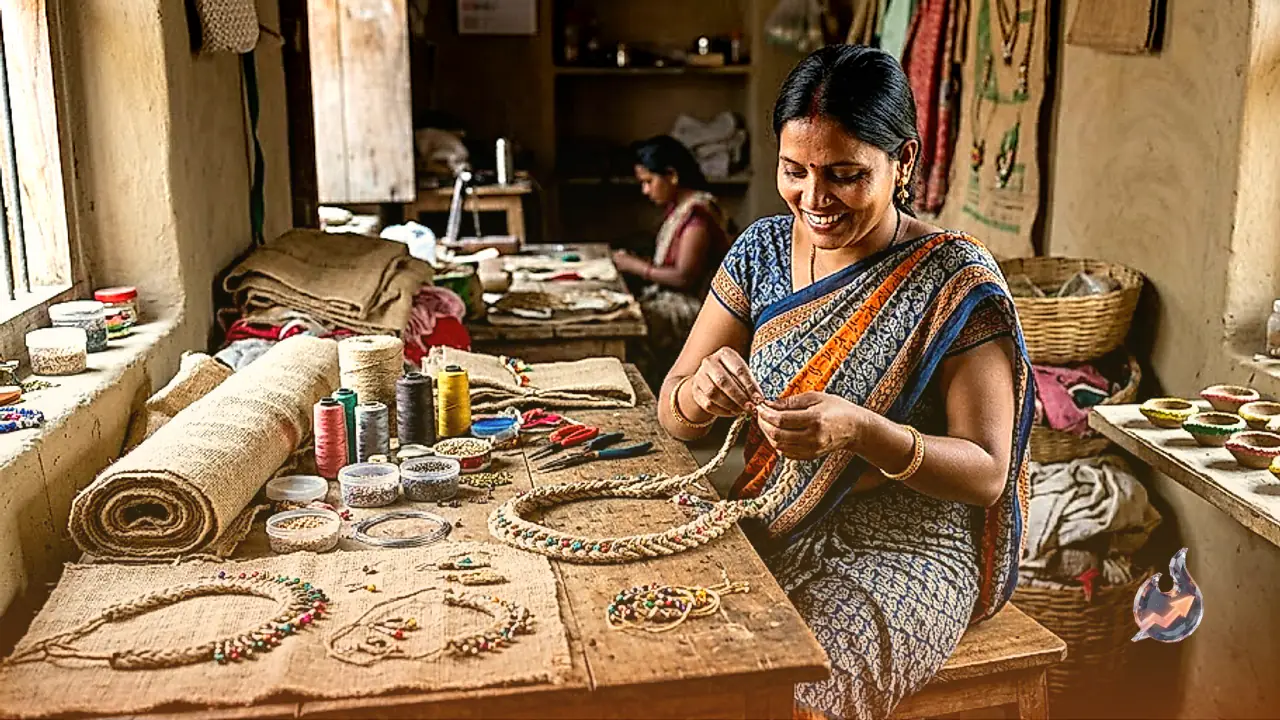
Inside the walls of Moradabad District Jail, female inmates serving sentences are transforming their daily routines through structured vocational activities. Moving past the routine monotony of incarceration, these women are actively engaged in producing diverse varieties and creative patterns of women's handbags. With administrative facilitation and civil society partnerships, the finished goods are channeled into external markets for commercial sale, generating consistent earnings that directly bolster their personal finances.

Vocational Training and Daily Workshop Participation

According to Krishna Kumari, Deputy Jailer at Moradabad District Jail, approximately 20 to 22 women are actively participating in stitching and tailoring work inside the complex. Over the past two to three months, the scope of their workshop has widened considerably. Beyond tailoring multiple styles of fashionable bags, the participants are now receiving practical lessons in crafting decorative lamps along with various home decoration accessories.

Also read

Non-Governmental Collaboration and Market Access

The structured skill-building project gained significant traction after the Jail Superintendent initiated outreach to a non-governmental organization to conduct systematic training. An instructor from the partner organization visits the correctional facility to guide the inmates through textile cutting, finishing, and craft assembly. The same non-governmental partner collaborates on logistics and commercial distribution outside the facility, allowing each engaged inmate to earn a dependable monthly profit ranging between 10,000 and 12,000 rupees.

Rehabilitation and Life Beyond Prison Gates

The rehabilitation initiative is designed to instill self-reliance and emotional confidence among the incarcerated women before their eventual release. Their steady monthly remuneration allows them to send funds home and support their families financially. Former inmates who mastered these practical trades while incarcerated have maintained their craft businesses after completing their terms, turning skills learned in prison into durable, dignified livelihoods in mainstream society.


Questions & Answers

What items are female inmates producing at Moradabad District Jail?
Inmates are crafting a variety of designer handbags for women, along with decorative lamps and home decor items.
How much are the female inmates earning per month from this initiative?
Participating inmates earn a monthly profit ranging between 10,000 and 12,000 rupees.
How many female prisoners are currently engaged in this training?
Presently, around 20 to 22 female inmates are actively learning and producing these craft items.
Who provides the craft and tailoring training to the inmates?
A visiting instructor from a non-governmental organization conducts the training through coordination initiated by the Jail Superintendent.
How are the completed goods marketed and sold?
Finished bags and decorative pieces are sent outside for commercial sale through the joint assistance of the jail administration and the partner NGO.
When did the inmates begin making lamps and home decor items?
According to Deputy Jailer Krishna Kumari, training in making lamps and home decor goods was added over the past two to three months alongside bag stitching.

Comments 5

Ravikash Gupta@ravikash·1h ago

This initiative at Moradabad Jail transcends basic rehabilitation, presenting an effective micro-enterprise model that equips inmates for post-release financial independence. A monthly earning of up to 12,000 rupees demonstrates that with proper institutional support and market linkages, correctional facilities can successfully function as small-scale manufacturing hubs. Integrating digital platforms and e-commerce for these handmade products in the future could significantly scale up their revenue and long-term livelihood security.

Carlos Mendoza@carlos-mendoza·1h ago

Expanding on this analysis, such correctional facility models serve as a compelling benchmark for criminal justice rehabilitation programs globally. While various correctional institutions incorporate inmate labor, decentralized micro-enterprise models focused on artisanal crafts and home decor directly address the reintegration challenges faced by female inmates upon release. Integrating these production units with broader commercial distribution channels can significantly enhance post-incarceration economic self-sufficiency and reduce recidivism rates over the long term.

Karan Malhotra@karan-malhotra·1h ago

The model of Moradabad jail inmates earning up to 12,000 rupees monthly through craftwork and bag manufacturing represents a concrete shift from punitive to corrective justice. Vocational training coupled with direct market linkage not only helps maintain security and discipline within correctional facilities but also significantly reduces recidivism rates upon the inmates' release.

Arjun Mehta@arjun-mehta·1h ago

This model underscores the efficacy of prison administration and civil society partnerships. When inmates acquire economic self-reliance and market-oriented skills, correctional facilities transform from punitive institutions into genuine centers of rehabilitation. Such reformative initiatives not only reduce internal tensions within prisons but also pave the way for sustainable livelihoods, effectively mitigating post-release social stigma.

Rohan Verma@rohan-verma·1h ago

This vocational rehabilitation model inside the Moradabad District Jail serves as a pragmatic framework that can be effectively replicated across correctional facilities in Uttar Pradesh. With female inmates earning up to 12,000 rupees monthly, the initiative not only provides vital financial support to their families during incarceration but also lays a strong foundation for their reintegration into society upon release. Expanding such institutional skill-development programs to other district jails will significantly advance long-term penological reform and post-release livelihood security across the state.

Citizen journalism

Become a TrendKia journalist

Voice of the people

Share news, photos and videos from your area with TrendKia and let your voice reach the nation. Every citizen a journalist.

Join now
CH 01 LIVE
TrendKia TV ON AIR
Chamar no WhatsApp