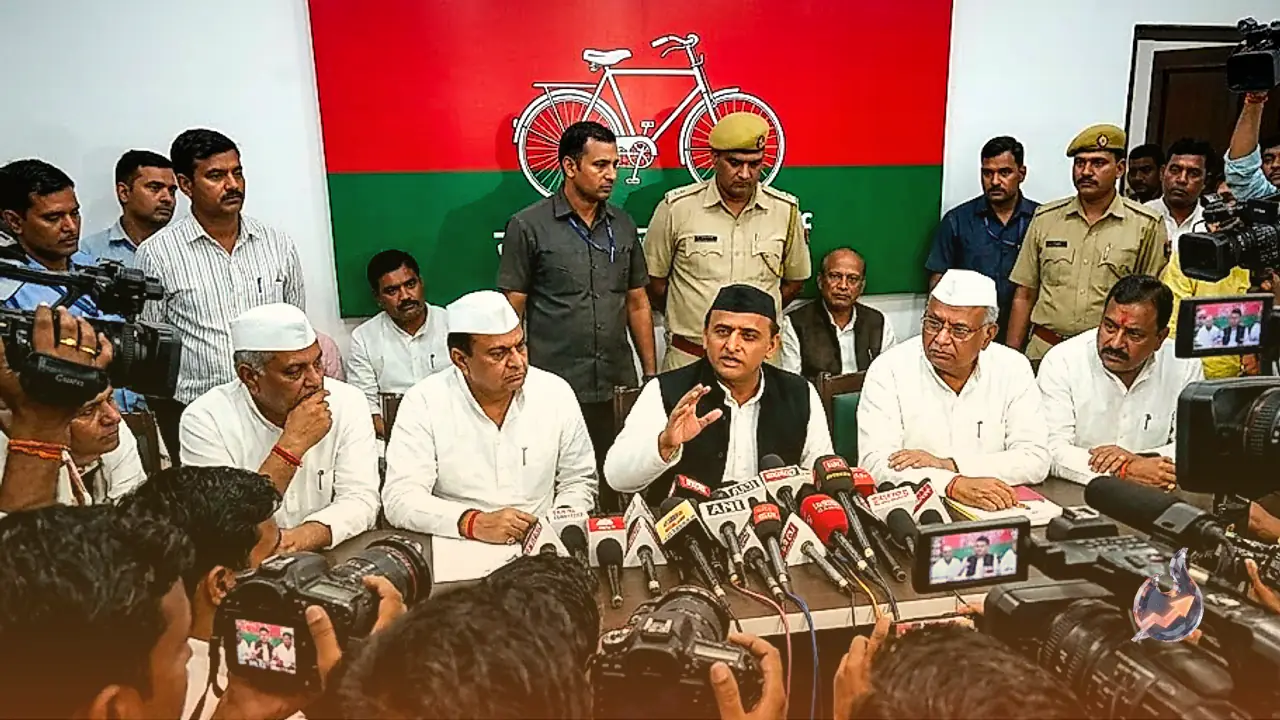

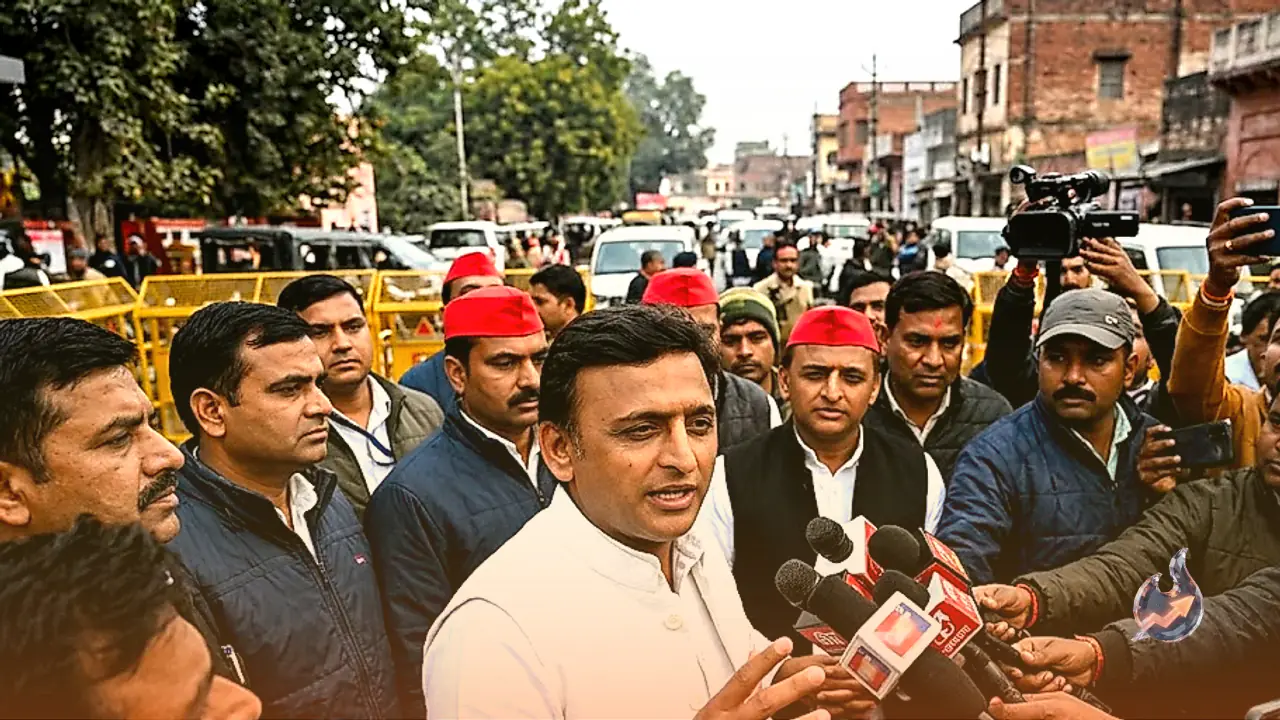
















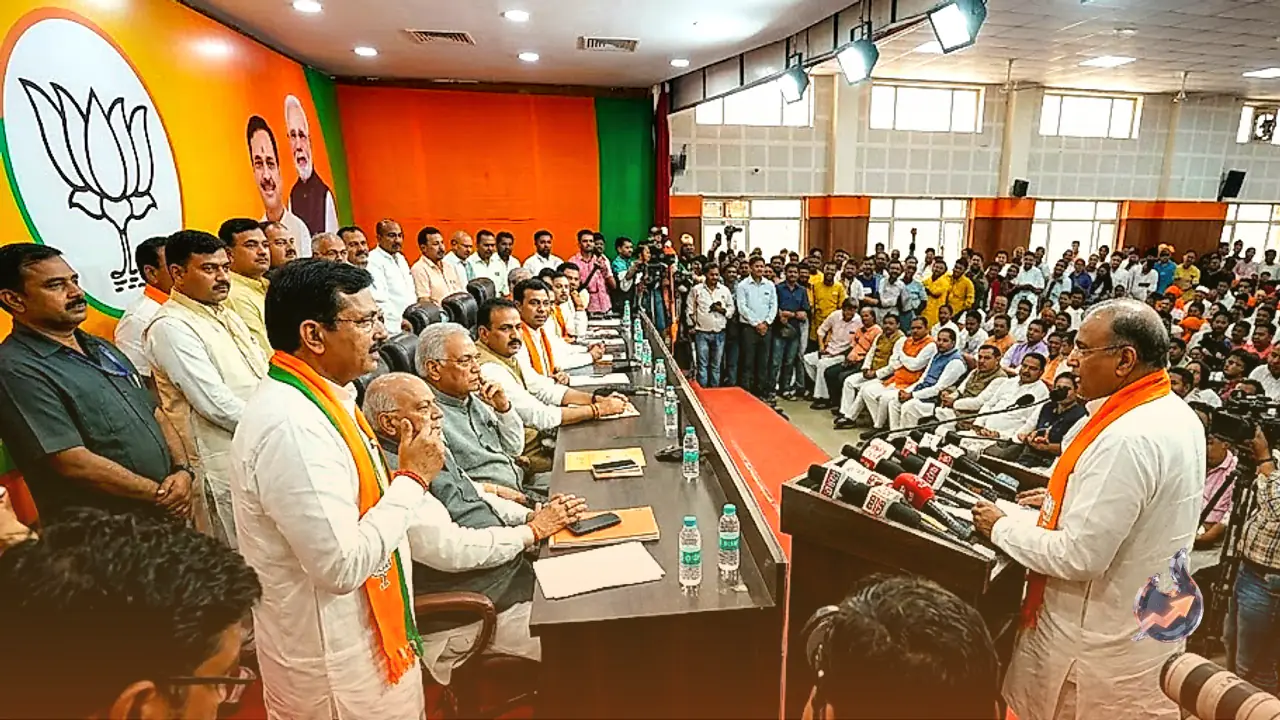

The Bharatiya Janata Party in Uttar Pradesh has officially announced its state working committee, structuring what stands as the largest state-level committee in the organization's history. Aimed at establishing broad organizational representation, the newly formed body includes Prime Minister Narendra Modi among 30 permanent invited members. Additionally, 134 leaders have been designated as special invited members. A notable inclusion in this high-level panel is 92-year-old veteran leader Dr. Murli Manohar Joshi, who has also been appointed as a permanent invited member of the state working committee.
Three Tier Structure Accommodating 712 Leaders
Released by state president Pankaj Chaudhary, the comprehensive state working committee list for 2026 encompasses a total of 712 political figures divided across three functional tiers. The breakdown comprises 30 permanent invitees, 134 special invitees, and 548 regular state working committee members. The appointments also reflect sudden tactical maneuvers and grievance management within the party rank and file. Sinod Shakya, a former legislator from Dataganj, joined the Samajwadi Party on Monday morning, yet the BJP named him a member of its state working committee by the evening. Similarly, Kaushal Kishore, who had recently appeared disgruntled with party functioning, has been inducted as a committee member. Meanwhile, Samajwadi Party chief Akhilesh Yadav had previously declared the timeline for releasing his party's Jan-Man manifesto.
Crucial Strategy Session in Lucknow on October 30
The newly reconstituted state working committee is scheduled to convene in Lucknow on October 30. Union Home Minister Amit Shah will attend this crucial meeting, which follows a preparatory session of state BJP office bearers planned for the preceding day. With the Uttar Pradesh assembly elections approaching in 2027, this extensive assembly and the direct participation of Amit Shah carry significant political weight.
Electoral Context and the Push for 2027
Amit Shah was initially appointed in-charge of the state's party operations back in 2013, an assignment that culminated in the BJP and its alliance partners securing 73 out of 80 parliamentary seats in Uttar Pradesh during the 2014 general elections. In contrast, the 2024 parliamentary contest saw substantial setbacks for the ruling party, with the INDIA bloc capturing 43 of the state's 80 constituencies. Samajwadi Party chief Akhilesh Yadav's PDA strategy proved effective, inflicting notable electoral erosion among Dalit and backward community voter bases. Ground-level worker discontent and substandard booth-level operations were also widely identified as key contributors to the defeat. To secure a third consecutive term in the state assembly, the party is now moving proactively to resolve operational deficiencies and consolidate its organizational machinery.