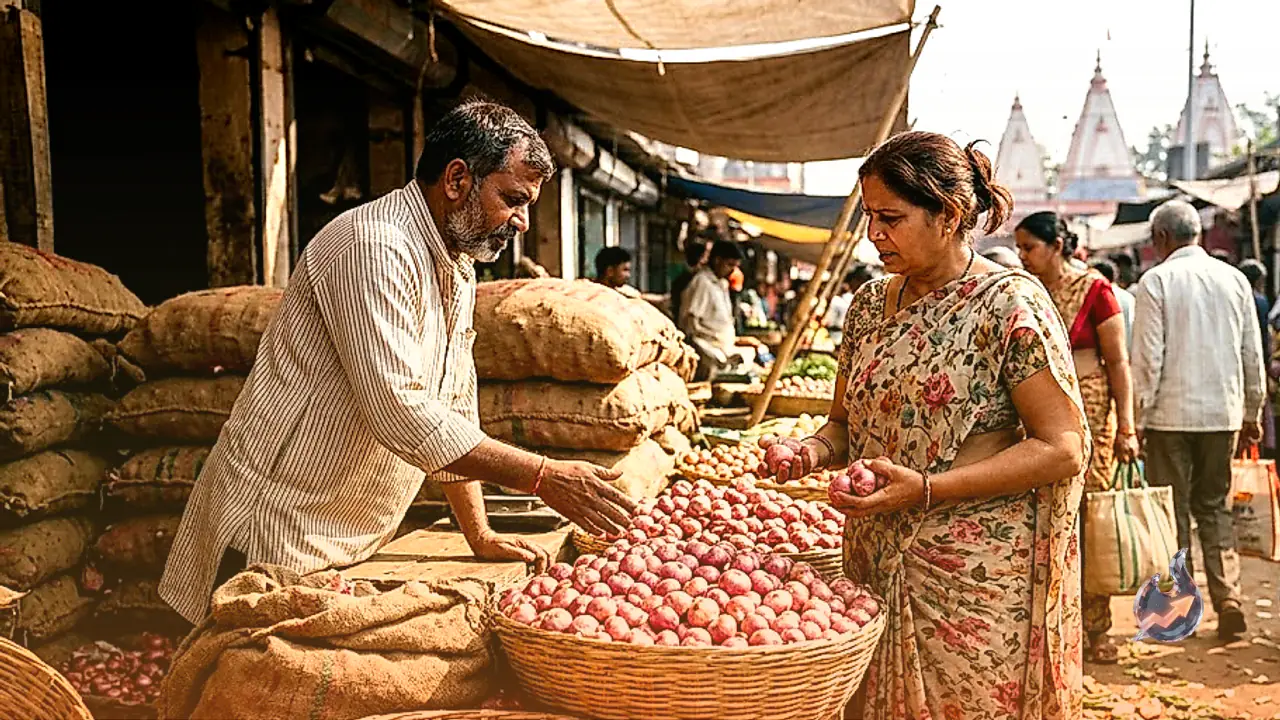



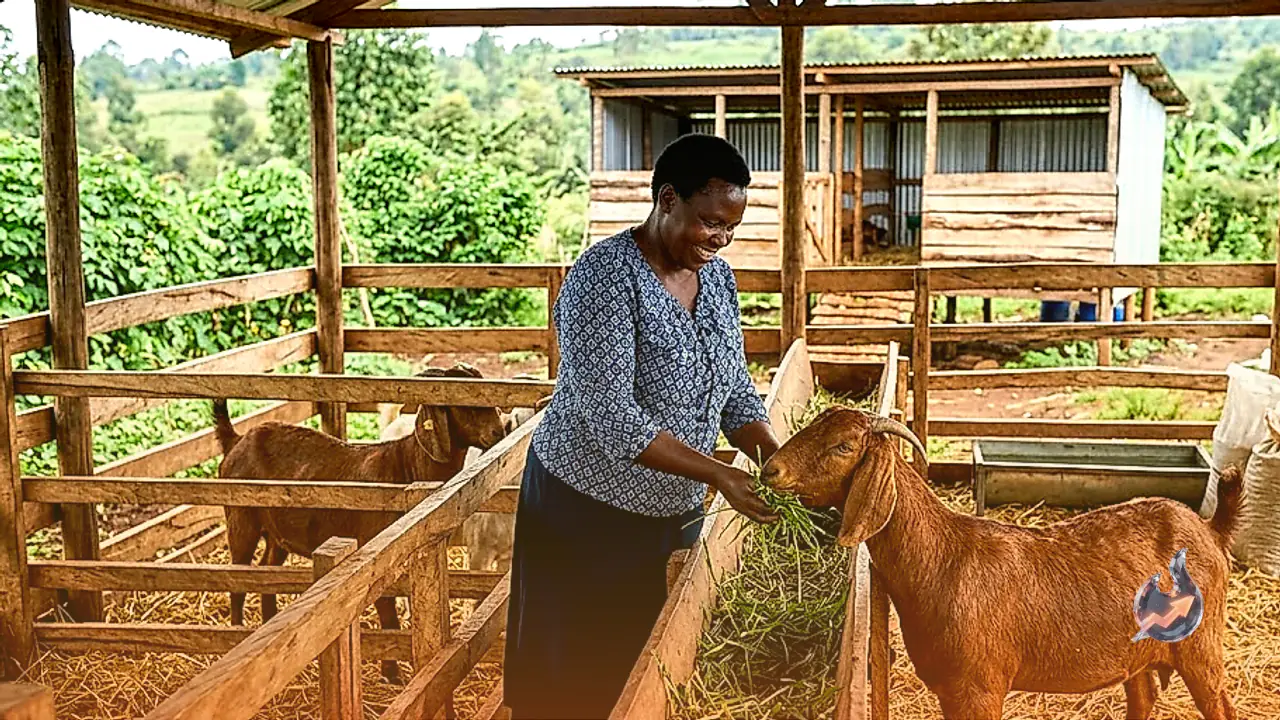


















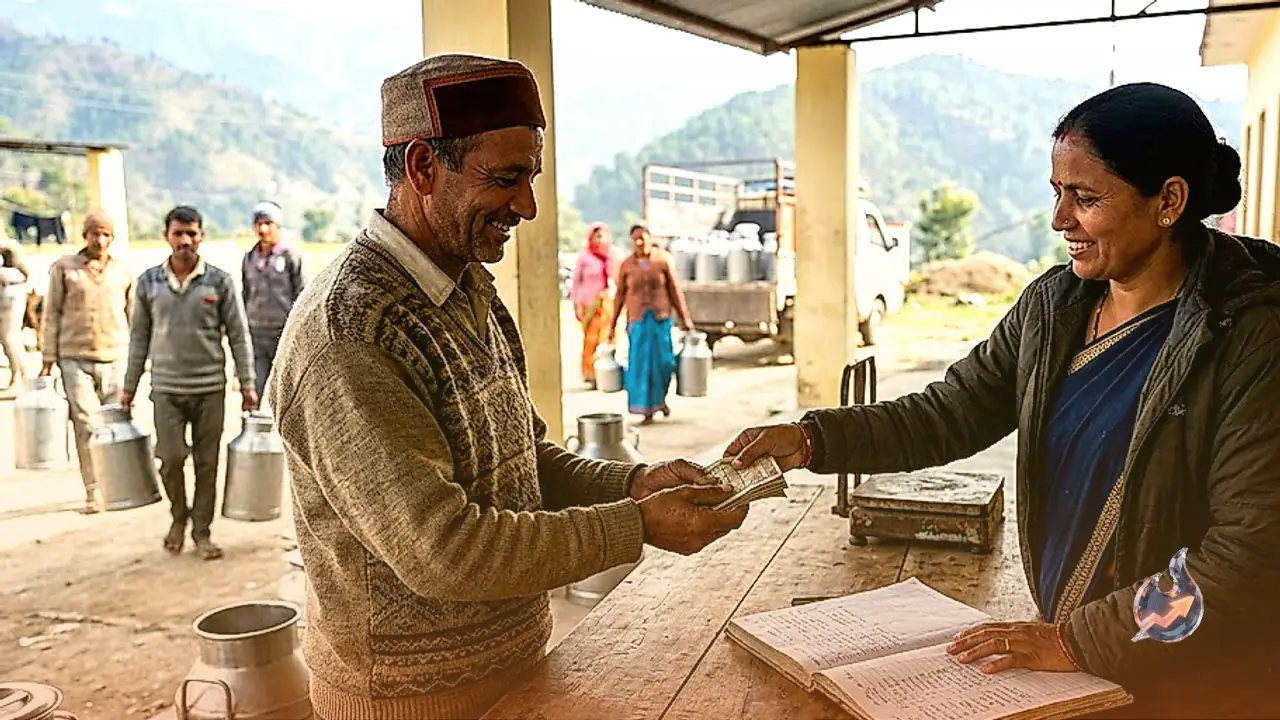

Dairy farming operations centered within the city of Bageshwar are rapidly emerging as a powerful economic lifeline for local livestock owners. Situated near Saras Market, the dairy venture operated by Prema Koranga currently maintains direct ties with more than twenty-five local herders. These participants bring milk produced by their cattle to the collection point, receiving consistent and timely compensation in return. According to available figures, the participating farmers collectively receive disbursements exceeding one lakh rupees every single month through this arrangement.
Direct Benefits Flowing to Regional Herders
Prema Koranga explained that the primary advantage experienced by local herders is the elimination of the need to search for distant markets to sell their daily yield. By delivering milk produced in their homes and villages straight to this collection center, they secure a steady and dependable income. This provides crucial financial backing to families who have chosen to adopt livestock rearing as a primary commercial enterprise. For small and marginal animal keepers in particular, this consistent milk trade has transformed into a vital pillar of financial stability.
The collected milk is either distributed directly to end consumers or processed on-site to manufacture a variety of essential dairy commodities. These items include fresh curd, pure ghee, buttermilk, and several other associated goods. Consequently, residents of the area gain access to remarkably fresh, locally sourced dairy products. This dynamic successfully fulfills consumer demands while simultaneously expanding regional employment opportunities spanning from initial milk production all the way to final retail sales.
Expanding Investment Prospects in Local Dairy
Prema Koranga emphasized that the rising consumption and sale of regional milk provide a substantial incentive for broader animal husbandry efforts. If herders continue to receive fair and dependable local markets for their produce, a greater number of rural households are likely to venture into livestock management. This expansion can significantly multiply self-employment opportunities across villages while reinforcing household incomes. The established system of regular payouts is widely regarded as especially critical for the participants.
Because milk is a highly perishable commodity, having an accessible local marketplace relieves farmers of the arduous task of transporting their goods to distant urban centers. Furthermore, the growing demand for dairy items within the region encourages investments toward increasing herd sizes and boosting overall milk yields. In a hilly district like Bageshwar, livestock rearing forms an integral component of the rural economic fabric. Consequently, fostering local dairy enterprises ensures that herders gain access to reliable markets, consistent earnings, and self-employment simultaneously. The practical example set by the twenty-five plus herders associated with this dairy highlights a sustainable pathway for regional economic development.