






















Gardening enthusiasts frequently encounter the frustrating problem of seeing their healthy plant leaves mysteriously chewed up. This damage is often caused by snails and slugs that remain hidden beneath soil, leaves, or containers during daylight hours and emerge after dark to feed. Catching them requires timing, and the most effective period for inspection is at night. Using a flashlight allows you to check the areas surrounding your pots and planters. When you spot these pests, avoid touching them directly with bare hands; instead, use gloves or a piece of old paper to remove them. Repeating this routine for several consecutive nights can significantly reduce their population.
Observing only the main foliage of the plant is rarely enough. These creatures thrive in dark, humid environments, meaning they frequently hide underneath saucer trays, plant stands, and nearby wall crevices. If water remains pooled in the bottom tray after watering, drain it away immediately and keep the collection tray clean and dry. Often, gardeners mistake pest activity for a plant disease when nocturnal crawlers are actually responsible for nibbling away at the greens overnight.
Some people attempt to use leftover coffee grounds to deter these garden pests, but spreading a thick layer directly onto the soil surface is an improper approach. Doing so can negatively impact the soil surface and harm the plant. If you choose to use coffee grounds, place a very small amount around the outer perimeter of the pot rather than directly near the roots.
Fallen leaves, decaying grass clippings, and constantly damp organic matter create ideal hiding spots for snails. Therefore, maintaining a clean surface around your plants is essential, particularly during the monsoon season. Clear away surface debris every few days and avoid allowing heavy layers of mulch or wet foliage to accumulate. A clean and relatively dry surface makes it difficult for pests to find shelter.
Heavy evening watering keeps pot soil damp throughout the night, creating conditions that these pests prefer. Water your plants according to their specific needs, and whenever possible, shift your watering routine to the morning. This gives excess moisture a chance to evaporate during the day. Remember that not every plant requires daily watering.
A mild and natural spray can be prepared using common garlic from your kitchen. Crush a few garlic cloves thoroughly in water, let the mixture steep for a few hours, and then strain the liquid. This solution can be lightly misted onto plant leaves as a deterrent. Always test the spray on one or two leaves first, as strong homemade mixtures applied in excess can damage sensitive foliage.
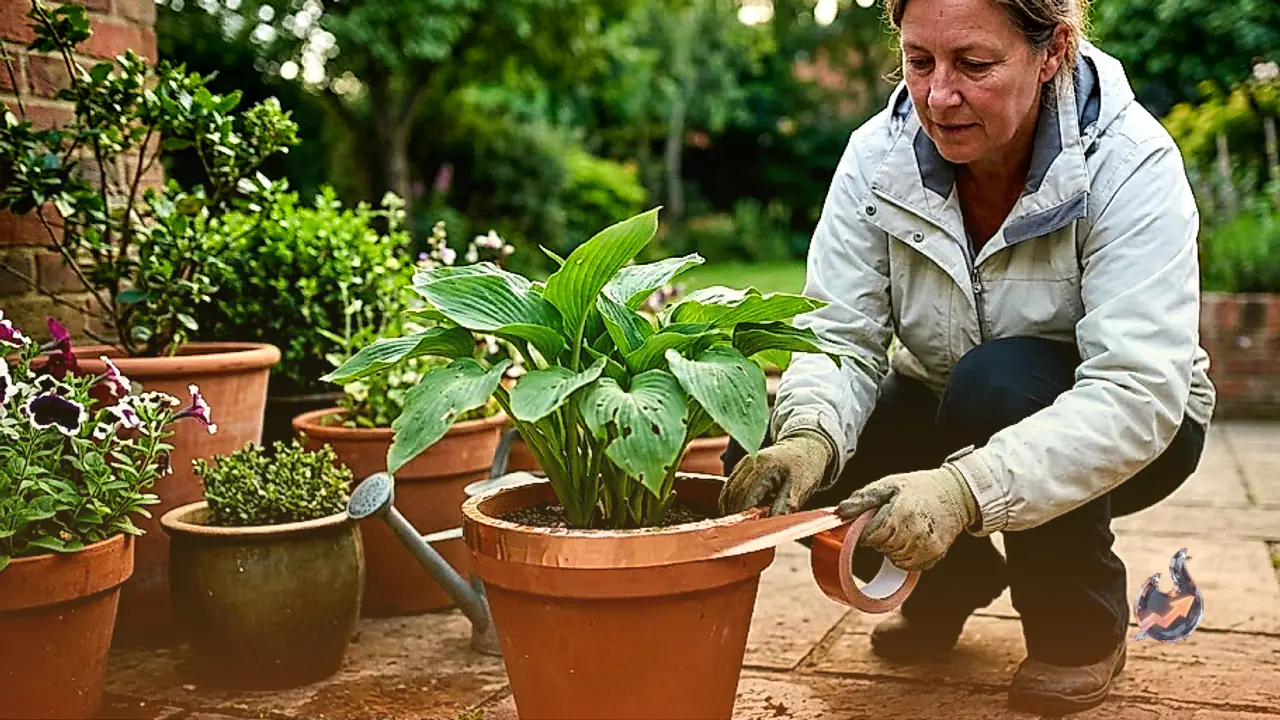
Placing plant containers directly on damp ground or in perpetually wet locations gives pests easy access. Elevating pots onto stands or higher surfaces can largely restrict their movement. Ensure there is no stagnant water nearby and regularly inspect the outer walls and bottom surfaces of your containers. This simple adjustment is especially useful for balcony gardens and plants kept outdoors during rainy periods.
Do not stop your preventive measures immediately just because the pests have stopped appearing. Continue checking the pots at night for a few days because hidden adults or their eggs can emerge later. If you spot tiny transparent or white cluster-like eggs within the soil, carefully remove them and clean the surrounding area. Eliminating excessive moisture, decaying debris, and stagnant water remains the key to keeping your potted plants safe.