





















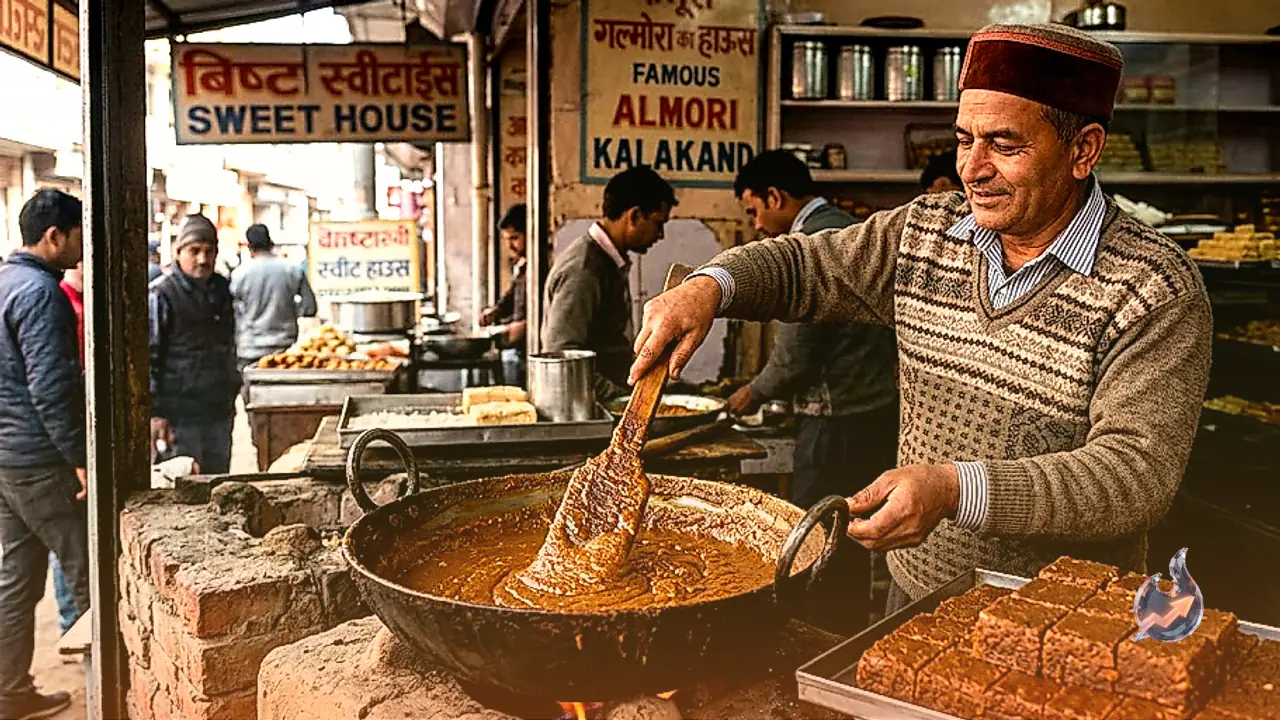

Dairy-based traditional sweets hold a special place in the hearts of people across the Kumaon region, with brown kalakand standing out as a true local favorite. Its taste differs noticeably from the standard white variety found elsewhere. The preparation relies primarily on full-cream milk, fresh paneer or chhena, mawa, sugar, and green cardamom. The process begins by simmering milk in a large vessel until it reduces significantly, after which paneer and mawa are thoroughly blended into the batch while being stirred continuously over a gentle flame.
The Magic of Slow Cooking and Natural Browning
Local culinary experts and traders point out that the hallmark of brown kalakand is its distinct brownish shade. This color does not come from artificial dyes, but rather from the patient, long-duration process of simmering the ingredients on low heat. As the milk and mawa remain exposed to continuous warmth, a natural browning reaction occurs between the natural sugars and proteins present in the dairy, which transforms both the color and the depth of flavor, resulting in light or deep brown tones.
Velvety Texture with a Grainy Feel
Beyond its visual appeal, the texture sets this sweet apart from ordinary confections. A well-prepared batch is neither completely smooth nor excessively firm. It features tiny, melt-in-the-mouth granules while maintaining an overall soft consistency. This characteristic texture is achieved through the careful incorporation of chhena and mawa, alongside the gradual reduction of milk with constant stirring before the mixture is allowed to cool and set firmly.
The Precise and Demanding Cooking Method
Crafting brown kalakand requires as much attention to technique as it does to ingredients. Instead of rushing the process over high heat, everything is simmered patiently. Continuous stirring is mandatory to prevent the dairy solids from sticking to the bottom of the pan. As the moisture evaporates slowly, the mixture thickens and the color begins to shift, at which exact stage sugar and chhena are folded into the pot.
Cardamom Infusion and Elegant Garnishing
Cardamom is added to the recipe to elevate the overall aroma and complement the milky, caramel-like notes of the reduced dairy. Once cooked to the right consistency, the warm kalakand is spread evenly across a flat tray to cool and solidify. Sliced pistachios or other dry fruits are often sprinkled on top for a decorative finish. After cooling down completely, it is sliced into neat squares or custom shapes that make the presentation look very appealing.
A Treat Loved Across All Generations
For those who appreciate authentic dairy flavors, brown kalakand serves as an irresistible option. Its soft consistency and mild graininess offer an eating experience distinct from other sweets. Children enjoy its creamy and sweet profile, whereas adults often gravitate toward the earthy, roasted caramel undertones. Naturally, slight variations in sweetness and exact flavor notes can occur depending on the individual style of preparation.
A Tradition of Hospitality and Celebration
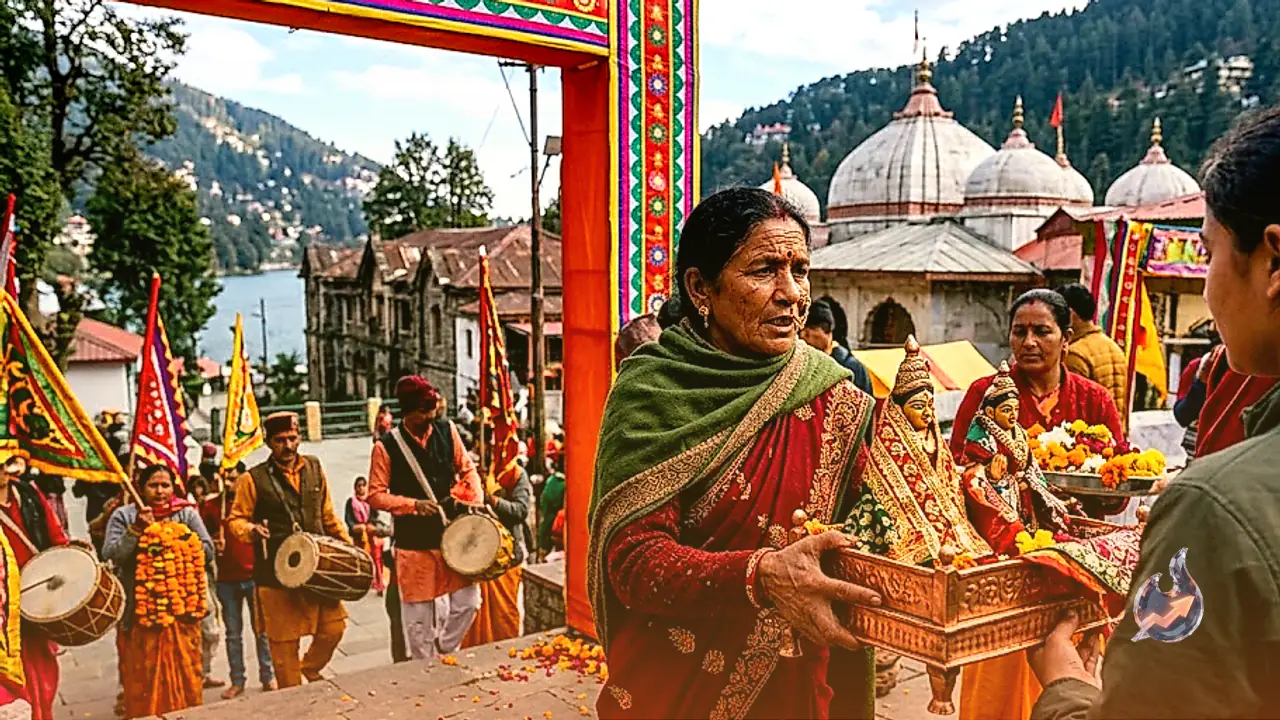
Sweets prepared from milk carry immense cultural significance in Kumaon. During festivals, family gatherings, and other memorable milestones, serving traditional mithai is an age-old custom. Brown kalakand is frequently featured on such occasions to welcome guests. Its neatly cut squares adorned with green pistachios look striking on a serving platter. Aside from homemade versions, people frequently purchase it from local sweet shops, needing very little embellishment to look impressive.
A Testament to Mountain Culinary Heritage
Brown kalakand should be viewed not merely as a dessert, but as a fine example of traditional hill culinary heritage. In the mountainous terrain, the utilization of milk and its derivatives has remained a cornerstone of daily diet for generations. While traditional preparation styles adapt to local preferences, the characteristic roasted aroma and deep color acquired through prolonged simmering remain its definitive trademarks.