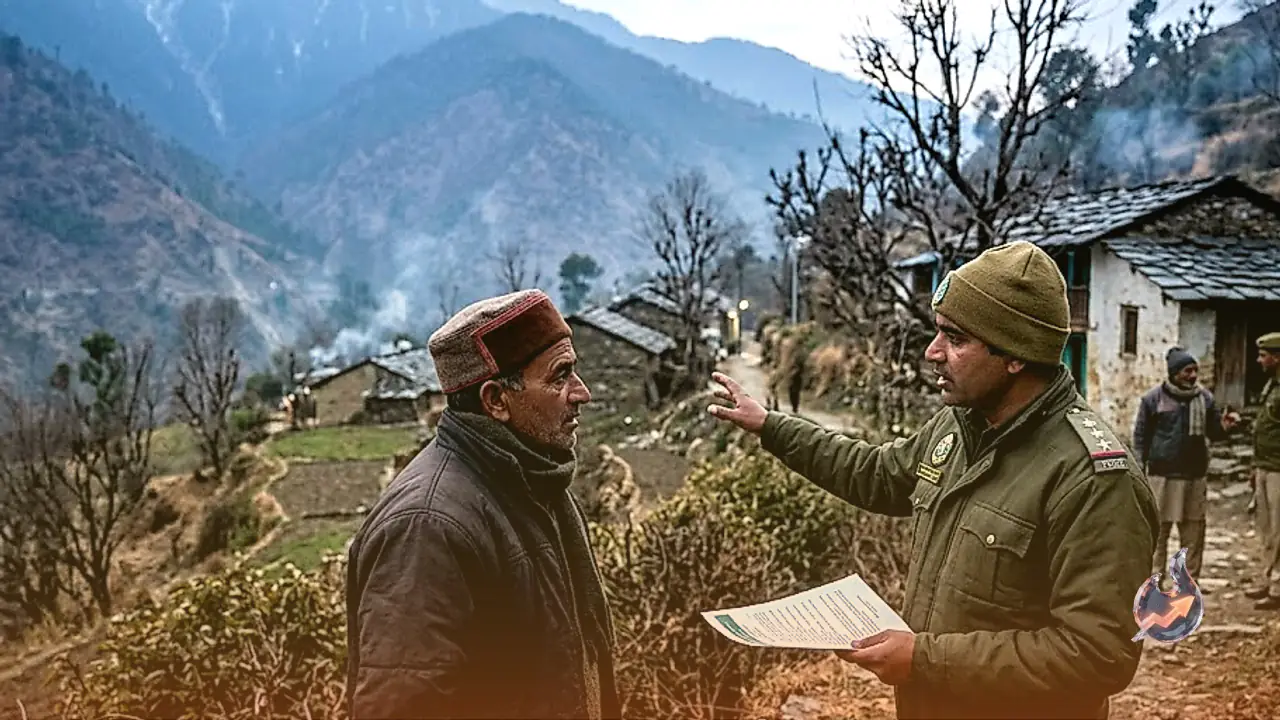



















While thousands of young people regularly migrate from the hills to major metropolitan cities in pursuit of better career prospects and modern comforts, Vijaya Koranga from Bageshwar has chosen the opposite path. Leaving behind a corporate role in Dehradun that paid her an annual package of six lakh rupees, she returned to her native village to dedicate herself to community welfare. Today, she represents the Shama area, Ward Number 10, as an elected member of the Bageshwar Zila Panchayat.
Academic Background, Medical Experience, and Corporate Career
Vijaya Koranga completed her early schooling in the Shama region. She attended Shama Inter College for her high school education before completing intermediate studies at Vivekanand Vidya Mandir. Continuing her higher education, she pursued her graduation from Amrapali Institute in Haldwani. She then went on to earn a post graduate degree in the medical field from Garhwal University. Following the completion of her education, Vijaya worked in the medical sector for about four years.
Following her tenure in the medical domain, she transitioned into the corporate sector and joined Sarsa Group of Companies in Dehradun. The position provided her with an annual package of approximately six lakh rupees. Despite possessing a stable career and access to modern urban amenities, Vijaya remained committed to the development of her home region. She ultimately decided to resign and relocate back to the hills, dedicating herself wholeheartedly to working for the welfare of local residents.
Advocating for Rural Welfare and Curbing Outmigration
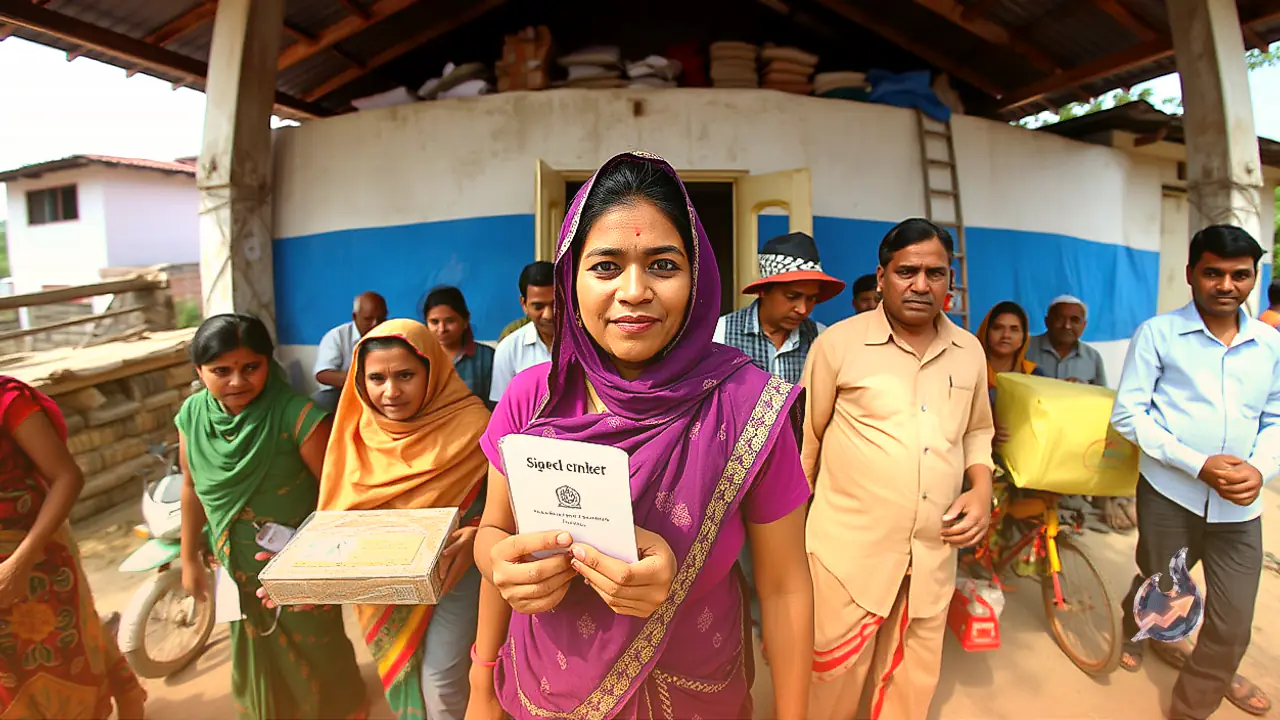
Vijaya explained that her core mission is to live in the mountainous region and directly address the challenges faced by villagers and youth. Since entering public life, she has been actively raising concerns regarding essential infrastructure, including roads, healthcare facilities, education, employment, and women empowerment. She has also stood alongside local communities on prominent civic issues, including public opposition to a local liquor shop.
Her perspective on regional challenges emphasizes that if young residents are provided with viable livelihoods and development opportunities within their native areas, the ongoing outmigration from the hills can be significantly curtailed. Her public engagement is focused on ensuring that grassroots concerns receive proper administrative attention and effective solutions.
Support from Social Worker Bhupendra Singh Koranga
Throughout her journey, Vijaya has received consistent support from her associate and social activist Bhupendra Singh Koranga. According to Vijaya, Bhupendra has stood by her since their school years and played an instrumental role in encouraging her decision to return to the hills. Both individuals have collaborated for an extended period on various public and social initiatives across the region.
Bhupendra Singh Koranga described Vijaya's transition as a bold and courageous initiative, pointing out that leaving behind urban conveniences and a lucrative career to embrace the demanding realities of the hills requires immense dedication. He considers her an exemplary role model for women empowerment, noting that her proactive engagement with community issues serves as an inspiration for local women and youth alike.
Engagement and Long-Term Commitment to Public Service
In their personal lives, Vijaya and Bhupendra have formally completed their engagement following traditional Kumaoni customs and plan to marry in the future. Both emphasize that their shared commitment to public interest and social causes will continue unabated alongside their family life.
Vijaya views politics not as a route to official status or authority, but as a constructive mechanism to represent the people and secure practical resolutions for their everyday hardships. She affirmed that if given greater opportunities by the public in the future, she is prepared to play a larger role in community service and active politics. Her trajectory from a corporate professional to a Zila Panchayat representative demonstrates that meaningful change can be driven from the grassroots when public service takes precedence over personal convenience.