




















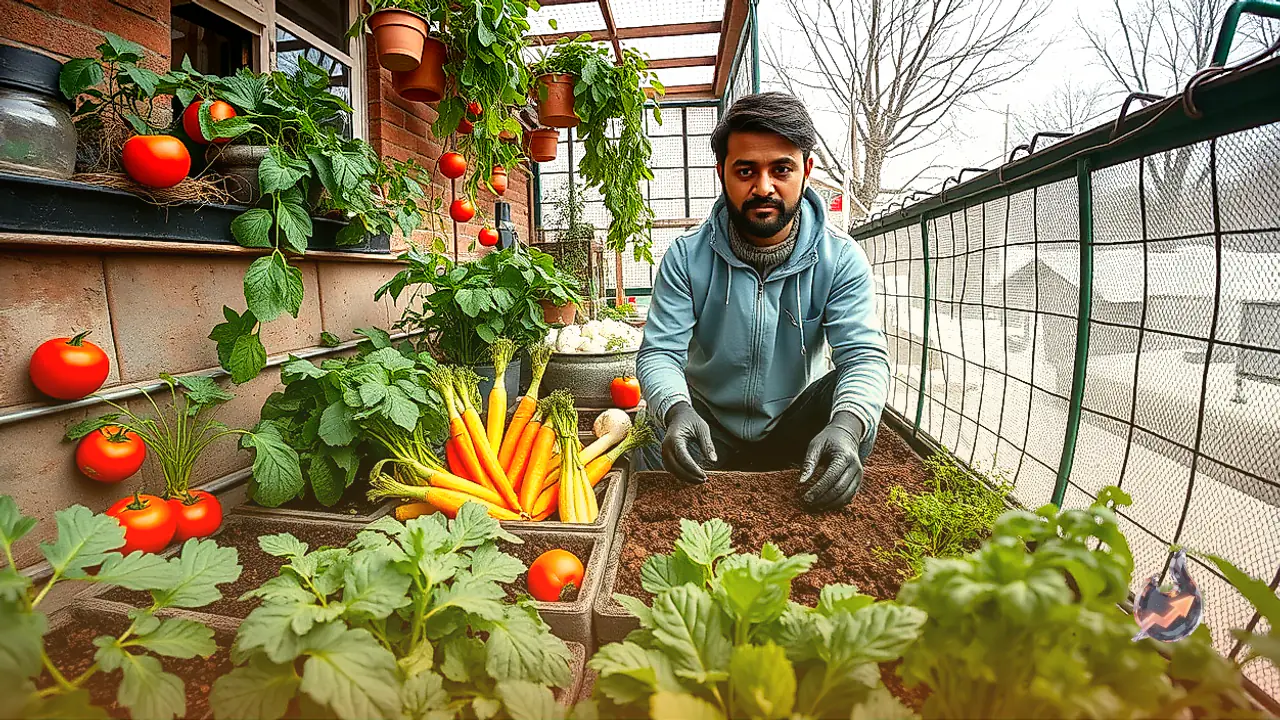

Demand for fresh green produce rises sharply as the colder months set in, driving up household grocery expenses. Cultivating fresh vegetables at home offers a convenient way to reduce market dependency while securing clean, chemical-free food right from the terrace or apartment balcony. Undertaking home gardening does not call for an expansive yard or specialized farming land. With a modest collection of containers, balanced potting soil, and consistent care, anyone can produce a diverse spread of nutritious greens in compact spaces.
Gardener Ram Sagar from Rishikesh explains that the winter climate is ideal for cultivating standard kitchen staples such as tomatoes, cabbage, cauliflower, broccoli, and eggplants, alongside culinary herbs like lettuce, parsley, rosemary, and oregano. Nurturing these varieties at home yields organic crops that excel in culinary flavor while delivering superior nutritional value for daily meals.
Preparing Fertile and Porous Soil
Achieving healthy container crops hinges directly on the soil structure used in the containers. Compact, hard soil restricts root development, making loose, porous, and nutrient-rich soil the preferred choice. Blending natural garden soil with vermicompost or thoroughly decomposed organic manure supplies the essential micro and macronutrients required for steady plant growth throughout the season.
Container Selection and Seed Placement
Choosing proper planting containers is just as crucial as feeding the soil. Every container must feature adequate drainage holes at the base to discharge surplus water and prevent root decay. Shallow seedling trays or medium pots suit tomatoes and parsley during their initial phase. However, deep-rooting varieties such as carrots, broccoli, cauliflower, cabbage, and eggplants demand substantially deeper pots so root networks have sufficient space to expand. When sowing seeds, monitoring planting depth and maintaining adequate spacing between seedlings ensures that developing foliage receives unobstructed air circulation and sunlight.
Sunlight Exposure and Balanced Watering
Winter vegetable crops rely heavily on natural sunlight to sustain metabolic activity and accelerate output. Pots should be positioned in spots receiving uninterrupted daily sunshine, which fosters robust stems and speeds up maturity. Managing soil moisture requires equal precision; soil must remain damp without becoming waterlogged. Saturated soil suffocates root systems and invites fungal diseases. Checking the top layer of soil before adding water helps maintain ideal moisture, and further watering should be postponed whenever the surface feels visibly damp.