



















Nithari Accused Surendra Koli Found Dead in Haridwar After Desperate Call Over Financial DistressUttarakhand
18 Sept 2026, 5:15 pm (51 days ago)· 2

Nithari Accused Surendra Koli Found Dead in Haridwar After Desperate Call Over Financial Distress

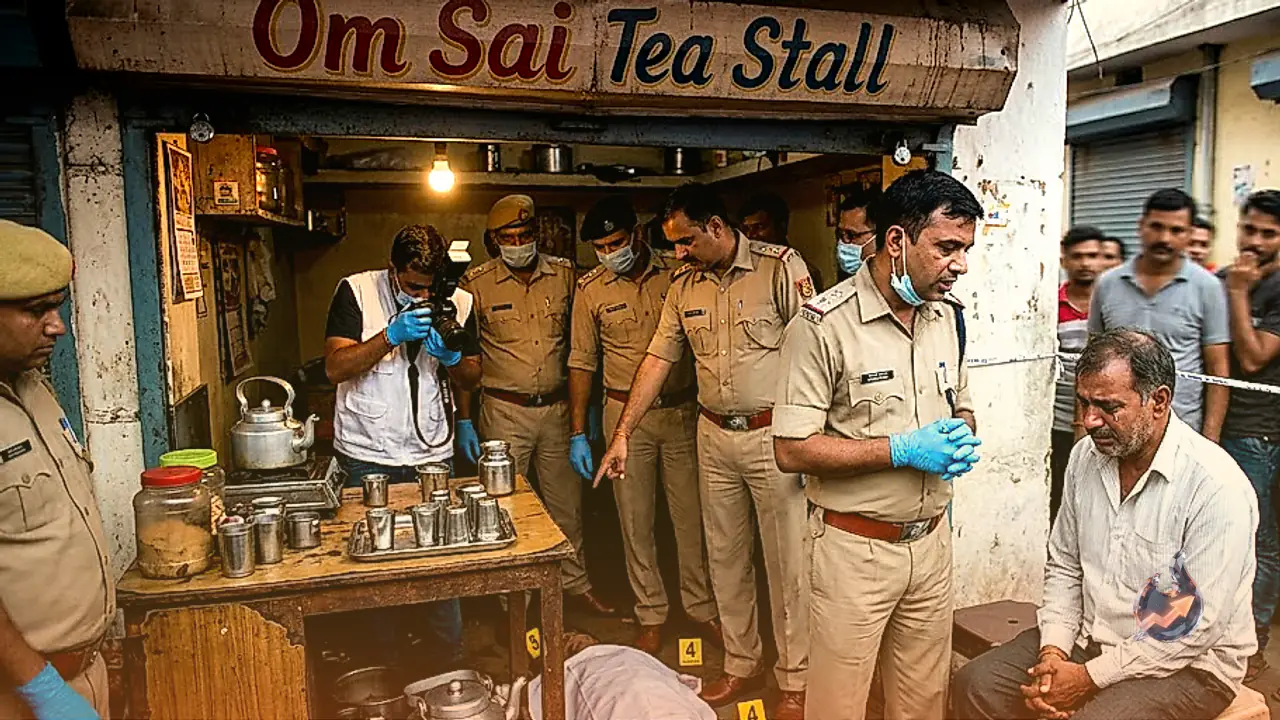
Surendra Koli, acquitted in the Nithari case last year, reportedly committed suicide in his Haridwar tea stall after expressing financial distress to a former acquaintance.

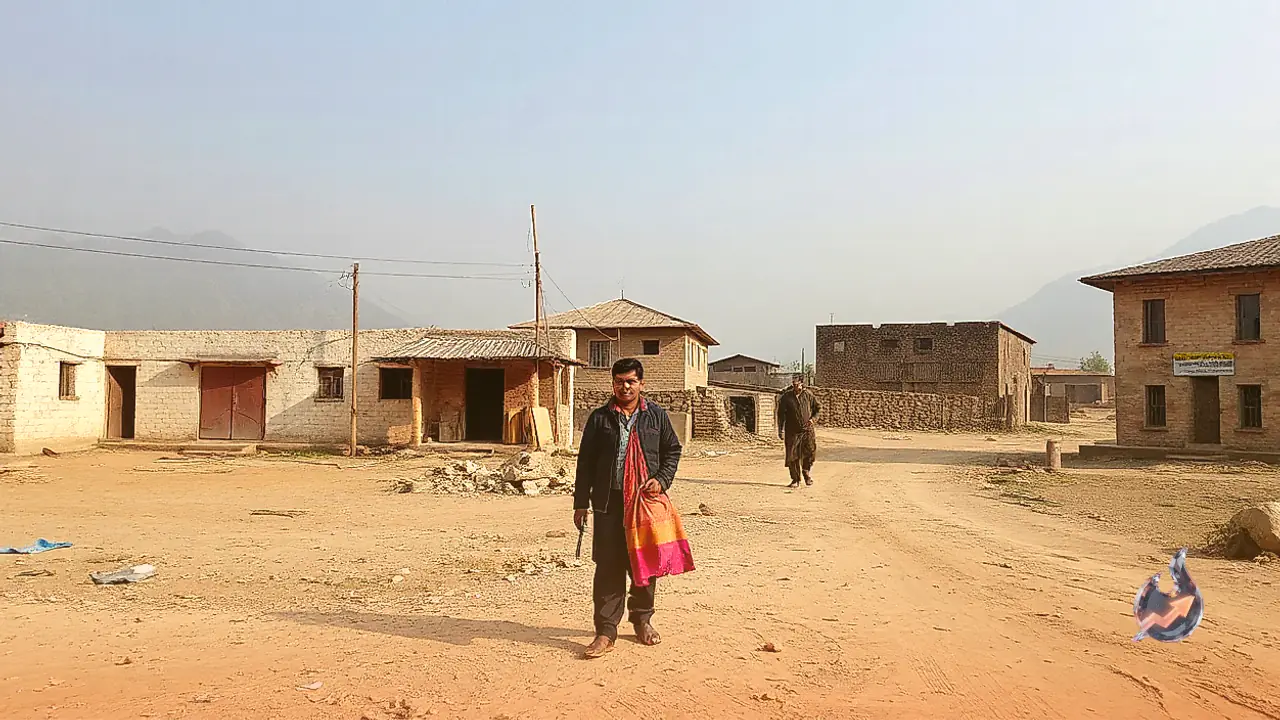
A tragic turn of events has unfolded as 50-year-old Surendra Koli, who was previously accused in the infamous Nithari serial killings, was found dead in Haridwar. The investigation indicates that Koli ended his own life inside a small roadside tea stall where he had recently started working to rebuild his livelihood. Just hours before taking this extreme step, he had reached out to an old acquaintance to express his immense helplessness and distress over financial issues, but help could not reach him in time.

The Final Phone Call of Desperation

In his final hours, Koli was grappling with severe financial difficulties. Overcome by anxiety, he placed a phone call to Narayan Singh Rawat, a former District Panchayat member who had helped him in the past. During this conversation, Koli shared his deep despair, explaining that the owner of the tea kiosk was constantly harassing him and demanding money. Before Rawat or anyone else could fully comprehend the gravity of his situation or offer assistance, the night passed, and Koli was found dead inside his kiosk the following morning.

Also read

Discovery of the Body and Police Investigation

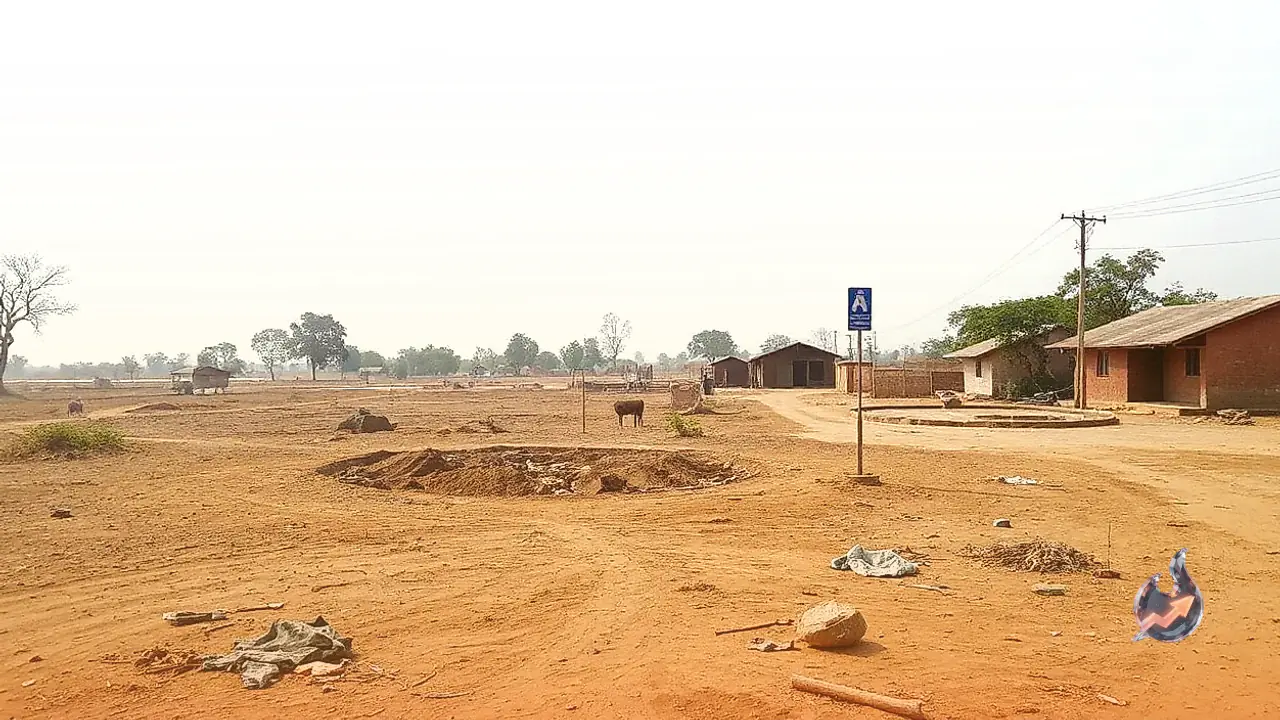
The incident came to light on Friday afternoon when some passersby noticed Koli hanging inside the tea stall located along the highway. They immediately alerted the local authorities. Speaking on the matter, Haridwar City Circle Officer Shishupal Singh Negi stated that a police team rushed to the crime spot upon receiving the information and lowered the body. A forensic team was also dispatched to the scene to conduct a detailed investigation and gather potential evidence. Officer Negi confirmed that while the initial assessment strongly points toward suicide, the police did not recover any suicide note from Koli’s clothing or from inside the tea stall.

A Short-Lived Attempt at a New Beginning

Koli had been acquitted in his final case by the Supreme Court in November last year. Following his release, he had moved to Haridwar in an attempt to earn an honest livelihood. Approximately ten days prior to the incident, he had started operating a small tea stall on the roadside. This kiosk served not only as his place of business but also as his temporary home where he slept at night. Unfortunately, the mounting pressure of rent, demands for money by the stall's owner, and an acute lack of resources ultimately pushed the 50-year-old to a tragic end.


Questions & Answers

Who was Surendra Koli?
Surendra Koli was a 50-year-old man who was an accused in the infamous Nithari serial killings in Noida. He was acquitted in his last case by the Supreme Court in November last year.
Where and when was Koli found dead?
Koli was found dead on Friday afternoon inside a tea stall he was operating along a highway in Haridwar.
What did Koli say in his final phone call?
In his final call to his acquaintance Narayan Singh Rawat, Koli expressed his helplessness, stating that the tea stall owner was harassing him for money.
Did the police find any suicide note?
No, the police did not find any suicide note from Koli’s clothes or from inside the kiosk, though the incident is currently being treated as a suicide.

Comments 5

Ravikash Gupta@ravikash·49d ago

The tragic end of Surendra Koli highlights the massive gap in our social and administrative frameworks regarding the rehabilitation and livelihood security of released prisoners. Even after acquittal by the apex court, facing severe financial distress and harassment over running a small tea kiosk reflects the glaring failure of our support systems. Without timely institutional financial aid or psychological counseling for individuals attempting to rebuild their lives, socio-economic pressures can unfortunately culminate in such devastating outcomes.

Arjun Mehta@arjun-mehta·49d ago

This tragic demise of Surendra Koli raises profound questions about the post-acquittal phase within our criminal justice system. When an individual is exonerated by the country's highest court, they are entitled to a life of dignity, yet the absence of institutional rehabilitation, pervasive social stigma, and lack of employment support push them back to the margins. This incident starkly underscores the urgent need for a robust state-level framework encompassing mandatory mental health counseling and financial security for released individuals, ensuring that systemic gaps do not drive vulnerable lives to despair.

Karan Malhotra@karan-malhotra·49d ago

This incident raises critical questions about post-acquittal rehabilitation and societal re-integration. It highlights how harsh the struggle for livelihood and social acceptance can be for an individual emerging from a prolonged legal ordeal, pointing to the urgent need for a support mechanism to address severe financial distress and mental vulnerability.

Rohan Verma@rohan-verma·49d ago

This incident exposes the harsh ground reality of rehabilitation and social acceptance for former inmates after being acquitted by the judiciary. Despite being cleared by the Supreme Court, the immense struggle to secure a basic livelihood highlights the severe economic and psychological pressures faced after legal freedom. This tragedy raises critical questions about the lack of institutional support systems at the state level to ensure basic subsistence and mental health safeguarding for individuals transitioning back into society following long incarcerations.

Karan Malhotra@karan-malhotra·49d ago

Expanding on Rohan's analysis, this incident exposes the darker side of the criminal justice system where an individual continues to face lifelong social ostracization and an invisible sentence even after legal acquittal. Despite being exonerated in all cases by the Supreme Court, Surendra Koli lacked any police protection or administrative rehabilitation framework. The tragic death of a roadside tea vendor under such isolation and financial duress proves that our justice system desperately lacks a robust post-release corrective framework, which is crucial to prevent such tragedies in the future.

Citizen journalism

Become a TrendKia journalist

Voice of the people

Share news, photos and videos from your area with TrendKia and let your voice reach the nation. Every citizen a journalist.

Join now
CH 01 LIVE
TrendKia TV ON AIR
Chamar no WhatsApp