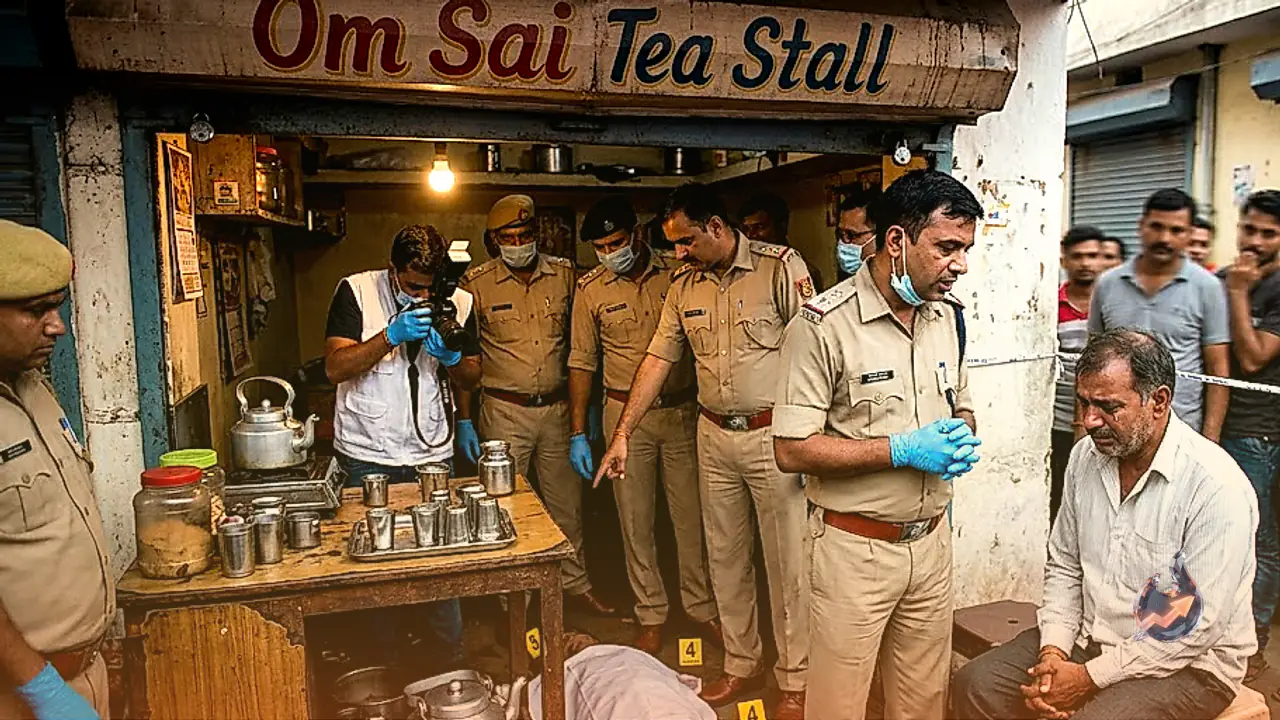





















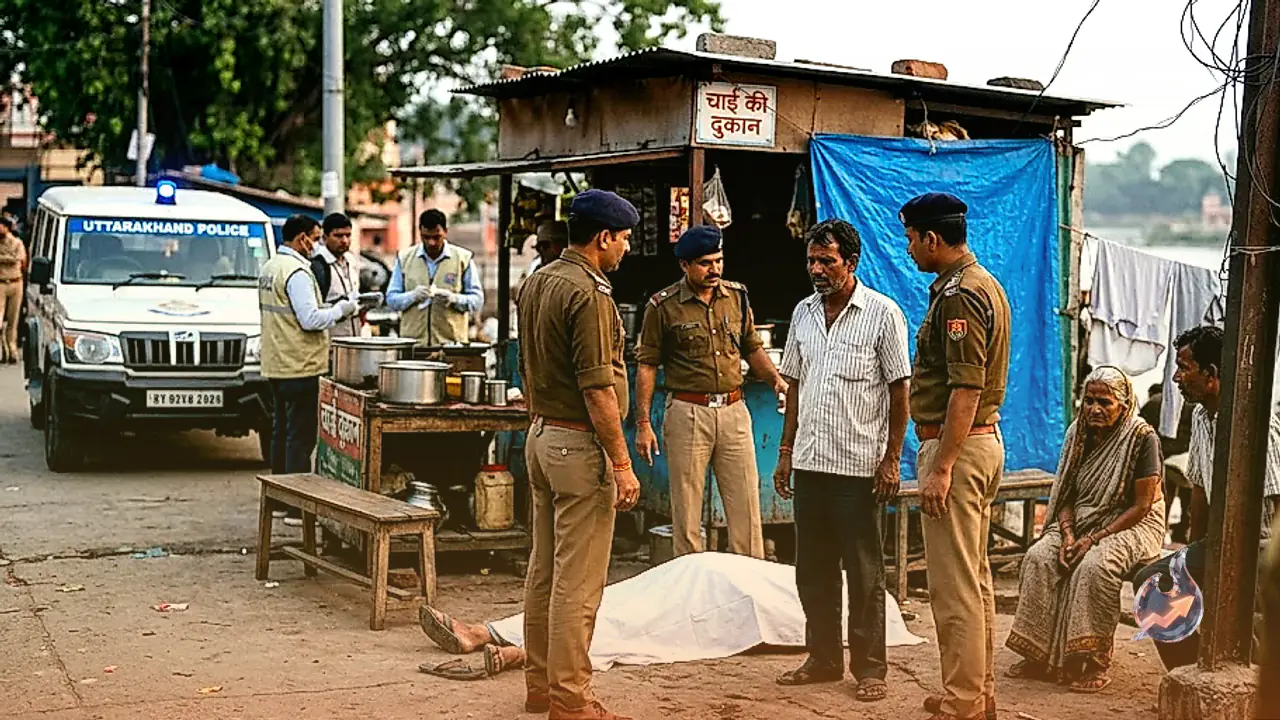

The life of Surendra Koli, once central to one of India’s most horrific criminal cases, has come to an abrupt end. After spending nearly 19 years behind bars and eventually securing a complete legal acquittal from the Supreme Court, Koli survived less than 310 days as a free man. On Friday, his body was discovered hanging in the Bhopatwala area of northern Haridwar, Uttarakhand. He had relocated to the temple town just three days prior, finding employment at a local tea stall. Having survived 6,935 days inside the heavily guarded confines of prison, Koli's sudden death by suicide in the outside world has once again cast a spotlight on the dark history of the Nithari killings that shook the nation two decades ago.
A Rollercoaster Legal Battle and Sudden Freedom
Surendra Koli’s journey through the Indian judicial system was filled with dramatic turns. Following his arrest in late 2006, he remained incarcerated as trial courts handed him death sentences in 13 separate cases, reflecting the immense gravity of the charges and public outrage. However, as these convictions were challenged in higher courts, the prosecution's evidence began to disintegrate under closer scrutiny. In 2023, the Allahabad High Court delivered a landmark ruling, acquitting Koli in 12 of those cases after identifying severe lapses in the investigation and questioning the reliability of the evidence. Despite this major reprieve, one final case remained pending, keeping him in prison until the ultimate legal resolution.
Supreme Court’s Final Acquittal in November 2025
The definitive chapter of Koli’s legal battle was written in November 2025 when his last remaining case reached the Supreme Court. The top court pointed out significant procedural gaps, a complete lack of solid scientific proof, and a deficiency in forensic evidence within the investigation conducted by the agencies. Consequently, the Supreme Court acquitted Koli of all charges in this final case. This decision followed earlier rulings by the Allahabad High Court that had already cleared both Koli and his employer, businessman Moninder Singh Pandher, due to a lack of substantiating evidence. With his legal slate cleared, Koli was finally permitted to walk free, though his period of liberty would prove tragically short-lived.
The Grim History of the Nithari Killings
The roots of this grim saga trace back to 2005 and 2006, when a series of mysterious disappearances of children and women alarmed residents of the Nithari village in Noida, Uttar Pradesh. After initial delay and inaction by local police, the investigation eventually led authorities to house D-5 in Sector-31, Noida. The property belonged to Moninder Singh Pandher, a wealthy businessman, where Surendra Koli was employed as a domestic helper. No one had anticipated the gruesome secrets hidden right behind the walls of the upscale suburban residence.
Horrifying Discoveries and the CBI Investigation
On December 29, 2006, the case took a terrifying turn when investigators discovered human skulls, skeletal remains, children's clothing, and other incriminating items buried in and around a drainage canal behind the D-5 villa. The discovery triggered nationwide shock and immediate protests. Police arrested both Pandher and Koli shortly after. Given the extraordinary sensitivity of the case, the investigation was transferred to the Central Bureau of Investigation (CBI) in January 2007. While local police had initially registered 19 different cases of kidnapping and related crimes, the CBI filed chargesheets in 16 of them. Koli faced severe charges including abduction, sexual assault, murder, and destruction of evidence.
The Final Days in Haridwar
Following his release from prison, Koli sought to rebuild his life far from the notoriety of his past. He traveled to Haridwar, finding a quiet refuge in the Bhopatwala locality. Hoping to earn a basic livelihood, he started working at a small tea shop. However, just three days into his new job, his life ended on Friday when he was found hanging inside the premises. Local police are treating the death as a suicide based on preliminary findings. The man who managed to survive nearly two decades under maximum security in prison could not sustain his life in the free world for even a single year, bringing a silent end to one of India's most notorious criminal chapters.