























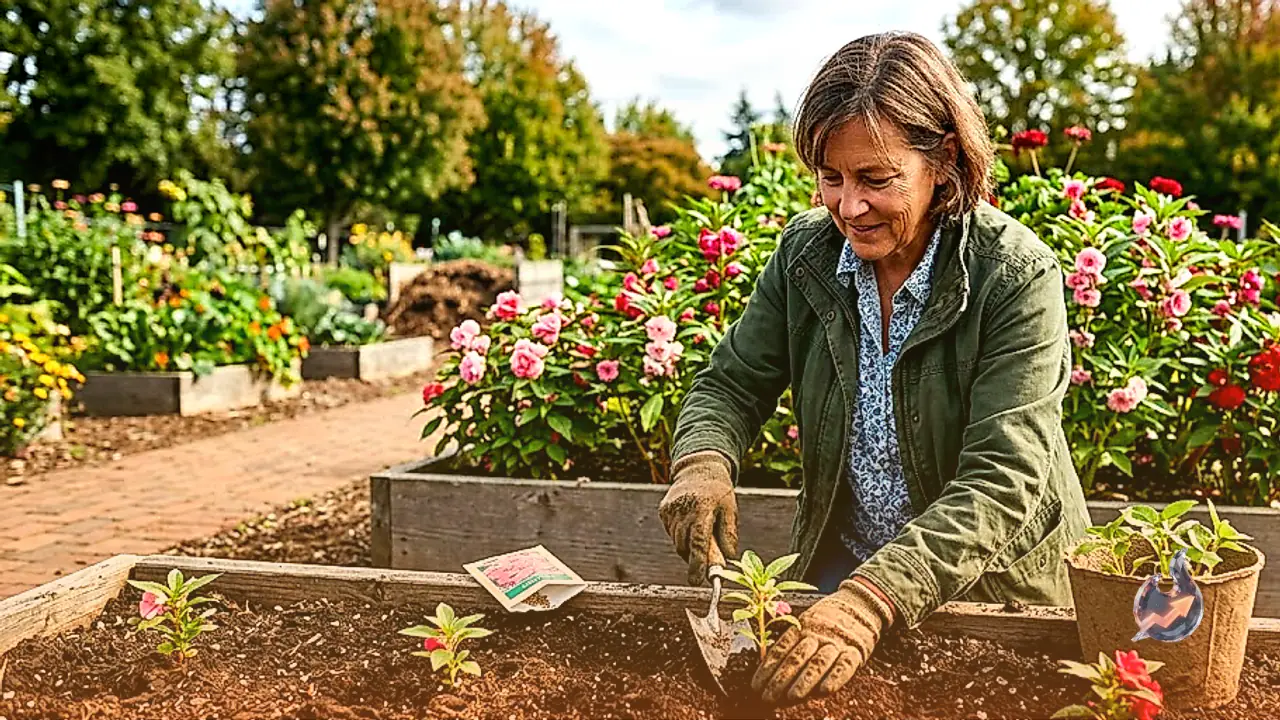

Balsam serves as a delightful choice for home gardeners seeking to elevate their outdoor spaces with rich colors and dense foliage. The standout feature of this plant lies in its charming blossoms, which closely resemble miniature roses nestled among bright green leaves. Under optimal growing conditions and with balanced nutrition, a single plant develops a bushy canopy laden with flowers. Cultivating balsam does not demand extensive gardening expertise, yet success hinges on getting the basics right, including rich soil composition, indirect sunlight, calibrated watering, and routine organic feeding. Following systematic care practices ensures robust plant development and continuous flowering throughout the season.
Why September Offers the Ideal Planting Window
Timing plays a pivotal role in achieving healthy plant establishment, and September provides the perfect atmospheric conditions for sowing balsam seeds. During this transitional period, moderate ambient humidity levels combined with balanced daily temperatures create an ideal environment for rapid seed germination and initial seedling growth. Balsam thrives best in mild to moderate sunlight rather than extreme heat. Sowing seeds in September allows young plants to build strong root systems without facing the stress of harsh weather conditions, leading to faster structural development.
Preparing the Ultimate Soil Blend for Container Gardening
Healthy root systems require well-aerated, fertile soil with superior drainage capabilities. Waterlogging around the roots poses a severe threat to balsam plants, making proper potting medium preparation essential. To create the ideal growth substrate, garden enthusiasts should combine the following ingredients in precise proportions
- Garden Soil (50 Percent): Standard topsoil forms the core base, providing structural stability for roots to anchor securely.
- Organic Manure (30 Percent): Well-rotted cow dung manure or vermicompost supplies vital macro and micronutrients necessary for steady growth.
- Coarse Sand (20 Percent): Adding sand enhances soil porosity, preventing compaction and allowing excess water to drain out freely.
Ensuring that pots feature active drainage holes alongside this porous soil mix prevents standing water, protecting sensitive roots from fungal decay.
Step-by-Step Seed Sowing and Early Seedling Care
Propagating balsam from seed is straightforward when handled with care. Begin by scattering the seeds evenly across the smoothed soil surface in pots or seedling trays. Cover the seeds very lightly with a thin layer of fine soil or cocopeat to shield them from direct exposure while allowing air penetration. Avoid pouring water directly from a pitcher, as heavy water flow can displace delicate seeds or bury them too deep into the soil. Instead, use a fine mist sprayer to moisten the top layer gently.
Under favorable conditions, sprouts typically emerge within 5 to 7 days. Once the young seedlings reach a height of approximately 3 to 4 inches, they become sturdy enough for transplantation into larger pots or garden beds. Take extra care during transplanting to minimize root disturbance and shock.
Sunlight, Watering, and Organic Fertilization Routine
Balancing light exposure and moisture levels is key to encouraging abundant flower buds. Balsam plants respond exceptionally well to roughly 3 to 4 hours of gentle morning sunlight each day. Positioning plants where they receive intense afternoon sun should be avoided, as high heat can scorch foliage and cause wilting. When managing irrigation, monitor the soil surface regularly. The soil should remain lightly moist to the touch without becoming soggy or waterlogged. Adjust watering frequency according to changing weather conditions.
To maintain strong growth and promote heavy blooming, feed the plant every 15 to 20 days using organic soil amendments such as vermicompost or decomposed manure. Once flower buds begin forming, applying a diluted liquid mustard cake fertilizer provides a rich nutrient boost that enhances bloom size and color intensity.
Pinching Techniques and Pest Protection
To transform a slender seedling into a lush, multi-branched bush, utilize the pinching technique. When the young plant starts growing vertically, gently pinch off the growing tip of the main upper stem using your fingers. This simple action redirects growth hormones, encouraging dormant lateral buds to sprout into new side branches. Over time, the plant expands outward into a rounded shape capable of supporting significantly more flower buds.
Gardeners should also remain vigilant against potential pests like aphids and fungal infections. Inspecting leaf undersides and new shoots regularly allows for early detection. Spritzing the plant with a mild neem oil solution at the first sign of pests effectively keeps infestations at bay without harsh chemicals. Remove any withered or infected branches promptly and maintain careful watering practices to prevent root diseases. Mature balsam plants generally reach a height of about 1 to 2 feet with juicy, succulent stems, filling home gardens with striking rose-like blooms.