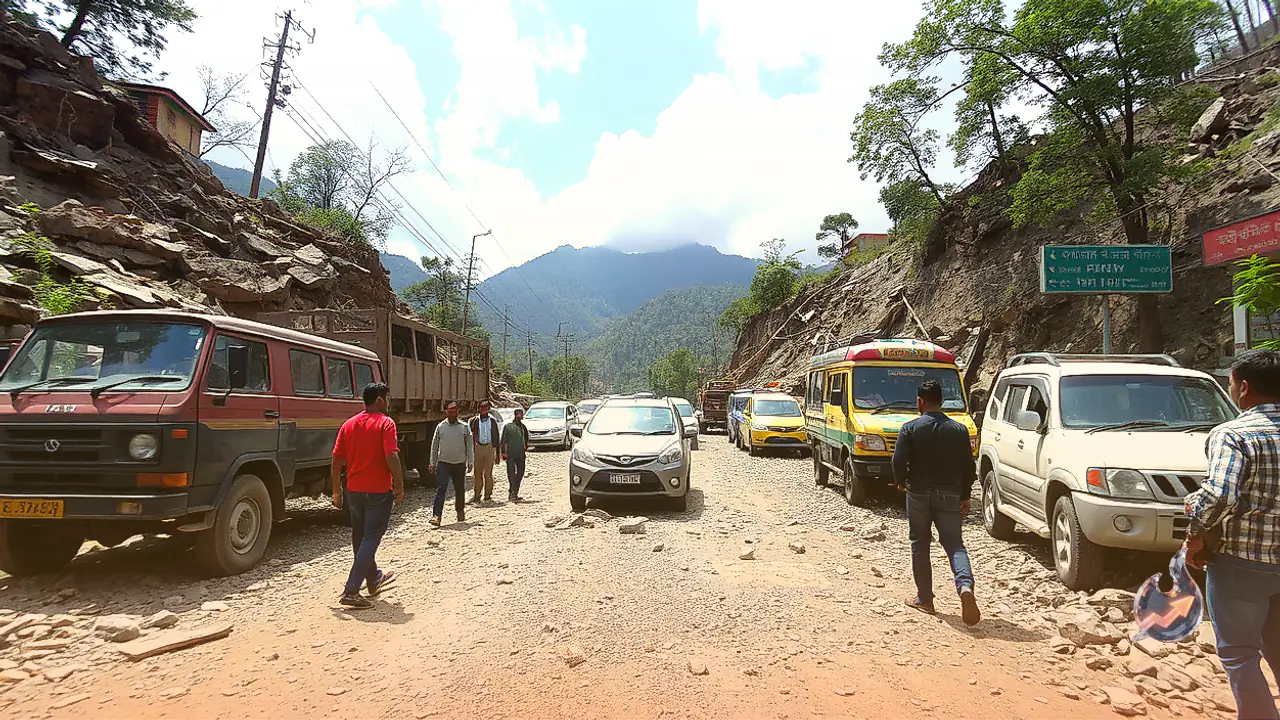



















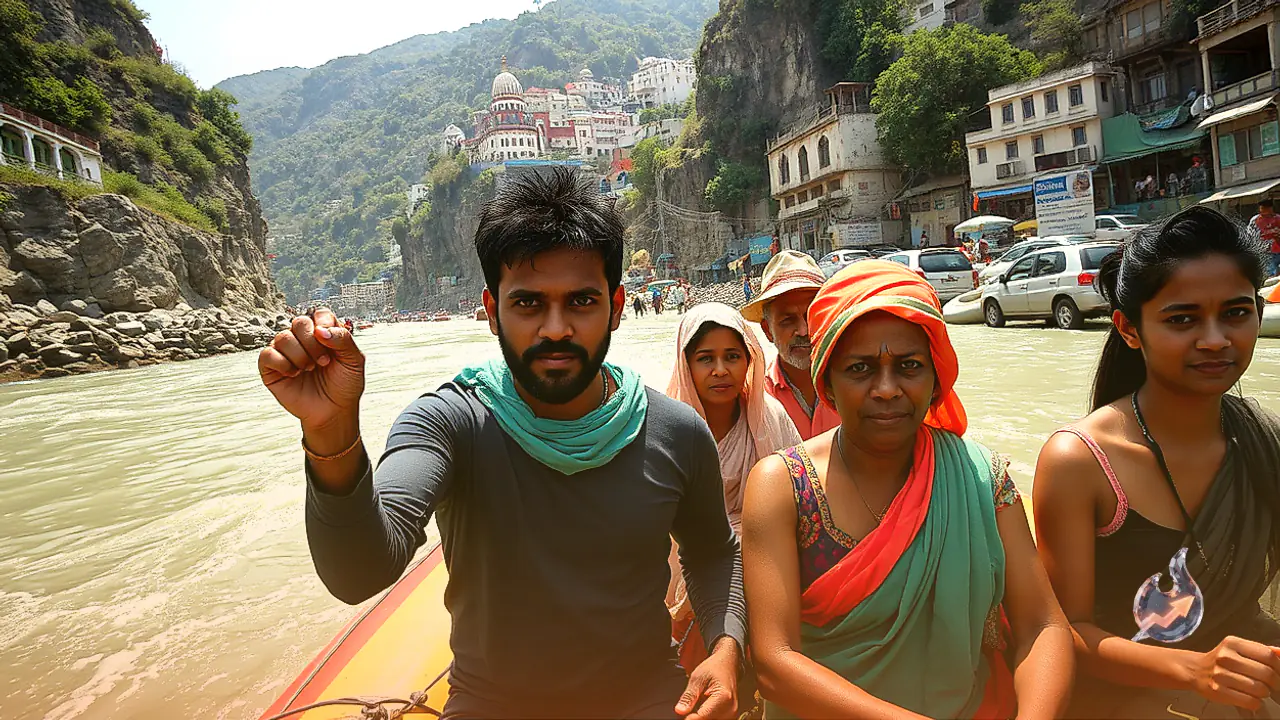

For decades, the sacred town of Rishikesh in Uttarakhand has stood as a sanctuary of spiritual contemplation, revered for the sacred waters of the Ganga and traditional yoga practices. Seekers from all corners of the globe have journeyed to its quiet banks seeking profound inner stillness, meditative discipline, and spiritual renewal. Over recent years, the physical and cultural landscape of the town has experienced a swift and visible metamorphosis. The proliferation of river rafting, riverside camping grounds, contemporary cafes, hotels, and varied adventure sports has established Rishikesh as a bustling tourist center. This transition raises a pertinent question regarding the town's prevailing character, whether it should still be identified as a yoga haven, a revered pilgrimage destination, or predominantly an adventure getaway.
From Devotional Sanctuary to Commercial Tourism Hub
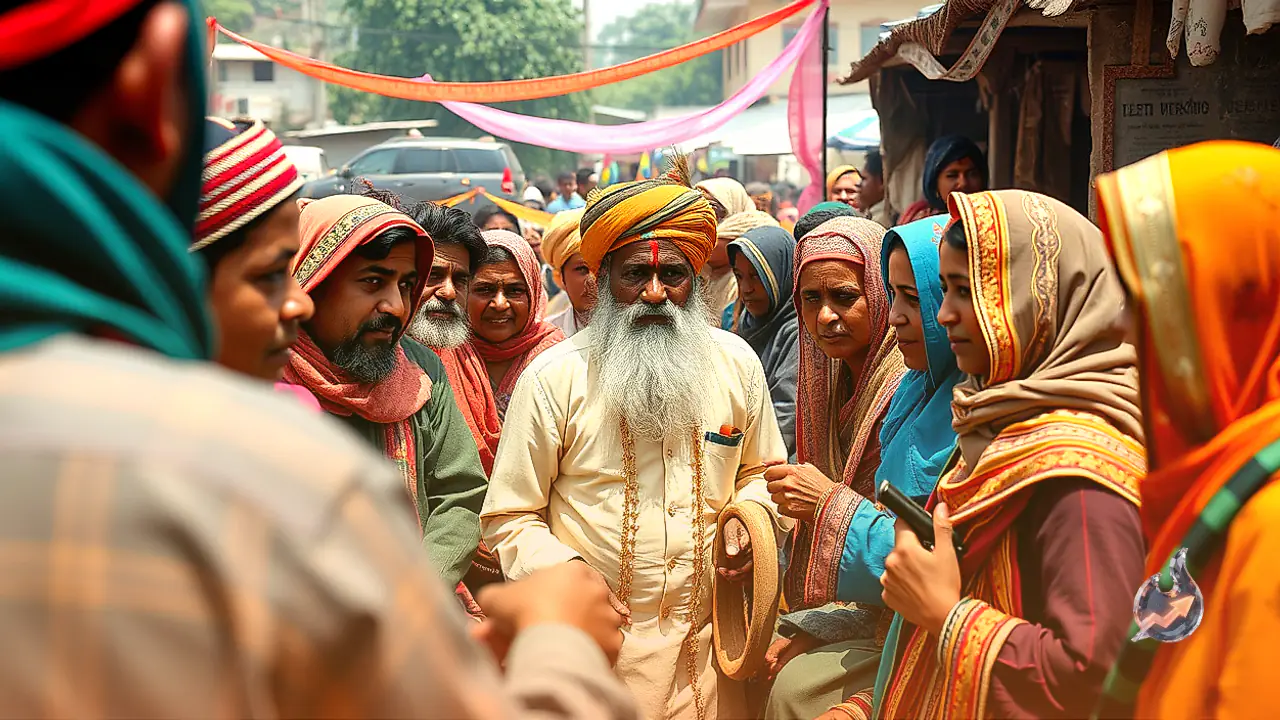
Having lived in the town for nearly 59 years, Chandana Sadhu has witnessed this systemic evolution firsthand. She arrived in Rishikesh from Kolkata at the tender age of two, a period when the local environment differed vastly from the current scene. During those earlier decades, the air was steeped in deep devotion, simplicity, and religious reverence.
Reflecting on that era, Chandana notes that visitors previously traveled with a primary focus on spiritual dedication and temple visits. The current demographic picture looks entirely altered. Today, roughly 90 percent of the footfall comprises general tourists looking for leisure and recreation, whereas pilgrims arriving purely out of religious reverence now represent a modest fraction. She points out that escalating commercial activities alongside the Ganga and tourism business have fundamentally reshaped the locality, causing the town's original spiritual character to almost entirely fade away.
The Enduring Presence of Yoga Alongside New Wave of Youth
A contrasting perspective is shared by Janlal Slauka, who has made Rishikesh his home for around 40 years. He believes that the historical essence of the town has not been fully extinguished. According to his assessment, Rishikesh continues to command global recognition as the Yoga City. Deep-rooted ashrams continue to conduct traditional yoga sessions, while hospitality venues such as hotels and adventure camps have also incorporated yoga-centric routines into their guest itineraries.
Janlal Slauka acknowledges that the volume of younger travelers entering Rishikesh has surged dramatically. While former decades witnessed travelers driven primarily by spiritual curiosity and religious commitments, modern times see crowds of youths seeking leisure getaways and recreational holidays. River rafting and an assortment of outdoor pursuits have become the primary magnets drawing this younger audience toward the Himalayan foothills.