



















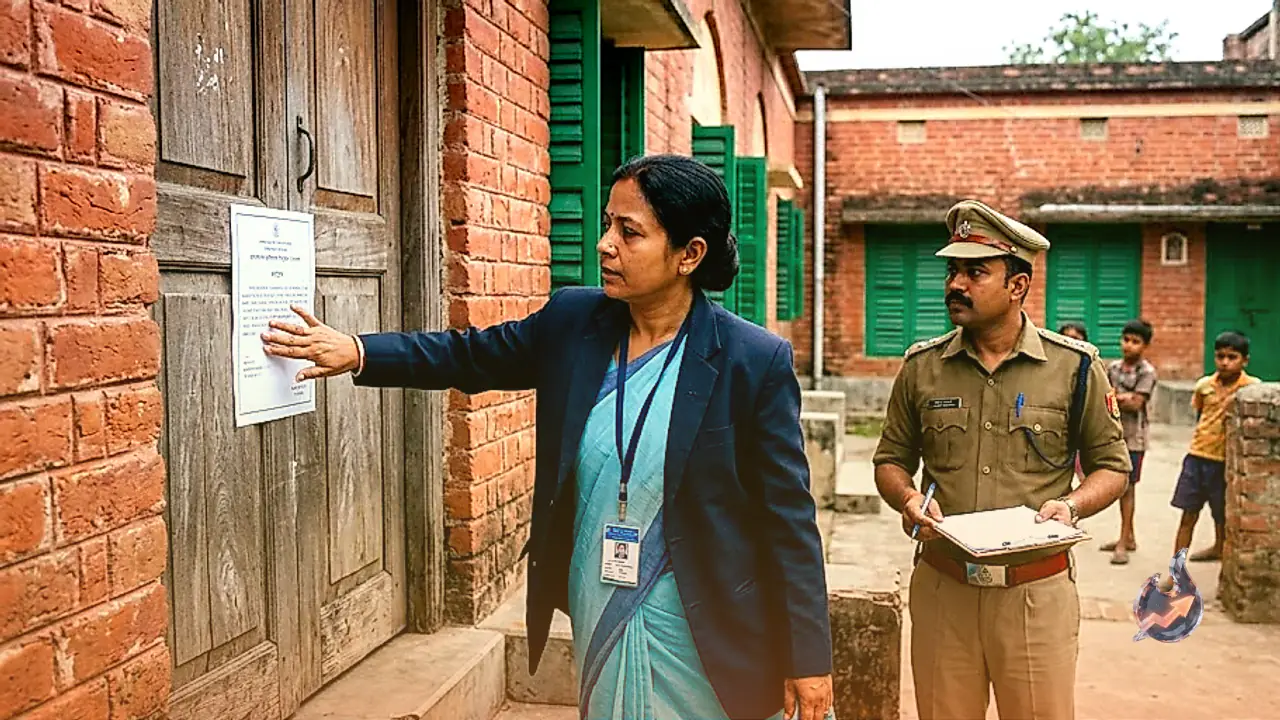

Authorities in West Bengal have initiated a major crackdown on madrasas operating across the state without the necessary government registration or official recognition. This decisive step follows a comprehensive survey conducted across 22 districts of the state as well as Kolkata. The survey revealed that a total of 2,396 madrasas were functioning without any mandatory government registration or approval from a recognized state board. Based on the findings of this survey commissioned by the Minority Affairs and Madrasah Education Department, closure notices have been immediately issued to 252 madrasas in the very first phase of the operation.
Details Revealed Through the Comprehensive Survey
According to official sources, the survey identified a total of 2,132 madrasas that were operating properly with all necessary registrations and valid recognition. However, district administration reports brought to light that 2,396 other institutions lacked the requisite registration or affiliation with any government board. Following thorough verification of these findings, the Directorate of Madrasah Education instructed 252 institutions to shut down their operations immediately. Copies of these notices have also been dispatched to the respective district magistrates, who have been instructed to ensure that the targeted institutions cease operations completely.
In addition to the closure notices, the administration has issued show-cause notices to 100 other madrasas. These institutions were found to have serious irregularities, and authorities have asked them to clarify the legal basis upon which they are operating. If these institutions fail to establish their legal validity, further closure actions will be initiated against them under the law. The authorities have maintained strict oversight to ensure compliance across all districts.
Scrutiny of Financial Sources and Infrastructure
The scope of the survey extended far beyond merely checking the registration status of the madrasas. Investigators also collected detailed information regarding management structures, the exact number of enrolled students and their identities, faculty details, available infrastructure, and the financial sources funding these institutions. The state government is not relying solely on district administration reports; separate state-level inspection and verification teams are actively cross-checking the information. These specialized teams are matching district reports with ground realities to gain a clear and accurate picture of unregistered or unrecognized institutions.
Plans to Strengthen Monitoring and Regulatory Framework
The government is currently preparing to tighten the oversight mechanism governing unrecognized madrasas even further. According to official action reports, a proposal to amend existing madrasah laws or issue a fresh notification is already under active administrative process. This initiative aims to establish a clear legal framework for the registration, verification, inspection, and regulation of madrasas. Moving forward, the formal procedure to shut down non-compliant institutions under updated rules will form an integral part of this strengthened regulatory system.