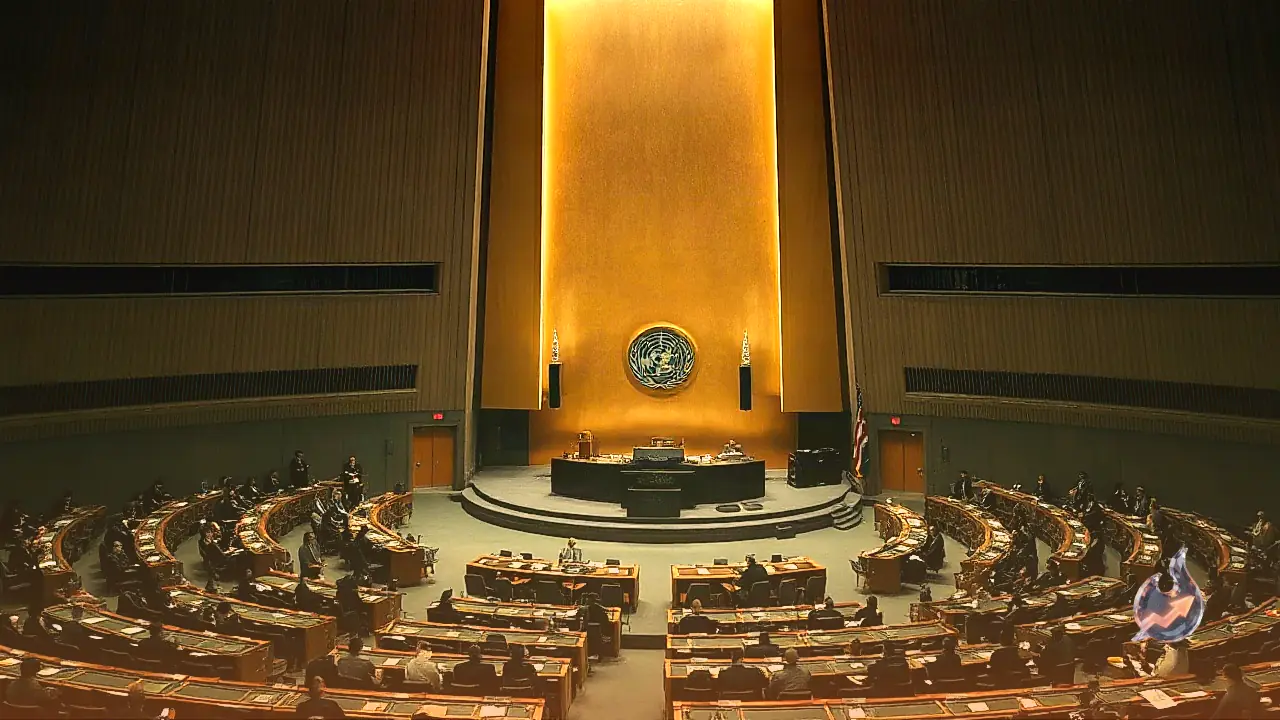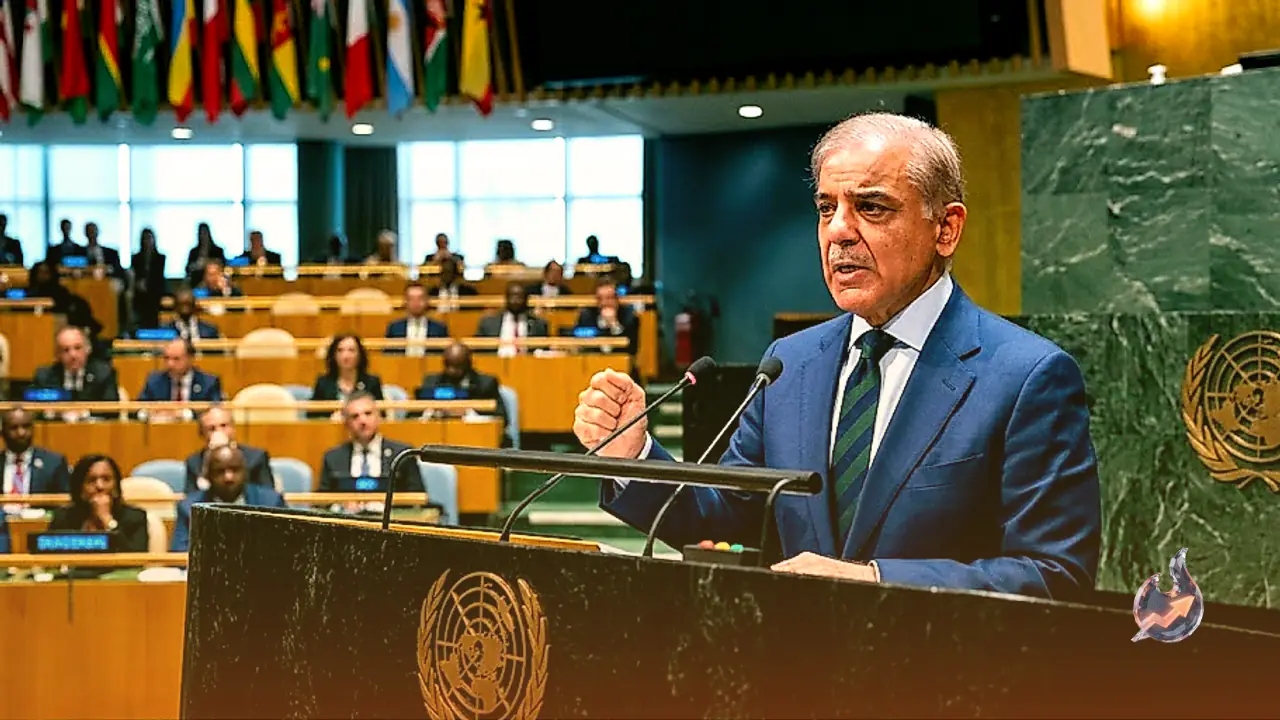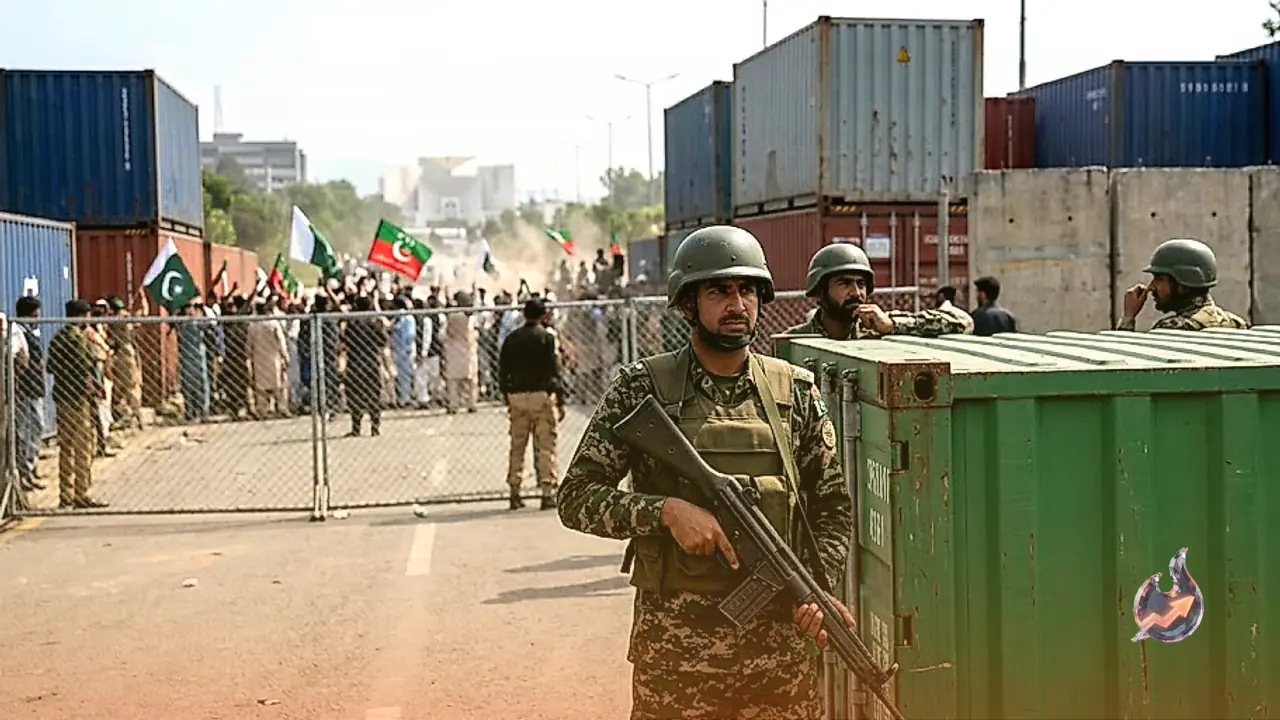



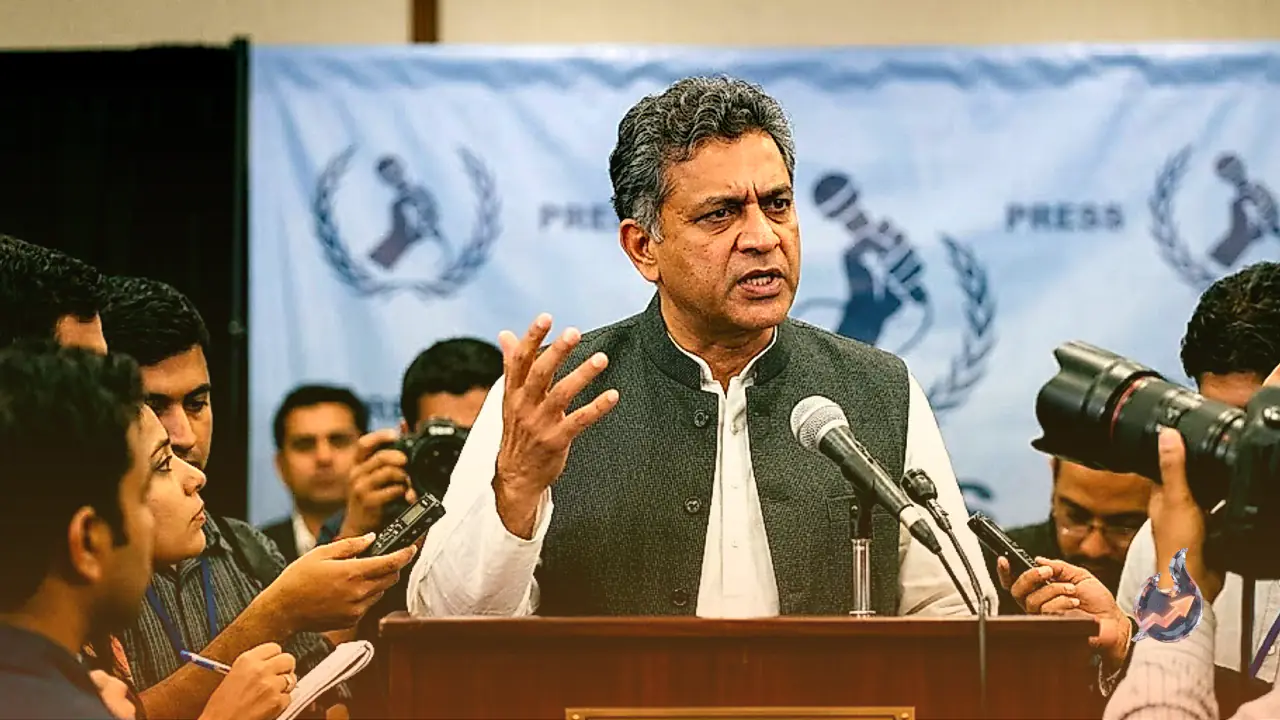


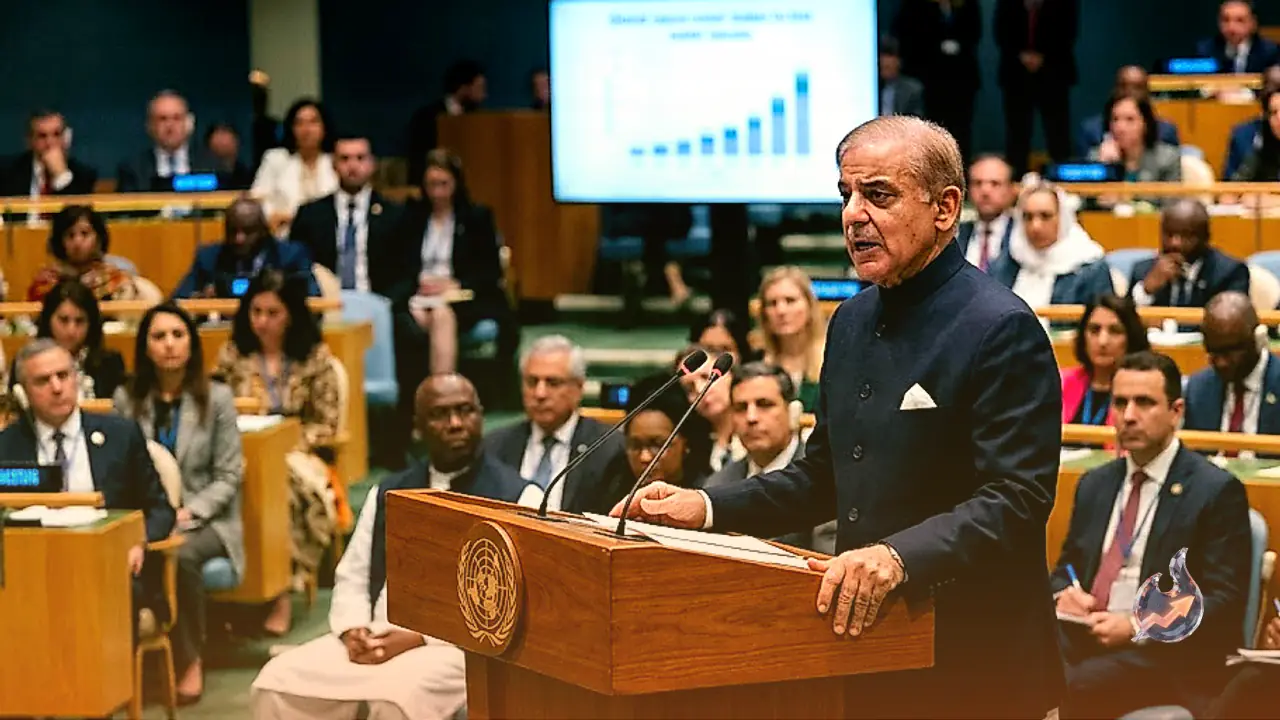















The geopolitical rivalry between India and Pakistan took center stage once again during the 81st United Nations General Assembly (UNGA) session in New York. Addressing the global gathering, Pakistani Prime Minister Shehbaz Sharif chose to utilize his speech to launch severe accusations against India and issue a direct warning regarding the bilateral water sharing arrangement. However, the attempt to gather international sympathy and project military capability was quickly countered by Indian officials, who dismissed the claims with sharp sarcasm and factual reminders of the ground reality.
Sharif’s Aggressive Stance on the Indus Water Treaty
Speaking before the international community, Prime Minister Shehbaz Sharif raised the issue of water sharing, claiming that his nation was being deprived of its rightful resource share. He went a step further by issuing an explicit threat, stating that any attempt to block or redirect the water flows allocated to Pakistan under the Indus Water Treaty would be interpreted as a direct act of war. Sharif’s rhetoric appeared aimed at elevating the bilateral water issue to a critical global concern, seeking to pressure New Delhi.
In defending his administration's defensive stance and recent military actions, Sharif cited Article 51 of the UN Charter, which guarantees the inherent right of individual or collective self-defense. He characterized recent clashes as a response to external aggression, using the global platform to legitimize his military’s operational decisions. Sharif also lauded Pakistan Army Chief Field Marshal Asim Munir and the nation's armed forces, claiming that their defense strategies during Operation Sindhu had successfully neutralized Indian military maneuvers.
Invoking Trump's Mediation and the Kashmir Plebiscite
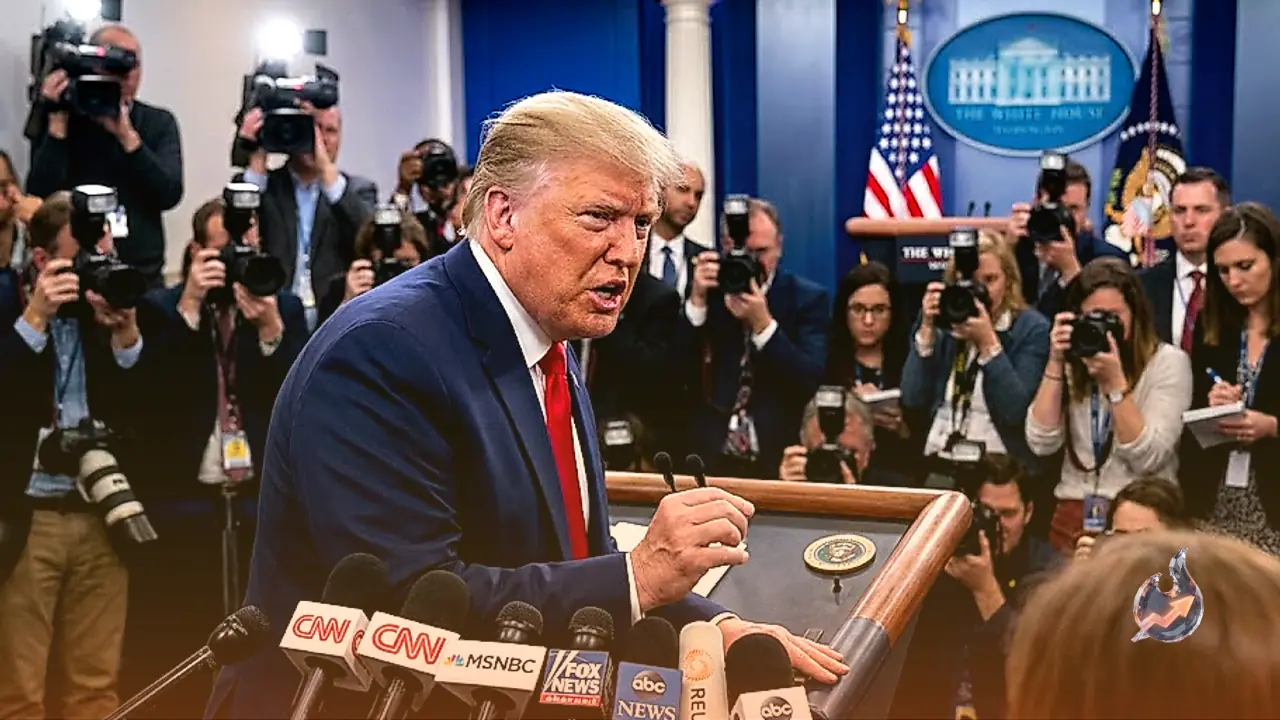
Beyond military defense, the Pakistani Prime Minister directed praise toward US President Donald Trump, thanking him for playing a pivotal role in defusing hostilities during a high tension period last year. According to Sharif, Trump’s timely diplomatic intervention helped broker a ceasefire that prevented the two nuclear armed neighbors from sliding into a devastating full scale war. This public appreciation highlights Islamabad's ongoing efforts to involve external superpowers in resolving bilateral disputes, a strategy that India has consistently opposed.
Sharif also utilized the UNGA platform to repeat Pakistan's long-standing stance on Jammu and Kashmir. He promised that his government would continue to offer complete diplomatic, political, and moral backing to the people of the region. He called upon the United Nations to oversee a public plebiscite to determine the future of the territory, reiterating a traditional demand that New Delhi has repeatedly rejected as an interference in its internal sovereignty.
New Delhi’s Sarcastic Rebuttal of Victory Claims
The response from India was swift and dripping with sarcasm. Senior Indian government officials completely rejected Sharif’s claims of military success and took a dig at the narrative being presented by Islamabad. Commenting on the Pakistani leadership's portrayal of the conflict, Indian sources mockingly observed that if devastated airstrips and charred aircraft hangars are what the Pakistani leadership defines as a military triumph, they are entirely welcome to celebrate those losses. This sharp retort directly questioned the validity of Pakistan’s claims regarding Operation Sindhu.
Indian officials further revealed that despite Pakistan's aggressive public grandstanding and initial threats of launching a massive military campaign, the reality on the ground was quite different. According to New Delhi, the Pakistani military actually reached out to beg for a cessation of hostilities to prevent further catastrophic damage to their defense infrastructure. India clarified that its military actions under Operation Sindhu were purely retaliatory, launched in response to intense cross-border provocations.
The Escalating Tensions Over Water and Geopolitical Deterrence
The heated exchange at the United Nations highlights the increasingly fragile state of the Indus Water Treaty. Tensions between the two nations had escalated significantly after the Pahalgam attack, leading India to postpone further meetings and activities associated with the water sharing agreement. Since then, Pakistan has repeatedly raised concerns over water security, viewing any potential diversion of river waters as an absolute red line that threatens its national survival.
While Pakistan attempts to leverage global platforms to internationalize the water dispute and secure domestic political support, India has maintained a firm, unyielding stance. New Delhi’s outright rejection of third-party mediation and its emphasis on Pakistan's military setbacks signal that normal diplomatic relations remain a distant prospect. For the foreseeable future, strict border vigilance and a robust defense posture will continue to define India's approach toward its neighbor.