























Tensions flared on Capitol Hill after former public health official Dr. Anthony Fauci invoked his constitutional right to remain silent during a US Senate committee hearing investigating the response to the Covid-19 pandemic. Over the course of the session, Fauci asserted his Fifth Amendment privilege more than 100 times. The move sparked immediate outrage among conservative podcasters and Republican lawmakers who are pushing to send Fauci to prison. However, constitutional scholars and legal experts emphasize that Republicans face formidable legal and procedural hurdles that make jailing Fauci practically impossible.
Fiery Clashes at Senate Hearing and the Fifth Amendment Defense
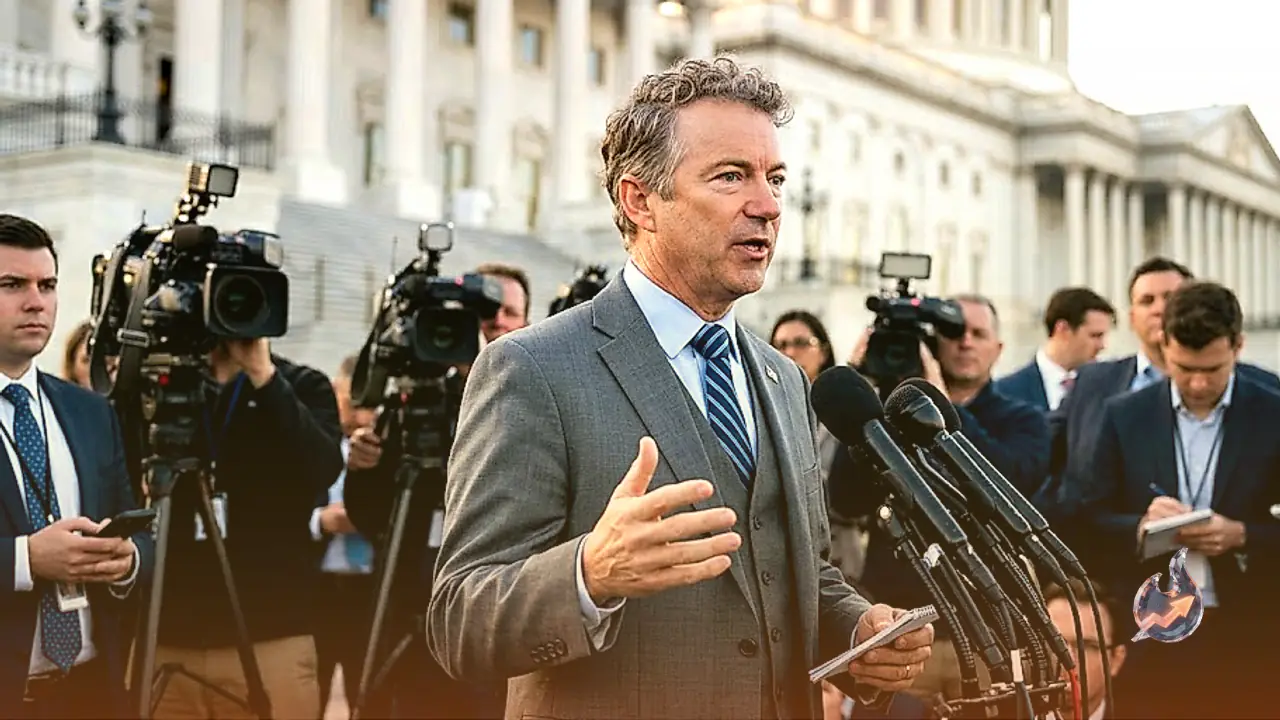
The committee hearing, chaired by Senator Rand Paul, was defined by sharp personal and political conflict. Paul has consistently accused Fauci of orchestrating a cover-up regarding the origins of Covid-19. In his opening remarks, Fauci addressed the chairman directly, characterizing Paul's persistent focus on him as an unhinged obsession. Fauci asserted that the sole objective of calling him to testify was to trap him into making statements that could be used to validate Paul's long-standing public campaign to put him behind bars.
Following Fauci's refusal to answer questions, prominent conservative figures voiced intense frustration. Steve Bannon, a former adviser to President Donald Trump, questioned on his War Room podcast why Fauci was not immediately handcuffed upon leaving the room. Bannon argued that the public is furious to see Fauci taking shelter behind constitutional protections. Far-right podcaster Matt Walsh similarly took to social media platform X, writing, "Why isn't he facing any real consequences?" Walsh demanded to know why Republican leadership was not taking direct punitive action.
Presidential Pardons, Legal Scope, and Constitutional Limits
Central to the ongoing debate is the preemptive presidential pardon issued to Fauci last year by former President Joe Biden. The pardon granted Fauci blanket immunity from federal criminal prosecution for any actions taken between 2014 and 2025. Crucially, however, the executive pardon offers no legal protection for statements, actions, or conduct occurring after the 2025 threshold.
Senator Rand Paul and several Republican allies contend that accepting a presidential pardon automatically forfeits an individual's Fifth Amendment protections against self-incrimination. Citing an 1896 Supreme Court precedent, Paul asserted that courts must resolve whether someone holding a pardon retains the right to remain silent. Paul publicly stated after the hearing that he believes there is a viable legal pathway to prosecute Fauci under this theory.
Contempt of Congress Proceedings and Senate Vote Math
Senator Paul announced plans to hold a committee vote next week on whether to cite Fauci for contempt of Congress. A formal contempt conviction carries statutory penalties of up to one year in prison and a maximum fine of $100,000. Should the committee approve the citation, the measure would advance to the full Senate floor for a final vote.
Procedurally, passing a contempt resolution on the Senate floor requires a 60-vote supermajority. Given the current composition of the Senate, achieving 60 votes would necessitate significant support from Democratic senators who strongly oppose the effort. Consequently, analysts view the contempt push primarily as a symbolic political maneuver rather than a viable mechanism for imprisonment.
Precedents Involving Steve Bannon, Mike Flynn, and Paul Manafort
The intersection of presidential pardons, congressional subpoenas, and contempt charges has notable historical precedents. In 2020, before concluding his term, Donald Trump pardoned several high-profile associates, including former national security adviser Mike Flynn and former campaign manager Paul Manafort. Legal scholar Aziz Huq observed at the time that individuals holding pardons could potentially face contempt charges if they refused to testify regarding unpardoned matters or post-pardon events.
Steve Bannon experienced a similar situation after receiving a pardon from Trump in 2021. That pardon was strictly limited to federal charges concerning the "We Build the Wall" fundraising scheme, in which organizers were accused of defrauding donors of funds designated for border wall construction. When Bannon subsequently refused to comply with subpoenas for documents and testimony from the congressional committee investigating the January 6, 2021 Capitol attack, he was prosecuted for contempt of Congress in 2022 and sentenced to four months in prison. Fauci's legal position differs fundamentally, as he asserted the Fifth Amendment regarding potential testimony given during the live hearing itself rather than past pardoned conduct.
Legal Analysis: Why Experts Say Prosecution Will Fail
Constitutional experts broadly reject the notion that Republicans can successfully jail Fauci over his testimony. Barbara McQuade, who served as US attorney for the Eastern District of Michigan from 2010 to 2017, explicitly dismissed the feasibility of Paul's strategy. When asked if senators could jail Fauci, McQuade stated, "The answer is no." She explained that every person retains a constitutionally protected right against self-incrimination whenever they face a genuine apprehension of criminal prosecution. A pardon for prior acts does not strip a witness of protection against future charges arising from new testimony.
Constitutional scholar Aziz Huq noted that executive pardons cannot shield future conduct. If a witness fears being ensnared in allegations of perjury or material omission during congressional questioning, invoking the Fifth Amendment remains legally sound. Furthermore, Supreme Court precedent affirms that even innocent individuals fearing prosecution due to ambiguous circumstances may lawfully exercise their right to remain silent.
Compelled Testimony Mechanisms and State-Level Inquiries
Congress does possess a legal mechanism to overcome a Fifth Amendment claim by issuing a formal grant of immunity. Under federal law, Congress can compel testimony if it grants the witness immunity preventing that testimony from being used in future criminal prosecutions. Such an order is binding on the Department of Justice as well. Without a formal immunity grant, however, Fauci's right to remain silent remains legally intact.
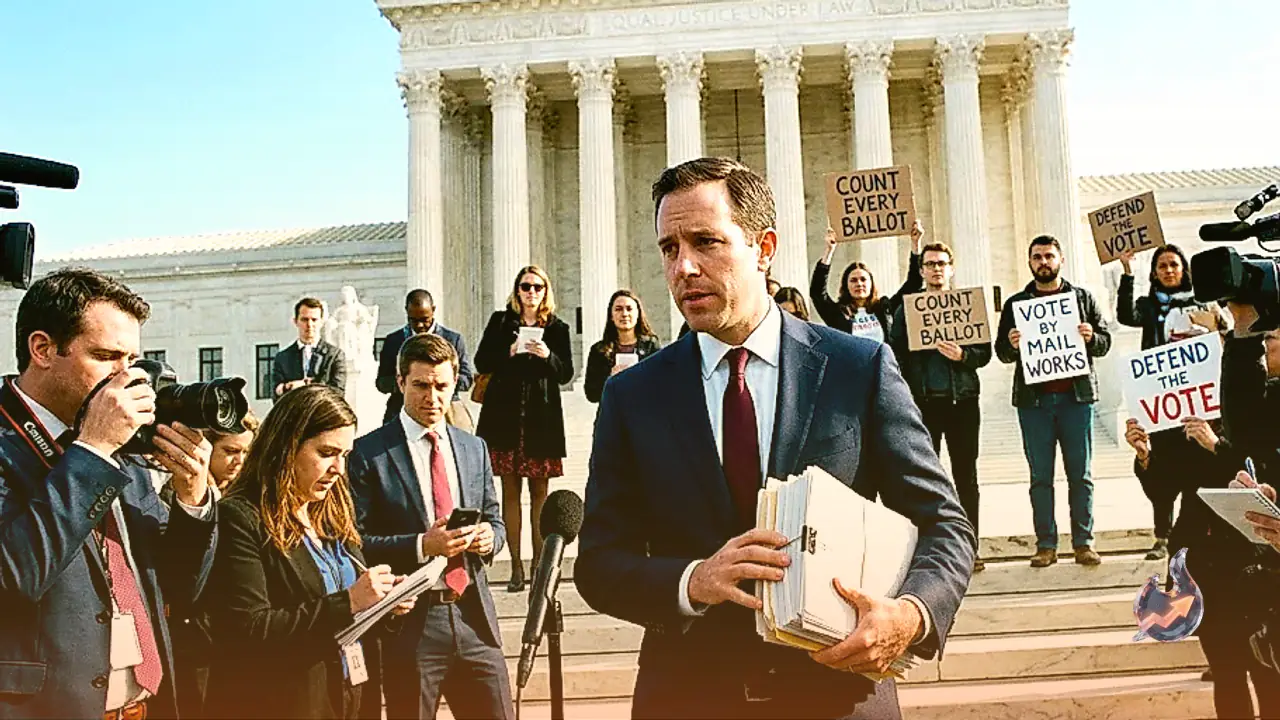
Nevertheless, state-level exposure remains a separate issue. Because Biden's presidential pardon applies strictly to federal offenses, individual state prosecutors are not bound by it. Hours after the hearing concluded, Florida Republican Attorney General James Uthmeier announced on X that his office was launching an investigation into Dr. Fauci regarding his pandemic-era decisions.
Fauci's legal representative, David Schertler, who was escorted from the committee room by security guards on Senator Paul's order, voiced full confidence in their strategy. Schertler affirmed that Fauci holds a valid Fifth Amendment privilege and rests on solid legal ground.