

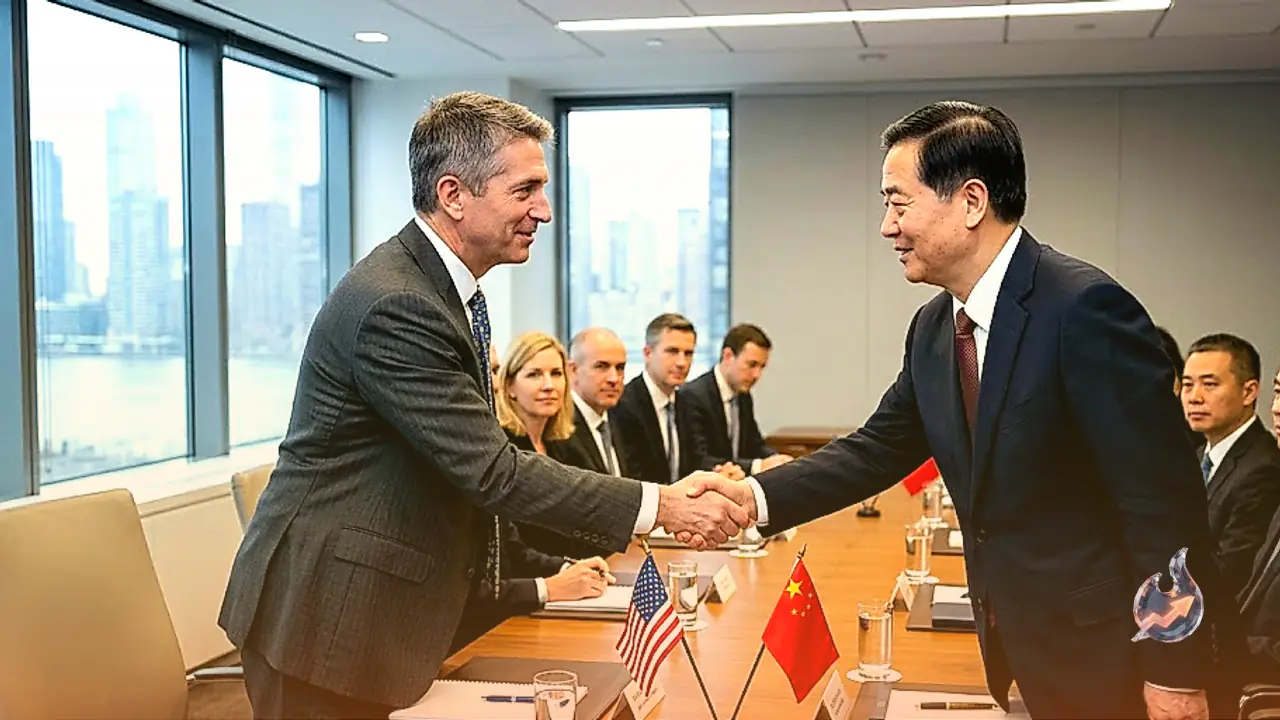




















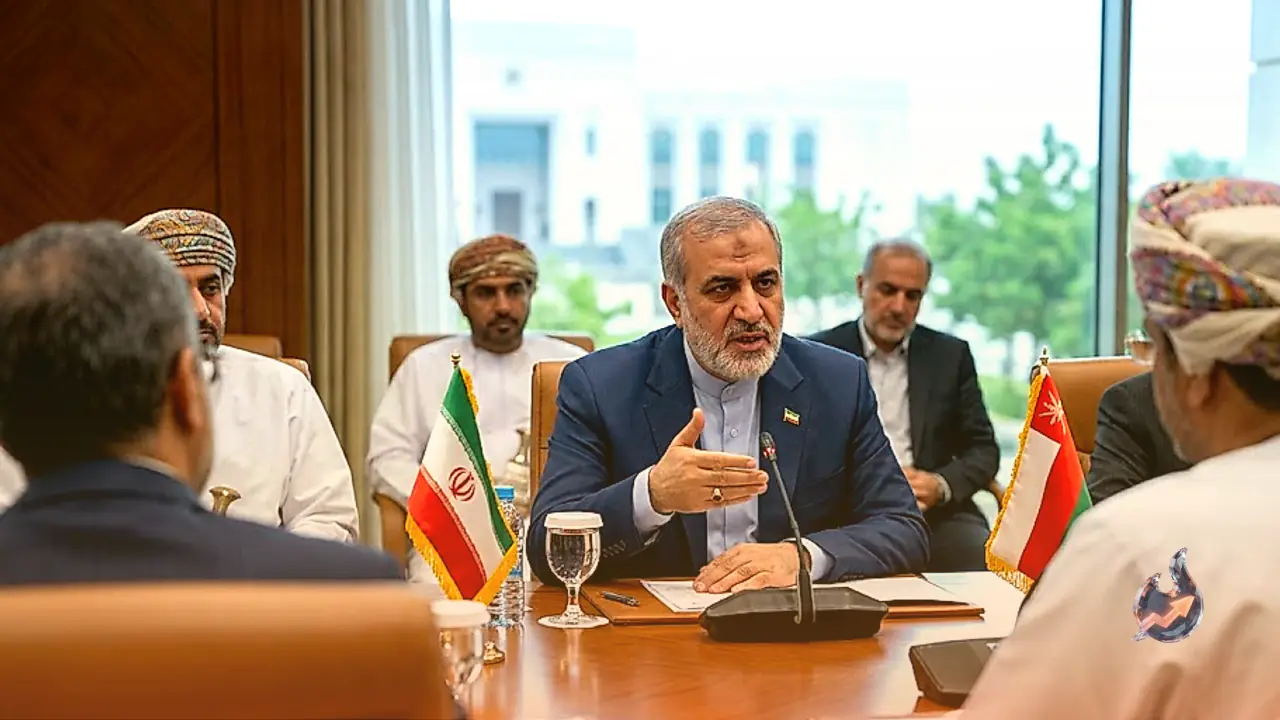

Tehran has confirmed that it is currently engaged in discussions with Oman to reach an understanding regarding a temporary route through the Strait of Hormuz, aiming to allow commercial shipping activities to resume safely. This announcement followed statements from US President Donald Trump, who asserted that fresh talks to conclude the ongoing conflict in Iran would commence on Monday and that he had called off massive military strikes on the nation specifically for this purpose. While Trump did not disclose the specific participants in these proposed discussions, Iranian officials firmly maintained that they were not negotiating with the United States and had no intentions of doing so.
Trump Outraged Over Tehran Denial on Social Media
The denial issued by Tehran appeared to provoke a strong reaction from the US president, who subsequently took to his Truth Social platform to criticize the Iranian leadership as being unbelievably duplicitous. Trump wrote that they request a meeting, with some describing it as begging, and once talks begin alongside scheduled future sessions, they openly and proudly claim that zero discussions are taking place and that they are dealing exclusively with Oman. Over the weekend, Trump had previously stated that the perimeters of a comprehensive deal had already been agreed upon, which would encompass the reopening of the vital Hormuz waterway whose closure by Iran had previously driven global oil prices significantly higher.
Dispute Over Strait Control and Military Posture
Since the onset of military attacks by the US and Israel in February, Tehran has repeatedly sealed off the strategic strait. However, Trump insisted on Monday that the waterway remained under US control and declared that no vessels would be permitted passage to Iran unless a total deal or complete surrender was achieved. Speaking aboard Air Force One on Sunday, he remarked that Iran understood the full extent of the planned strikes because they witnessed the buildup, noting that negotiations were set to begin on Monday afternoon. Trump refrained from imposing a strict deadline for reaching an agreement, stating that they would evaluate the situation as it developed and that his primary goal was not taking lives.
Regional Diplomacy and Falling Global Oil Markets
Furthermore, Trump revealed that Saudi Arabia's Crown Prince Mohammed Bin Salman, alongside key US regional partners including the United Arab Emirates and Qatar, had strongly urged him against executing military strikes over the weekend. He explained that authorities were fully prepared to launch operations but held back because regional leaders believed a deal regarding Hormuz and nuclear matters was attainable. Following these announcements, global oil prices experienced a downward trend during Monday morning trading in Asia. Brent Crude oil registered a 4.5% decline, trading at $83.98, while US-traded oil fell by 4.6% to reach $80.74.
Shipping Disruptions and Historical Context of Failed Talks
Energy markets have remained volatile since the conflict broke out on 28 February, driven by continuous disruptions to maritime transit through the Strait of Hormuz, through which roughly 20% of the world's crude oil and liquefied natural gas typically flows. Vessel-tracking data compiled by trade intelligence firm Kpler indicates a notable slowdown in commercial traffic, recording 51 crossings between 30 July and 2 August, which represents an approximate 28% decrease compared to the 71 crossings logged over the preceding four-day period. Previous diplomatic efforts mediated by international parties collapsed last month, dismantling a fragile ceasefire brokered in April and returning the region to an ongoing cycle of retaliatory military exchanges.