




















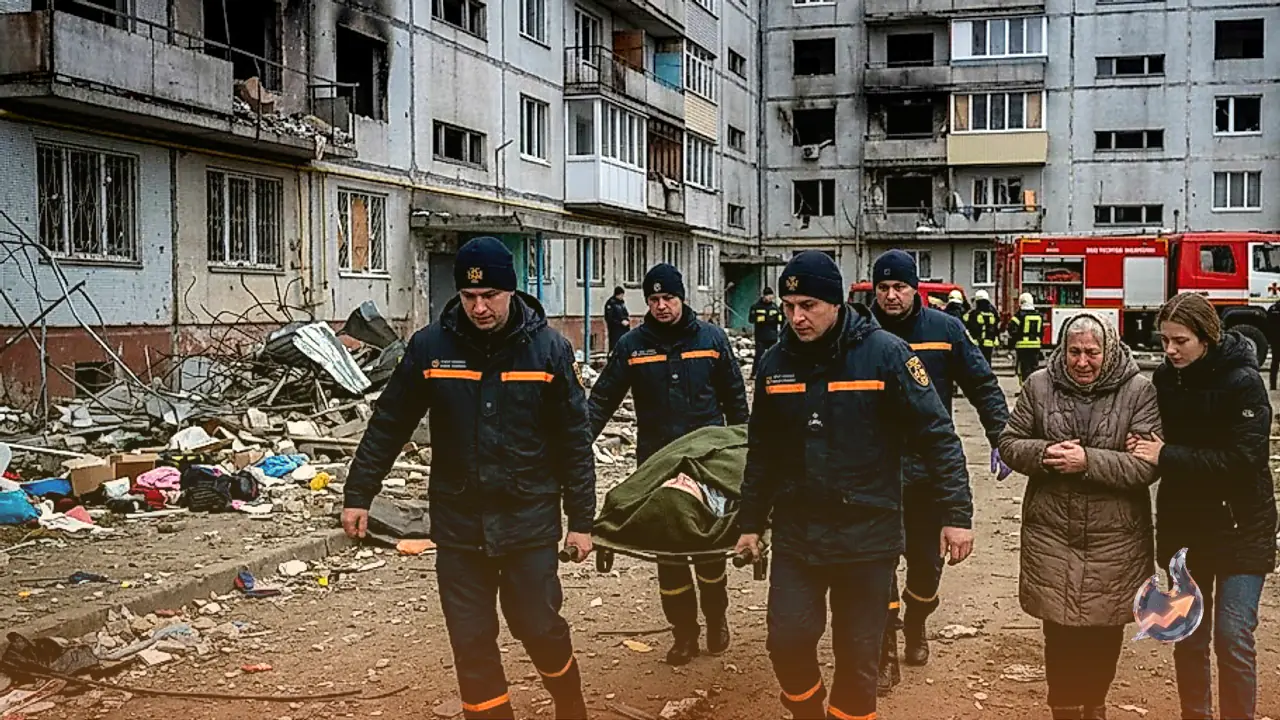

A devastating overnight aerial bombardment around Kyiv has exposed Ukraine's worsening air defense vulnerabilities, resulting in widespread destruction and severe casualties. Russian forces deployed a massive combination of 115 uncrewed drones and 24 high-velocity ballistic missiles across Ukrainian territory during the early hours. Although Ukrainian defense networks managed to destroy most of the incoming drones, they failed to neutralize a single ballistic missile due to a critical shortage of interceptor munitions. The intensive strikes claimed the lives of 21 people and left dozens of others injured, emphasizing the deadly operational impact of delayed military shipments from Western allies.
Heavy Russian Bombardment Destroys Key Logistics Infrastructure
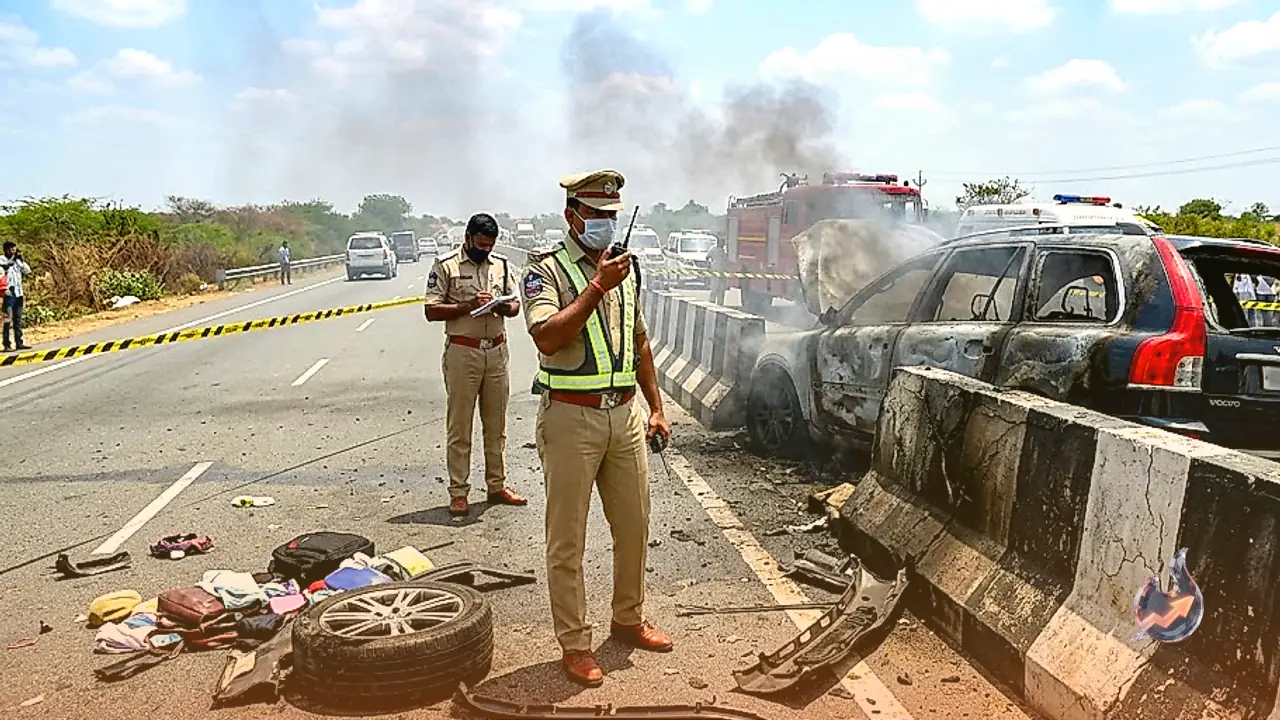
The overnight Russian assault specifically targeted crucial supply, trade, and transportation hubs across the region. Incoming warheads damaged multiple commercial storage complexes, a facility belonging to an online retailer, and a postal sorting hub. Near the capital, the industrial surroundings of Kvitneva experienced widespread damage as missile impacts set commercial structures on fire. Hours after the initial strikes, a large warehouse situated adjacent to the rail line continued to smoulder, while emergency firefighters battled another massive warehouse blaze down the road that remained active more than 12 hours later. Initiated shortly after midnight with minimal advance warning, the assault marked one of the most intense bombardments endured by the Kyiv region in recent months.
Tragedy at Kvitneva Station and Immediate Recovery Operations
At the Kvitneva railway station platform near Kyiv, the immediate scene following the missile strike revealed catastrophic damage. Eight individuals lost their lives directly on the pockmarked platform, where personal items such as shoes, eyeglasses, and torn garments lay scattered. Emergency medical workers removed white body bags from the platform to waiting ambulances. Immediately following the recovery of victims, specialized maintenance crews deployed to execute emergency repairs on the overhead electrical lines powering the train tracks. These rapid cleanup operations and infrastructure restorations reflect the harrowing routine that Ukrainian residents have had to navigate across four and a half years of conflict.
A Resident's Survival Story Amid Rising Danger
The structural impact of the barrage extended directly into adjacent residential areas near the station. Local resident Anastasiia Dudley and her mother survived a direct strike on their residential property, escaping without physical injury despite heavy structural destruction. Their three-storey house, which included a structural roof, had its entire upper level sliced off when an incoming drone struck the building a few hours before the subsequent missile strikes on the nearby warehouse and railway station. Looking up at the leaning walls of her home, Dudley noted that the remaining two storeys were structurally unstable. Having lived through four and a half years of war, she remarked that this overnight assault was her scariest night since Russia launched its full-scale invasion in February 2022.
Severe Interceptor Shortage Leaves Sky Defense Vulnerable
The tragic outcome of the recent barrage highlights Ukraine's growing vulnerability to Russian ballistic attacks as ammunition stocks dwindle. For years, Ukrainian military forces have depended on US-supplied Patriot air defense systems to neutralize advanced ballistic threats. However, while launch units remain available, the specialized interceptor missiles needed to operate them are severely depleted. Technical defense standards dictate that at least two Patriot interceptors must be launched to reliably destroy a single incoming ballistic missile. With Patriot batteries possessing an operational range of approximately 160 kilometers (99 miles), positioning launcher units to protect broad geographic areas remains challenging. Conversely, Russian forces deploy an average of 20 to 30 ballistic missiles per major barrage, easily overwhelming defense setups short on ammunition. During a strike the previous week, air defenses intercepted only one out of 27 incoming missiles.
Political Pressure for Urgent Western Defense Shipments
In his address following the strikes, President Volodymyr Zelensky directly linked delays in Western military aid to the ongoing loss of life. Zelensky remarked, "Ballistic missile interceptors could have saved the lives of those killed today." The Ukrainian president emphasized that ammunition shortages directly encourage Russian forces to execute increasingly aggressive strikes on civilian and commercial infrastructure. He stated that the survival of people across Ukraine depends daily on the prompt decisions of partner nations in Europe and North America, confirming that he held direct discussions with NATO chief Mark Rutte to secure urgent shipments of interceptor missiles.
Military Analysts Warn Exposed Launchers Face Direct Targeting
Ukrainian military expert and former intelligence service officer Ivan Stupak offered a blunt evaluation of the air defense crisis. Stupak explained, "Imagine you own a Lamborghini but have no fuel." He noted that possessing advanced defense hardware without interceptor missiles is equivalent to owning a high-performance vehicle without petrol. Beyond leaving civilian zones unprotected, the lack of interceptors leaves the valuable Patriot units themselves exposed to enemy destruction. Stupak warned that Russian forces are actively attempting to locate and destroy these high-value targets, requiring Ukrainian operators to constantly relocate or conceal the launch systems until new supplies arrive.