





















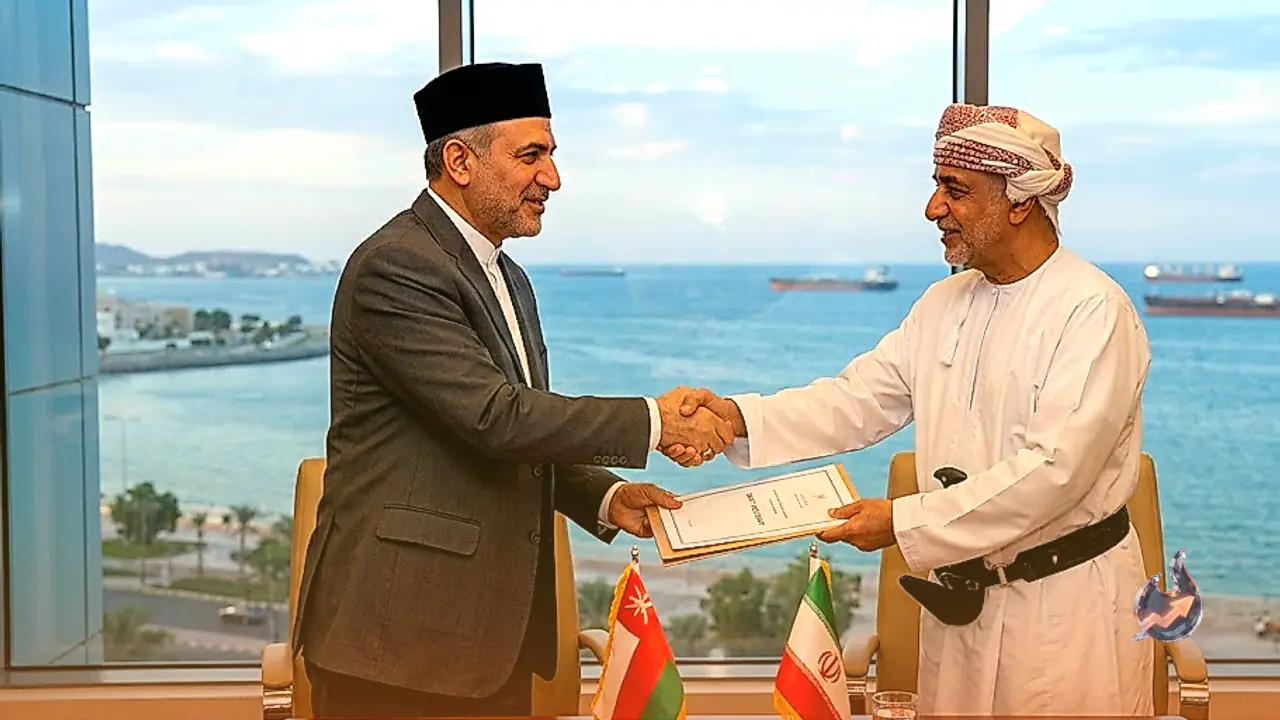

Negotiators from Iran and Oman have finalized a draft agreement aimed at reopening the Strait of Hormuz, bringing negotiations over the vital maritime transit route into their final stages. Substantial progress has been achieved during recent diplomatic discussions, paving the way for a potential major announcement within the next one to two days. High level talks held in Rome between representatives of the US, Iran, and Oman concluded on a positive note, raising hopes for an end to the shipping blockage that disrupted global energy markets.
Background and Causes of the Hormuz Waterway Conflict
The military confrontation commenced on February 28 when the US, operating alongside Israel, launched attacks with the primary objectives of removing the government in Tehran and dismantling Iran nuclear capabilities. However, as those strategic goals remained unfulfilled, the military campaign gradually evolved into a direct battle for operational control over the Strait of Hormuz.
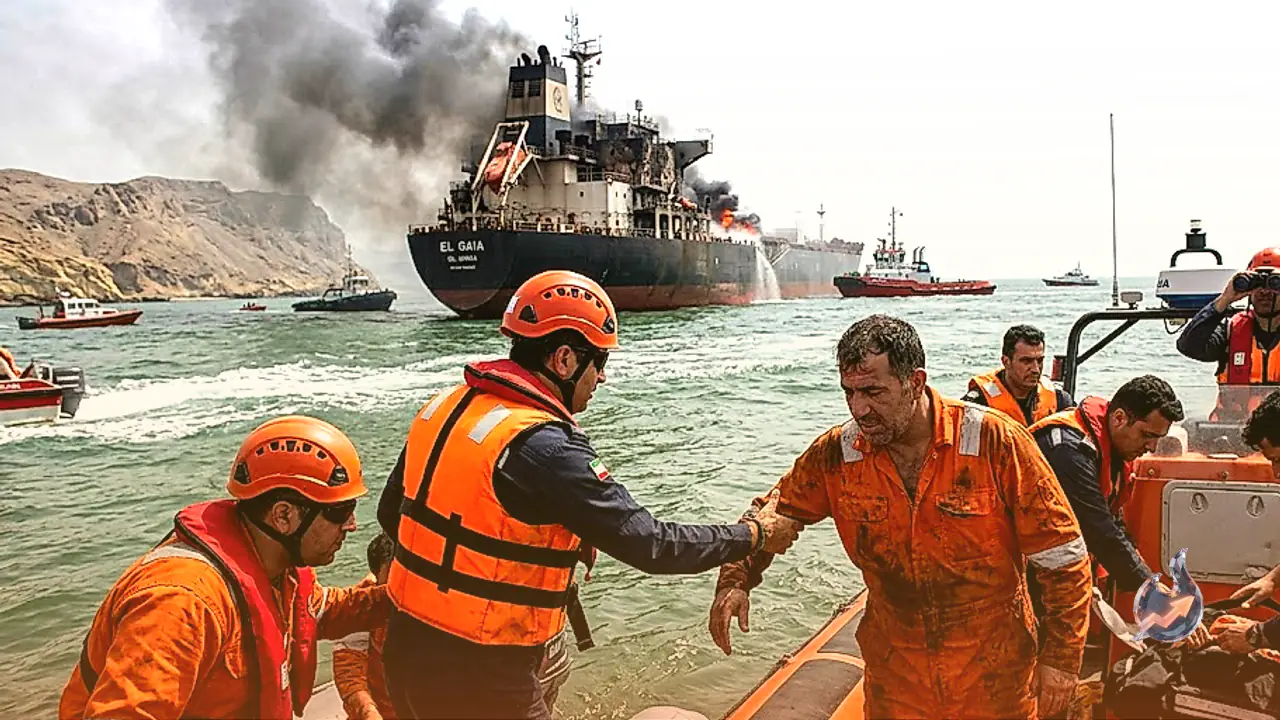
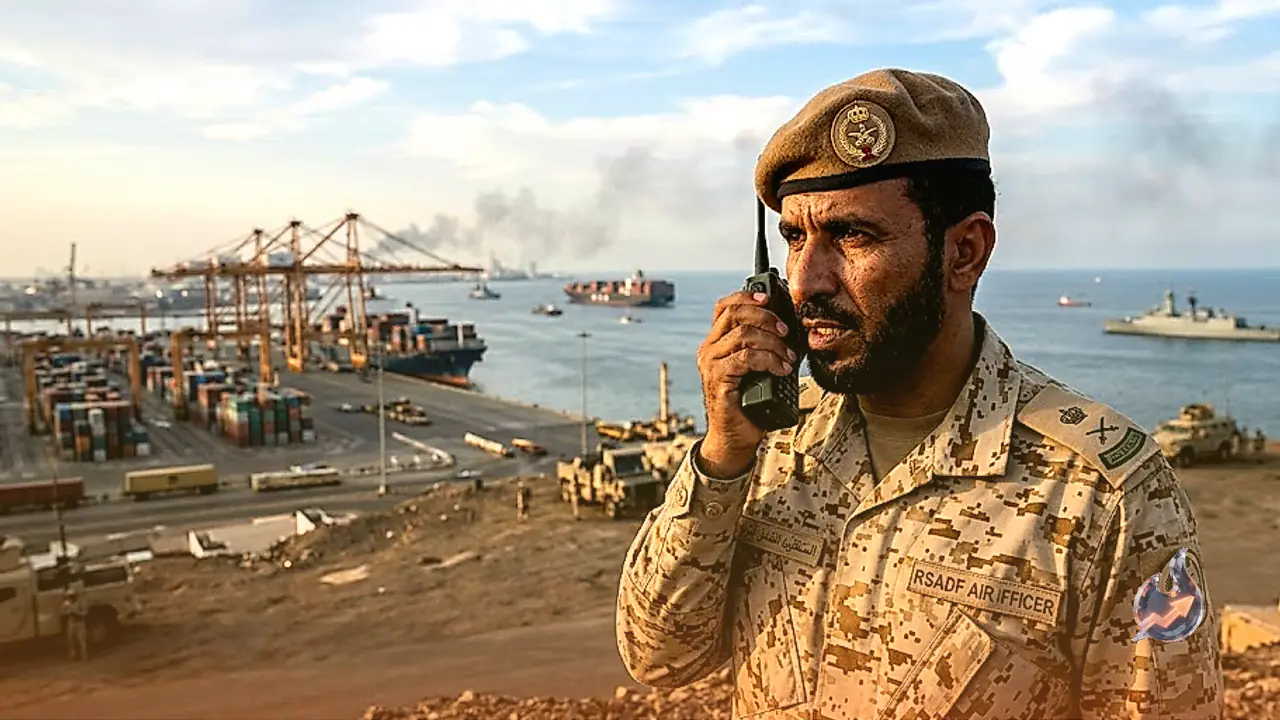
During the hostilities, Iranian strikes effectively crippled commercial shipping lines through this critical strategic choke point. The resulting disruption to international crude oil and natural gas shipments caused immediate volatility across world markets, pushing up prices for fuel and essential consumer commodities globally.
Rome Diplomatic Talks and Key Terms of the Draft Agreement
The second day of three way diplomatic sessions in Rome was brought to an early conclusion due to developments on the ground. Despite the early closure, a US State Department official stated that the discussions remained highly constructive, adding that all parties stand ready to resume negotiations on Thursday if necessary.
According to regional officials, the newly drafted agreement negotiated by Iran and Oman now awaits final approval from Iran Supreme Leader Ayatollah Mojtaba Khamenei. This arrangement is designed as a temporary framework that could eventually allow formal talks regarding Iran nuclear program to resume between Washington and Tehran.
US Conditions and Global Oil Market Reaction
Despite expressing optimism about the draft, the US has reaffirmed its firm position regarding maritime control. Washington had previously emphasized that it will not accept any setup that grants Iran full control over the Strait of Hormuz or permits Tehran to levy transit or security fees on passing commercial vessels.
News of a potential deal initially triggered a decline in international crude benchmarks, though prices subsequently rebounded. On Wednesday, Brent crude was trading near $80 per barrel, remaining visibly lower than the peak price levels recorded during the height of the military conflict.