





















The Nushki district of Balochistan is currently enduring a severe military blockade that has isolated the entire area from the outside world. Operating under directives associated with Pakistani Army Chief General Asim Munir, security forces have established a dense perimeter around the district. Observers compare the enforced isolation to the historical containment methods utilized by dictator Adolf Hitler in Nazi Germany, where civilian populations were trapped and subjected to systemic hardship. While toxic gas was employed in those historical concentration camps, the strategy in Nushki relies on cutting off food, clean water, and vital medicine to inflict suffering on non-combatants. Details of this deteriorating humanitarian crisis have been disclosed by the Baloch National Movement.
Total Encirclement and Blockade of Nushki District
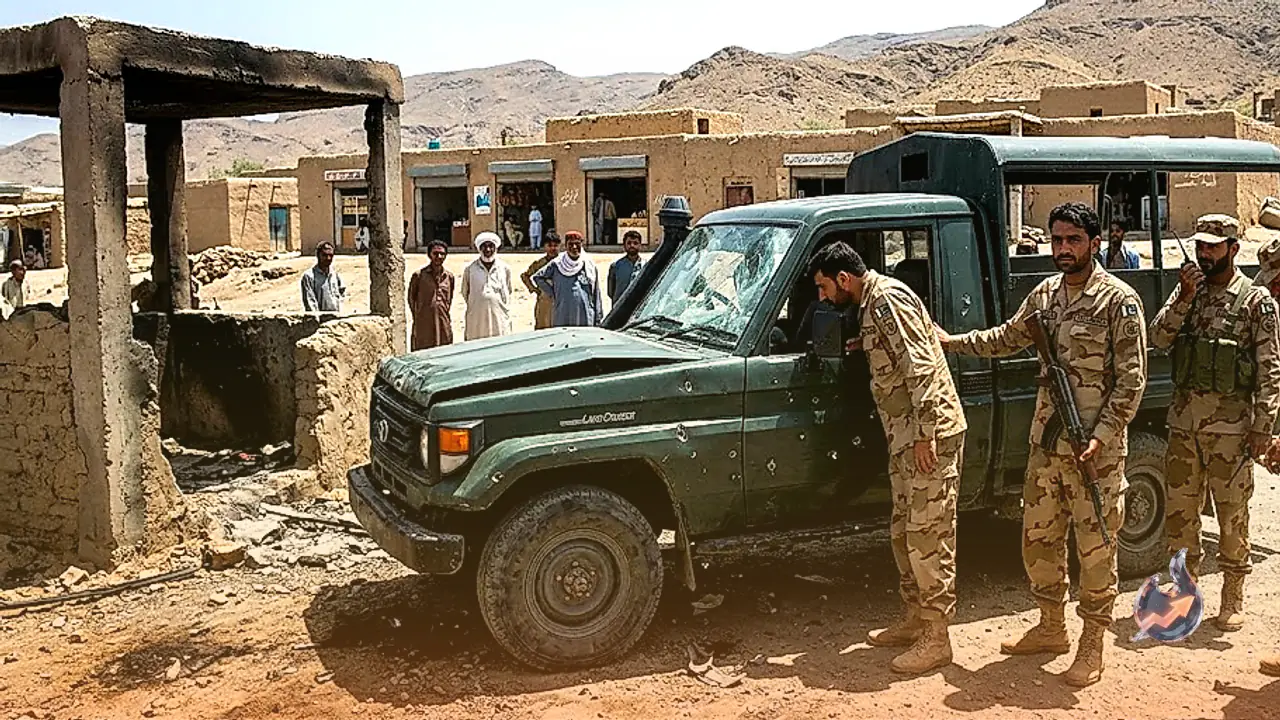
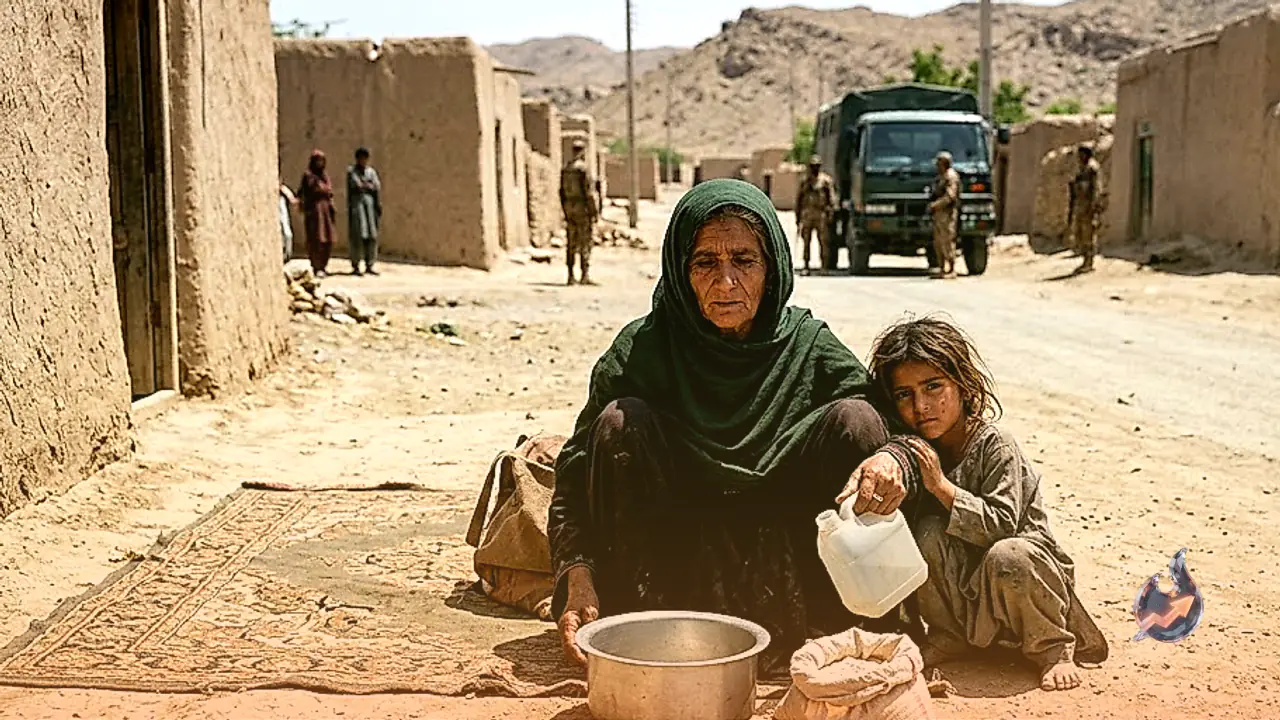
According to statements issued by the Baloch National Movement, Nushki district has been subjected to extreme movement restrictions by security forces for several consecutive months. All entry and exit points bordering neighboring areas have been completely sealed. Public transport networks, including regional buses and commercial trucks, have been ordered to cease operations across main transit routes. Local residents remain confined within their homes under curfew-like conditions. Without access to transportation or open roads, civilians are unable to flee the zone or travel to adjacent districts even during acute emergencies, leaving the entire local populace marooned.
Surge in Civilian Casualties and Enforced Disappearances
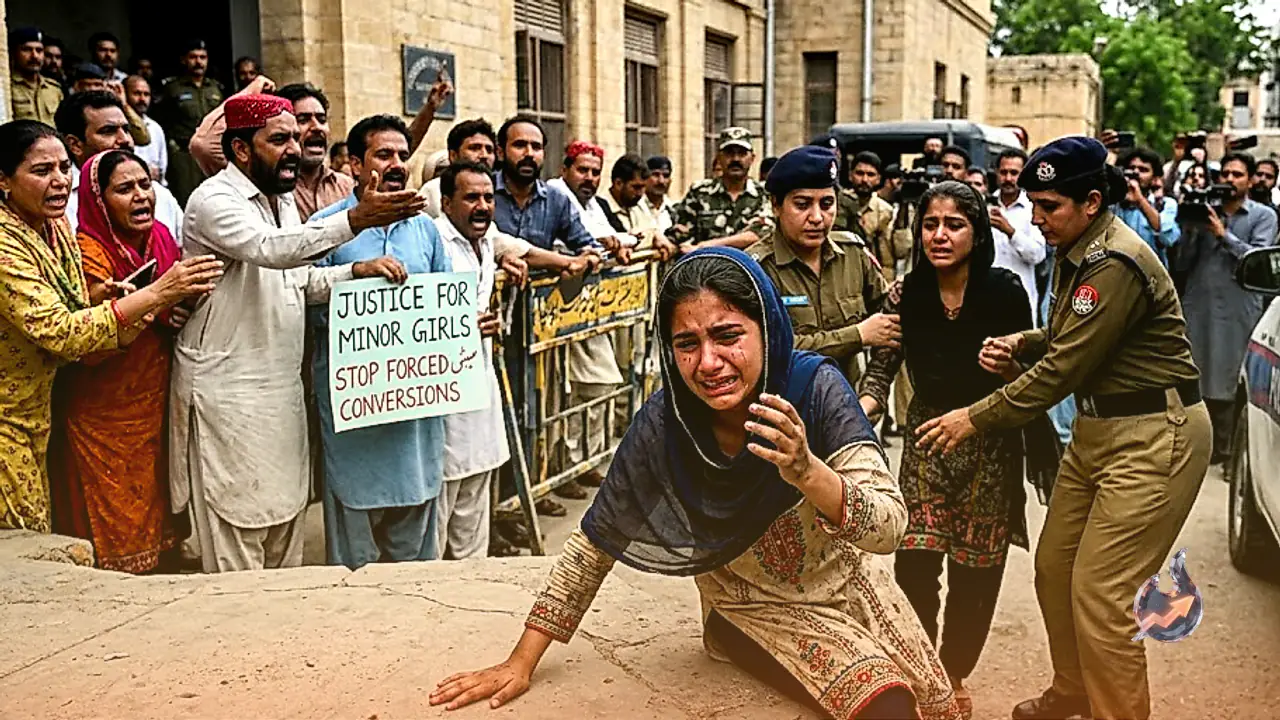
The military operations inside the district have been accompanied by a sharp escalation in human rights abuses. The Baloch National Movement confirmed that within the span of just one week, at least nine innocent Baloch civilians were killed during military actions. Furthermore, dozens of young individuals have been forcibly seized from their residences during night raids and taken to undisclosed locations. These targeted operations have spread widespread panic among residents, as armored military vehicles regularly enter civilian neighborhoods after dark, often followed by the discovery of bodies or permanent disappearances by morning.
Depletion of Basic Supplies and Medical Crisis
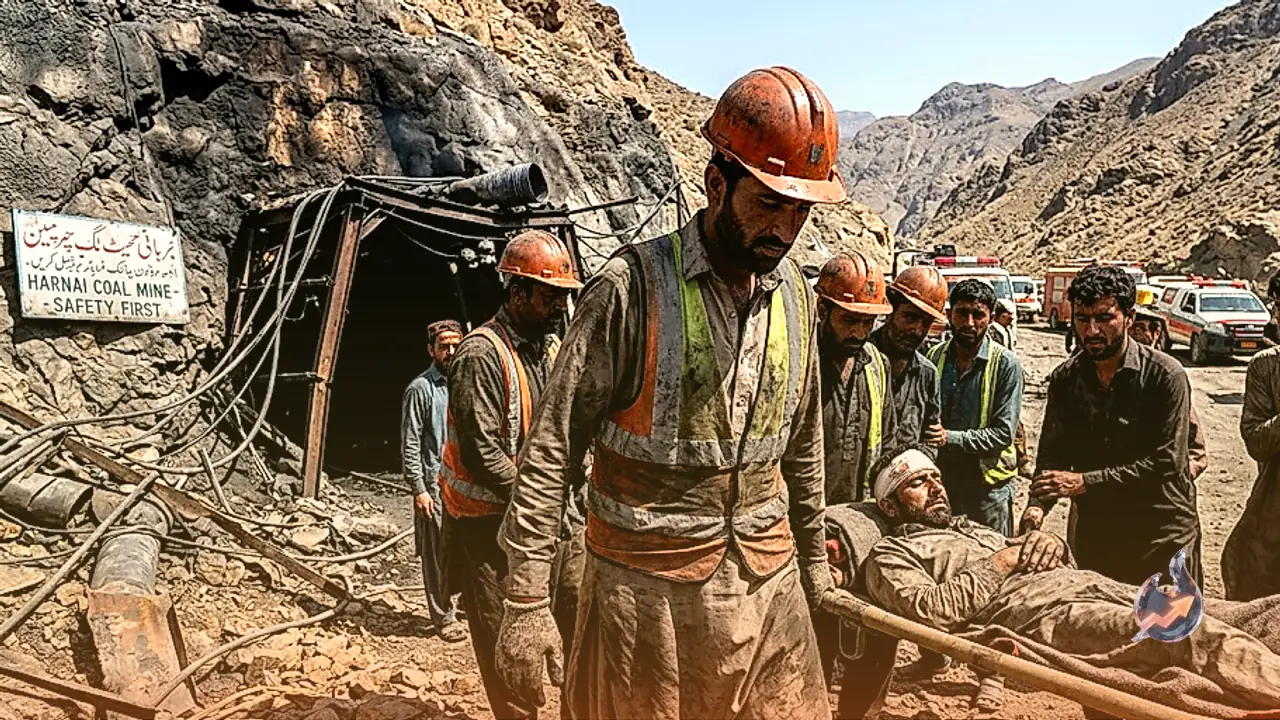
Due to the prolonged siege, commercial markets in Nushki have run out of essential food commodities and basic pharmaceuticals. Local shops and commercial markets have been forced to remain closed. This blockade has hit vulnerable groups hardest, including young children, elderly citizens, and individuals suffering from chronic health conditions. Reports indicate that infants are experiencing severe malnutrition, while sick individuals are dying due to the lack of lifesaving drugs. Emergency medical transit has also been disrupted, as ambulances carrying critical patients are routinely detained at military checkpoints and denied passage to medical facilities.
Property Destruction and Commercial Extortion
Serious allegations have been raised by the Baloch National Movement regarding the conduct of security personnel stationed around Nushki. Leveraging the strict curfew and civilian lockdown, troops have allegedly broken into locked commercial establishments and looted private property. Local business owners have suffered extensive financial damage as inventories are confiscated or destroyed. These actions have disrupted the local economy, leaving ordinary families without access to basic livelihood resources or trade.
Collective Punishment Framework and Community Resistance
Representing local perspectives, the Baloch National Movement described these military measures as a policy of collective punishment executed by the Pakistani state establishment. The organization asserted that when military units fail to counter armed Baloch freedom fighters directly, they redirect operations against vulnerable civilian communities. They noted that growing calls for self-determination in Balochistan have undermined military morale, prompting harsh measures against non-combatants to project control. The Baloch Yakjehti Committee has similarly condemned the blockade, labeling the collective isolation of Nushki a grave violation of international human rights norms.
Appeals to the United Nations and Global Human Rights Bodies
In light of the worsening humanitarian emergency in Nushki, Baloch organizations have collectively appealed to global institutions for urgent intervention. They have called upon the United Nations and international human rights watchdogs to investigate the blockade and press for an immediate end to military restrictions in the region. Despite the ongoing hardship, leadership within the Baloch National Movement urged citizens to maintain resilience and unity, affirming their conviction that the blockade will ultimately fail to crush the community's resolve.