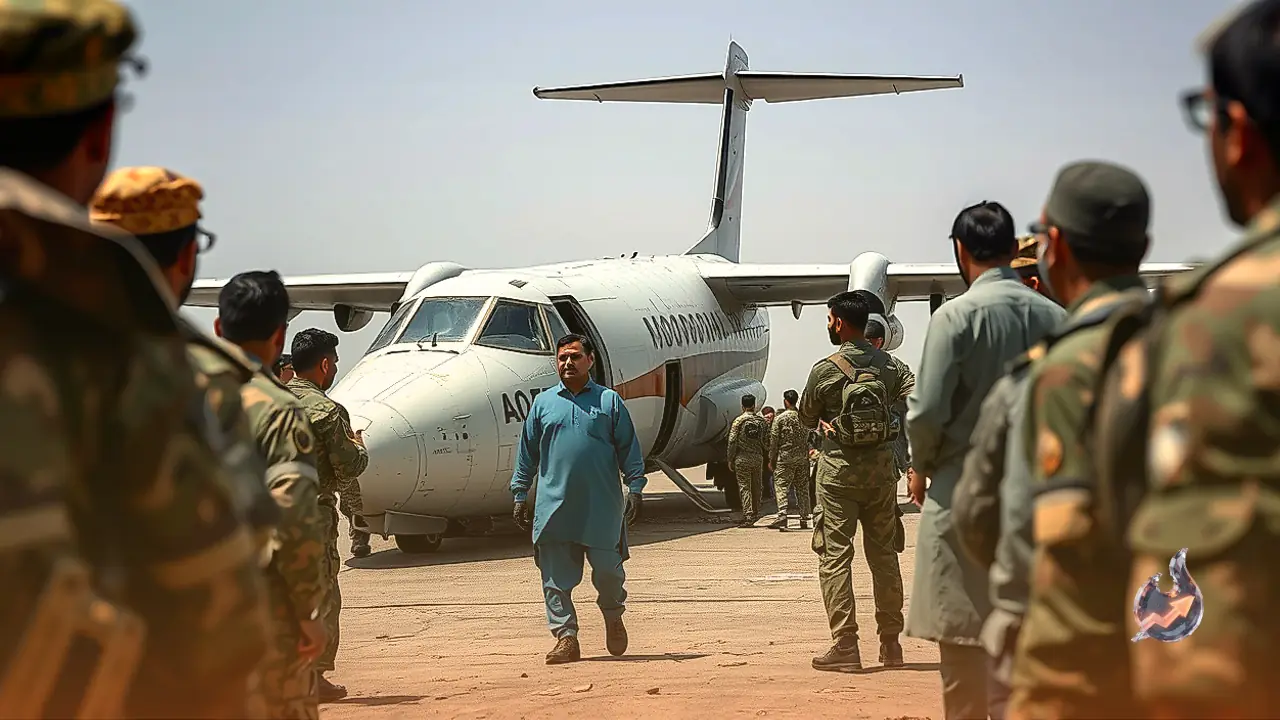


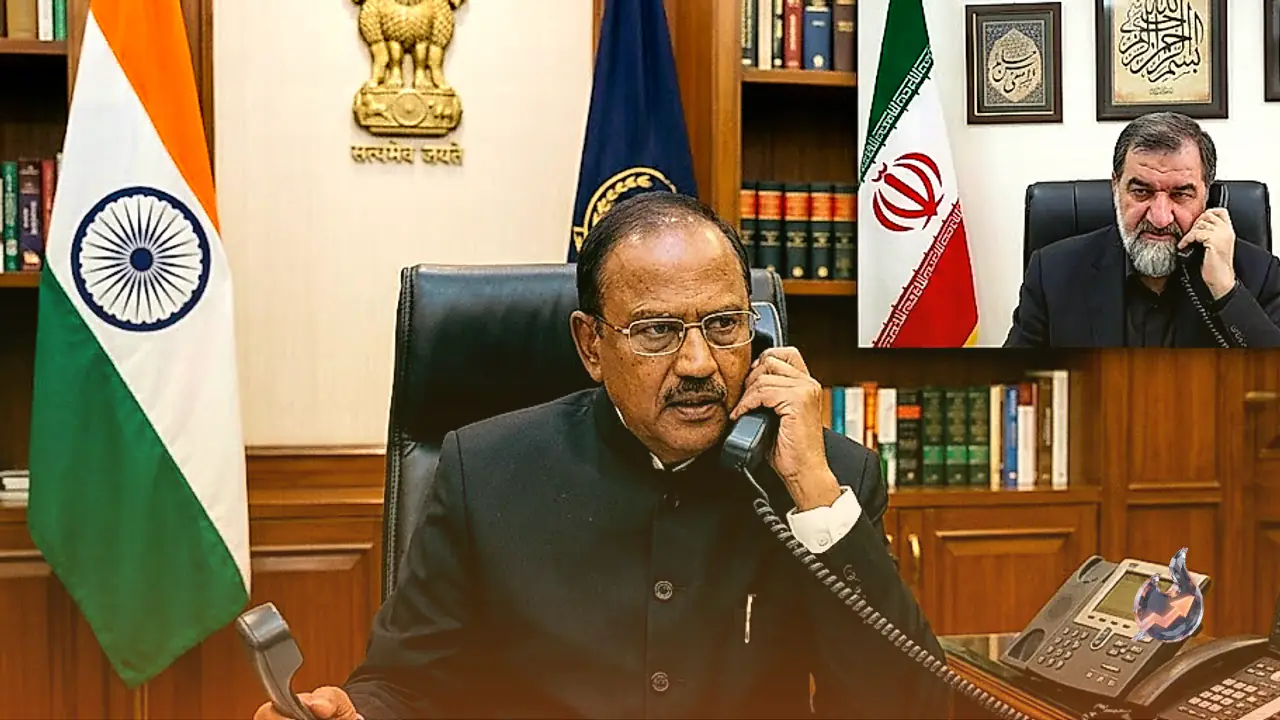
















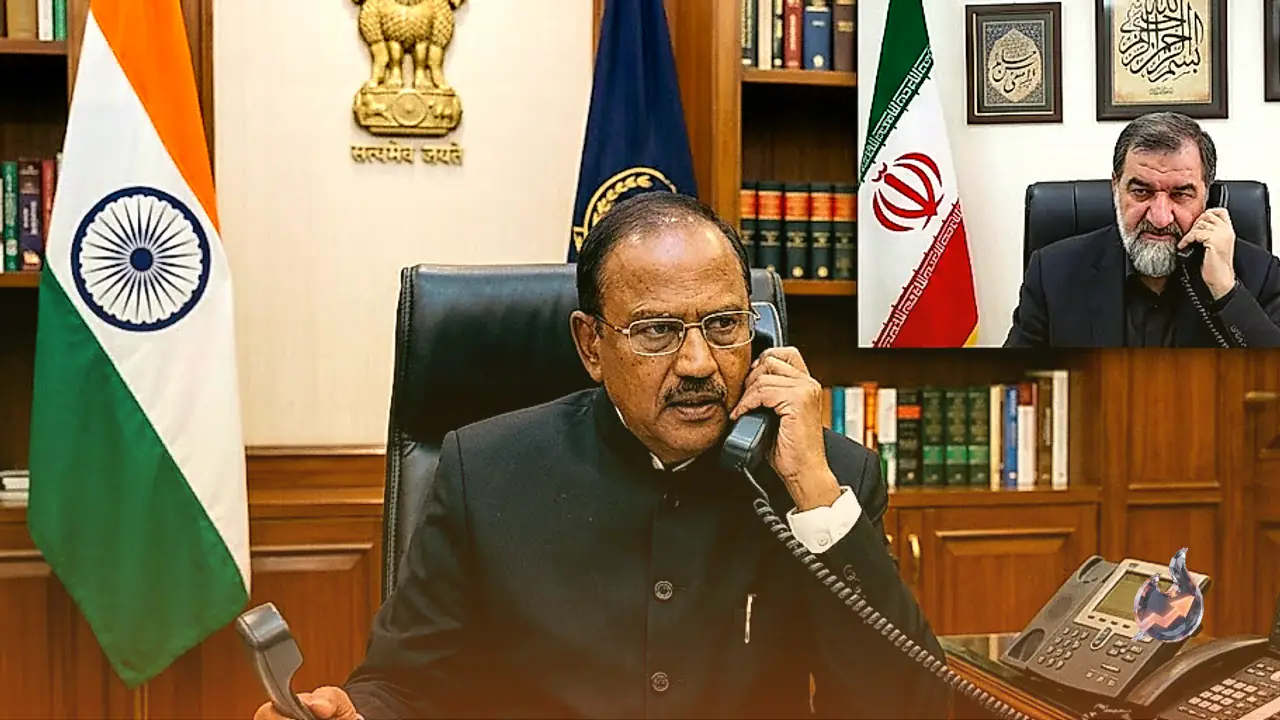

Amidst volatile conditions in West Asia, India has stepped up its diplomatic engagement as National Security Advisor Ajit Doval held a direct phone conversation with Mohsen Rezaee, the secretary of Iran's Supreme National Security Council. This high-level emergency contact is being viewed as a crucial step toward maintaining regional stability and safeguarding mutual interests. According to an official statement issued by the Iranian embassy, both security chiefs exchanged views on regional and international developments alongside key bilateral issues of mutual concern between India and Iran. The diplomatic outreach arrives at a time when tensions have flared up significantly across the region, stretching from the Red Sea to the Persian Gulf.
The Strait of Hormuz and Global Trade Disruptions
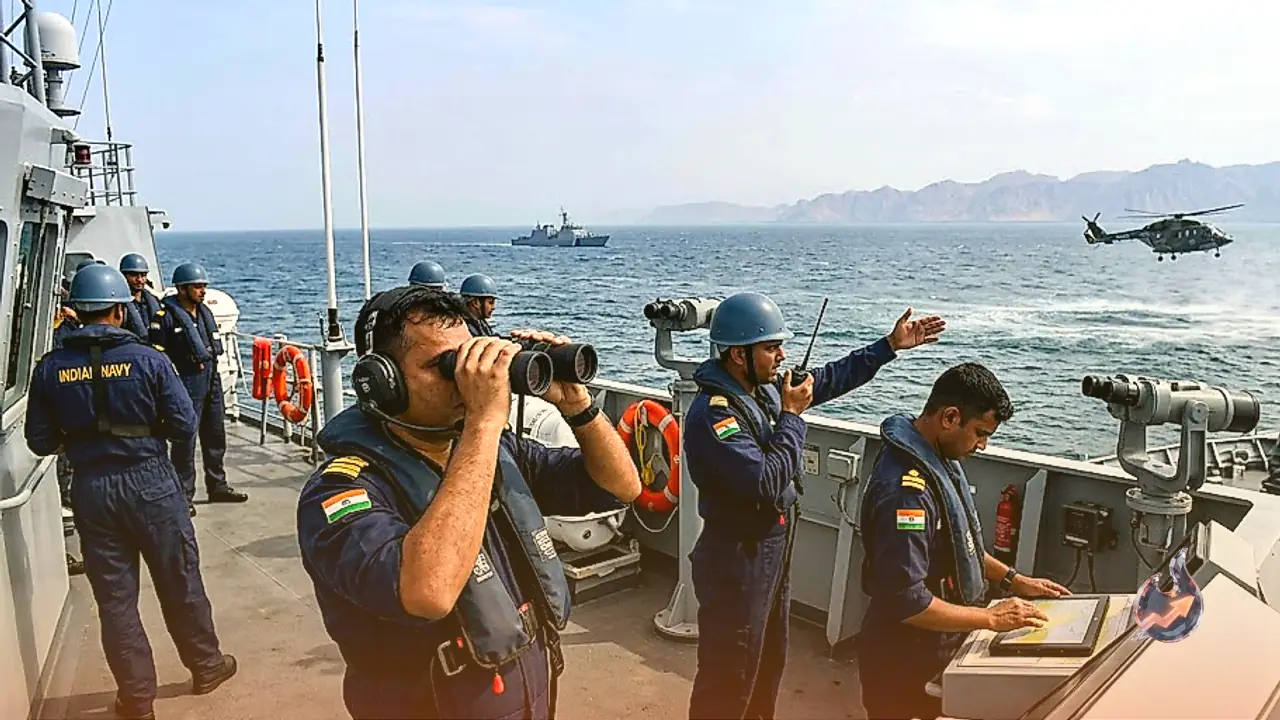
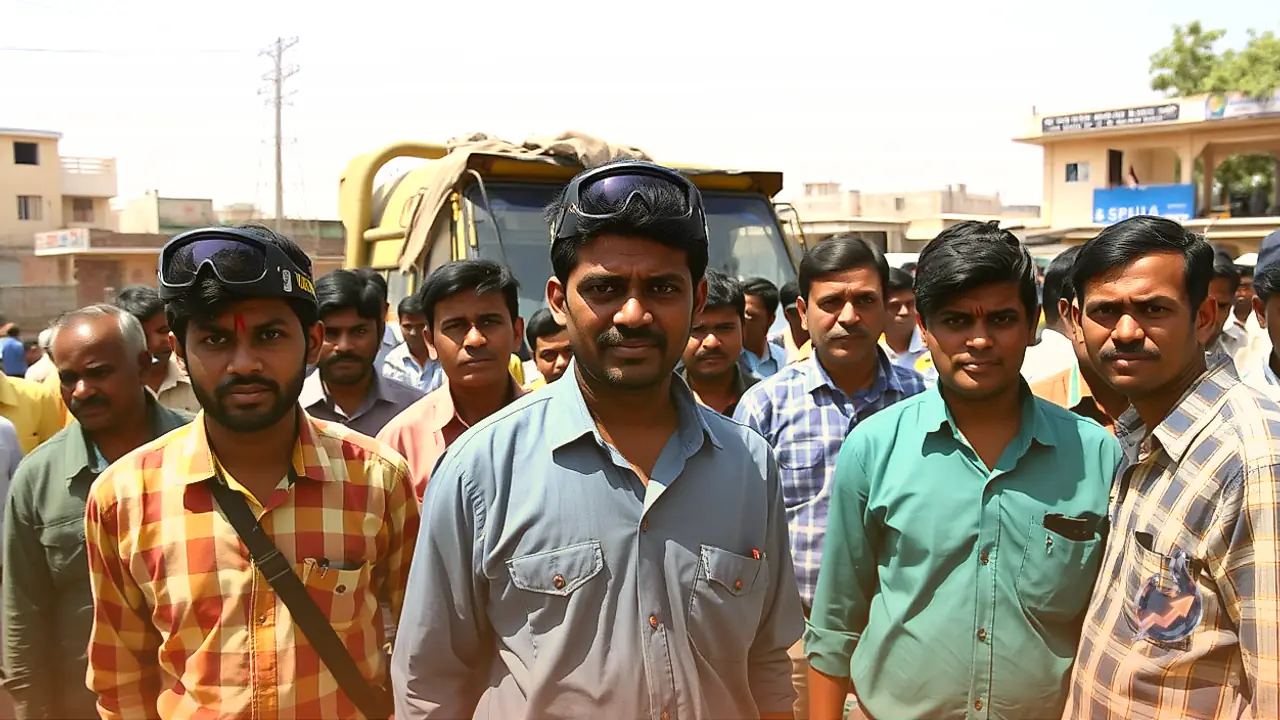
At the center of this geopolitical friction lies a narrow maritime chokepoint known as the Strait of Hormuz. Frequent reports of attacks on commercial vessels in the area have severely disrupted maritime traffic. These incidents have not only caused substantial economic losses but have also endangered the lives of numerous sailors and citizens, including several Indians. The safety and security of more than 8 million Indian nationals residing and working across Gulf nations have come under serious threat. With safe passage for commercial ships lacking, freight charges and marine insurance rates have skyrocketed, dealing a severe blow to global trade networks.
Standoff Between Tehran and Washington
Meanwhile, a battle of conditions has unfolded between Iran and the United States. Iran maintains that the vital maritime route will not be fully secured until Washington accommodates its terms and demands. The United States continues to maintain a rigid stance on the Iranian proposals, leaving very little room for a breakthrough between the two adversarial sides. Caught in the crossfire of this political maneuvering is global oil supply, as the blockade of the strategic waterway remains firmly in place, posing a continuous threat to international commerce.
Why the Conflict Worries India
The escalation in West Asia directly impacts India's domestic kitchen and macroeconomic stability. Ajit Doval reaching out to his Iranian counterpart demonstrates that the Indian government is treating the situation with utmost seriousness. This urgency is driven by three primary strategic and economic pillars. First, energy security remains paramount; any disruption to the Hormuz transit corridor could cause fuel prices and cooking gas rates to surge overnight, potentially triggering runaway inflation in India. Second, the safety of over 8 million Indian expatriates living in the region is a top priority, as their remittances contribute significantly to India's foreign exchange reserves. Third, soaring shipping and freight costs, driven by longer detours around Africa, threaten to severely undermine India's import and export sectors.
Balancing Diplomacy and Strategic Outreach
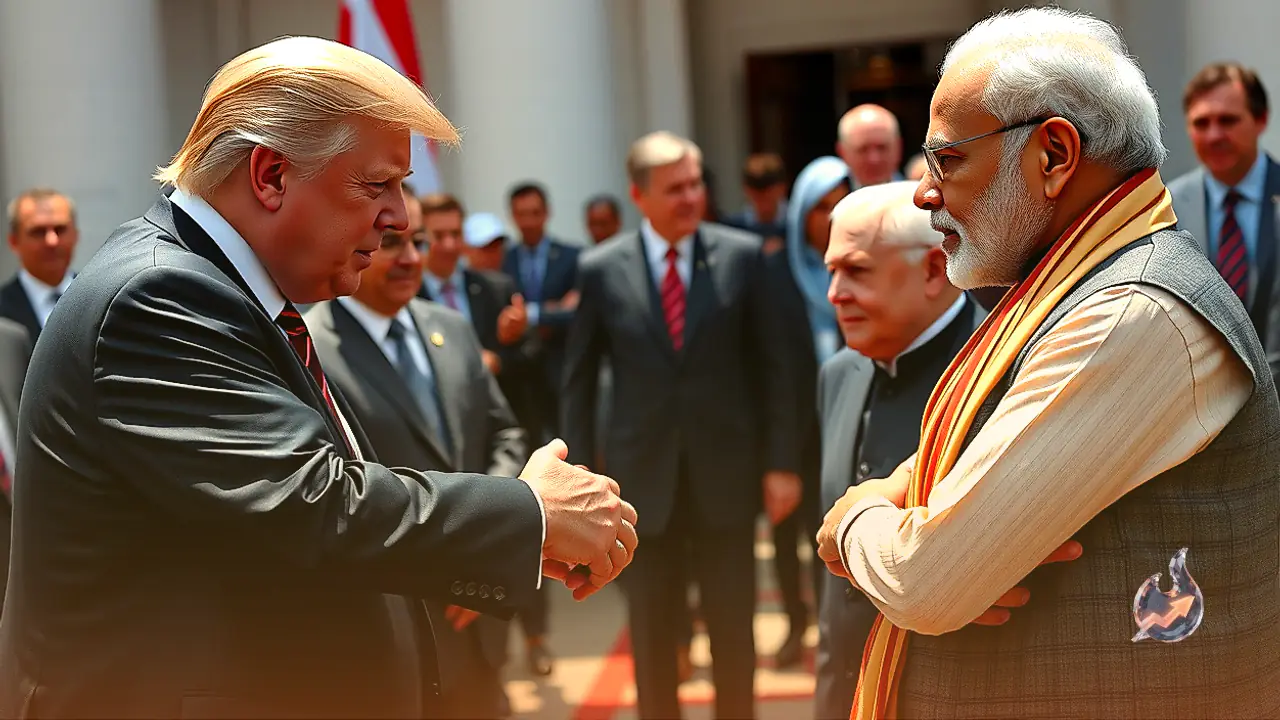
The telephonic communication initiated by Ajit Doval is not an isolated event but a calculated component of India's calibrated foreign policy. Prime Minister Narendra Modi recently met with Iranian President Masoud Pezeshkian on the sidelines of the BRICS summit, reiterating India's firm stance in favor of dialogue, diplomacy, and freedom of navigation. India's position remains unambiguous in opposing armed conflicts while protecting its vital economic interests. By directly engaging with Tehran, the message has been conveyed that New Delhi desires regional peace and is prepared to utilize all diplomatic avenues to avert a larger economic or strategic crisis.
Navigating Complex Geopolitical Realities
In the ongoing strategic standoff involving Iran, the United States, and Israel, India occupies a unique diplomatic space. New Delhi maintains strong and robust partnerships with Washington and Tel Aviv while simultaneously upholding traditional ties with Tehran. Consequently, Ajit Doval's back-channel diplomatic initiative serves as a masterstroke to protect Indian interests and help de-escalate brewing tensions across West Asia through quiet, effective dialogue.