




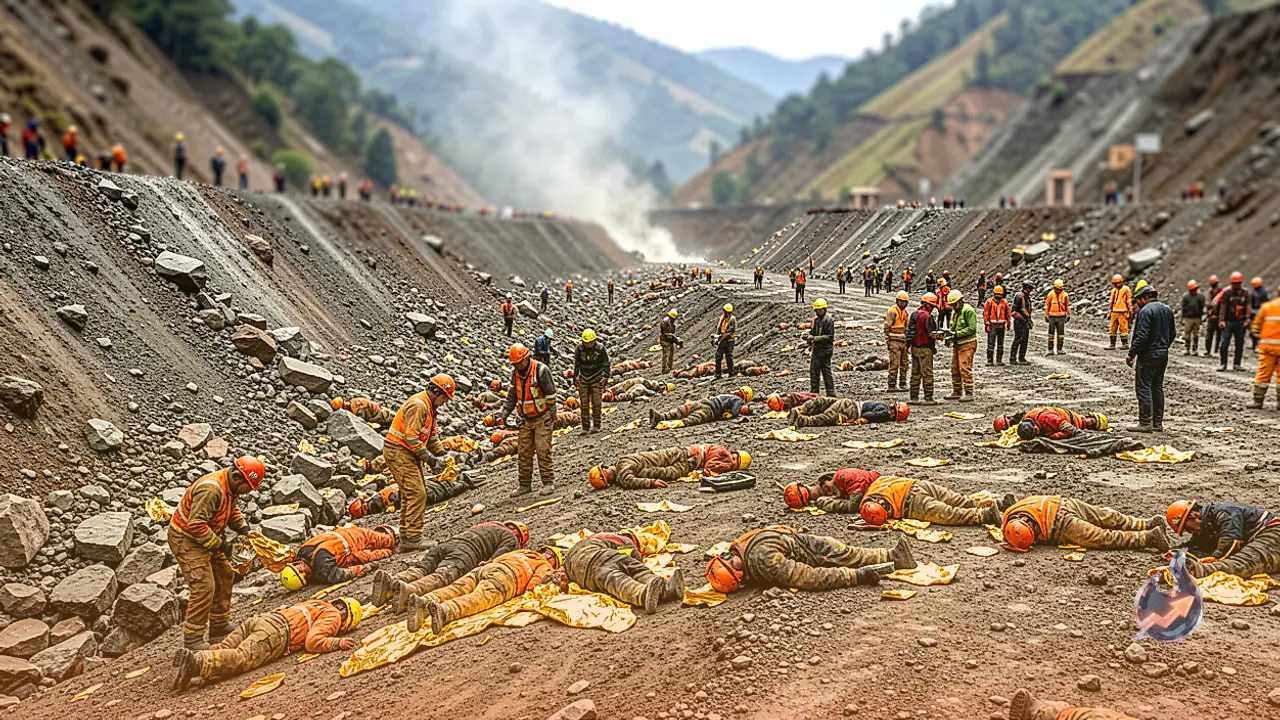

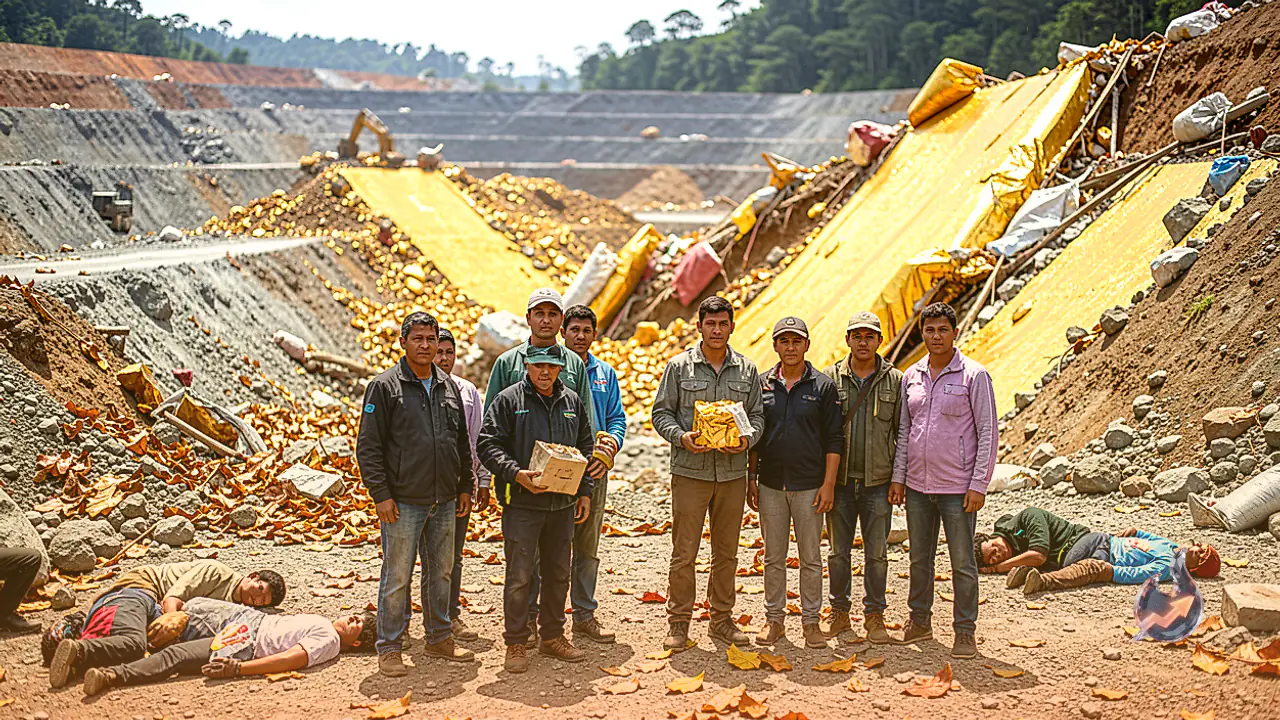














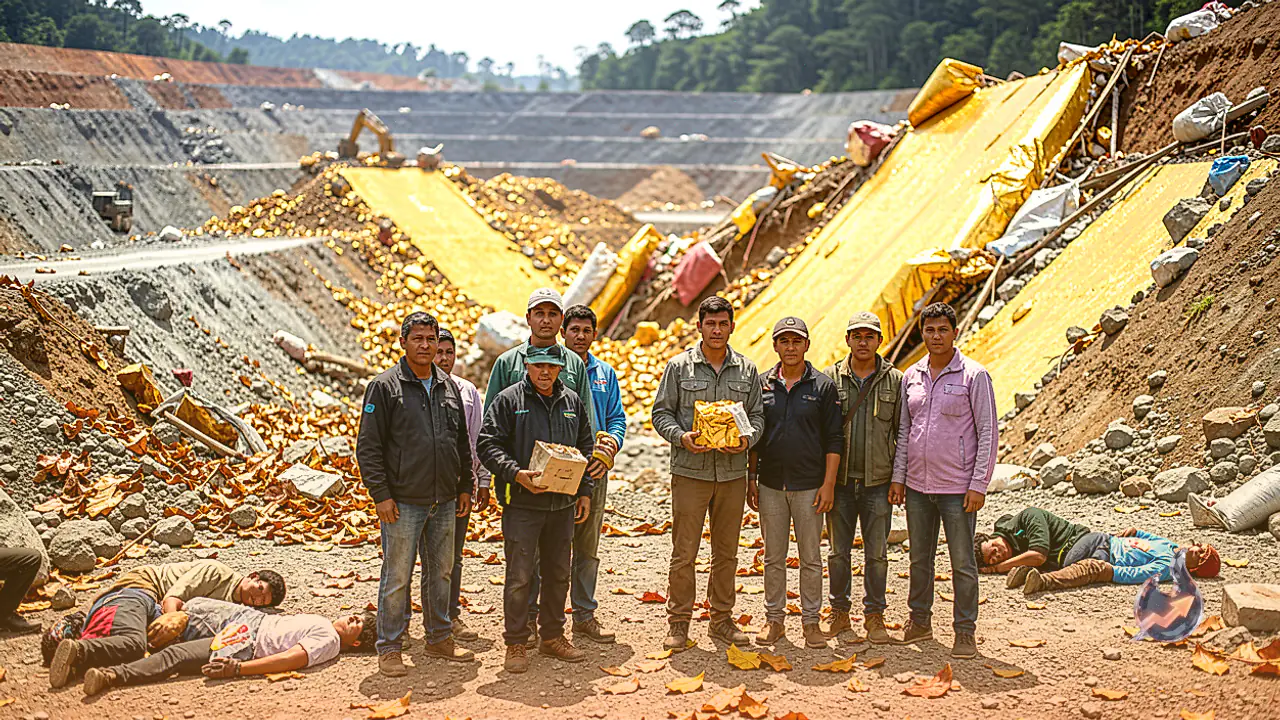

A severe mining disaster in Colombia's southwestern province of Narino has claimed the lives of at least 14 workers after an unpermitted open-pit gold mine caved in. The collapse, which occurred near the small settlement of Santa Barbara de Iscuande on Monday, also left 7 other miners injured. Narino's provincial administration confirmed the casualty figures in an official statement, noting that emergency search and recovery operations at the excavation site were officially concluded on Monday night.
Remote Geography and Access Obstacles
The site of the disaster in Santa Barbara de Iscuande lies deep within dense rainforest terrain that is completely cut off from the national highway network. The isolated community can only be reached by river boats or light aircraft, creating severe logistical hurdles for emergency responders and medical teams attempting to access the disaster zone. Reacting to the scale of the loss, the Governor of Narino, Luis Alfonso Escobar, lamented the tragedy, stating, "Entire families have been wiped out in this tragic accident. This is deeply saddening."
Second Deadly Collapse Within Three Months
Regional authorities emphasised that this emergency once again brings to light the fatal hazards linked with illicit and informal extractive operations. According to official figures, within a span of less than three months, two separate mine collapse incidents in Narino have resulted in a cumulative death toll of 27 people. Across Colombia, hundreds of small-scale mining operations function completely outside the legal framework without official government permits, lacking fundamental structural safety measures or engineering oversight.
Insurgent Dominance and Humanitarian Appeals
Beyond geographical isolation, the area surrounding Santa Barbara de Iscuande presents severe security liabilities due to the presence of armed factions. Two active rebel formations operate across the territory, including the Jacobo Arenas Front. This grouping is led by former members of the Revolutionary Armed Forces of Colombia (FARC) who outright refused to demobilise or endorse the landmark 2016 peace agreement signed between the Colombian government and the guerrilla movement. In several resource-rich pockets of Colombia, illegal mining pits remain directly under the command or extortion networks of such non-state armed groups.
Following the deadly collapse, Colombia's Ombudsman's Office issued an urgent appeal to the illegal armed actors holding sway in the surrounding jungle corridors, demanding unhindered passage for relief convoys. The agency insisted that relief crews must be allowed to reach the small town with medical aid, emphasizing that all institutional efforts must remain firmly directed toward saving lives and managing this critical emergency.