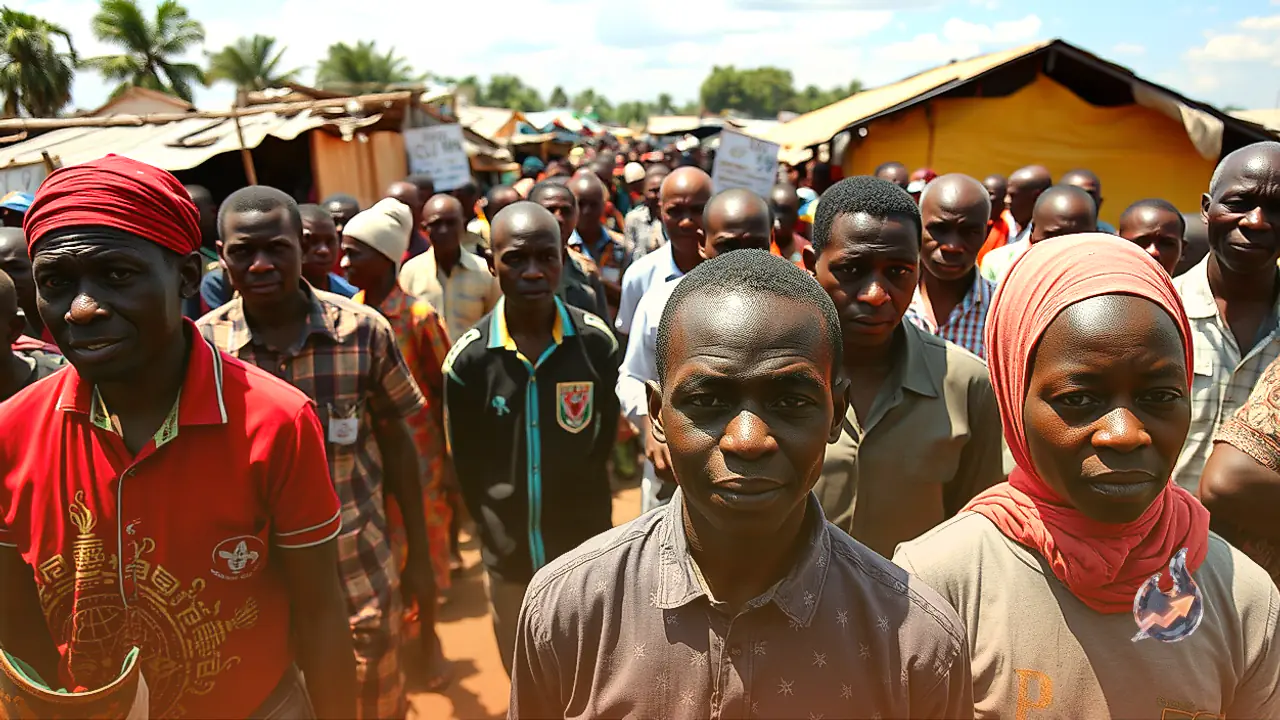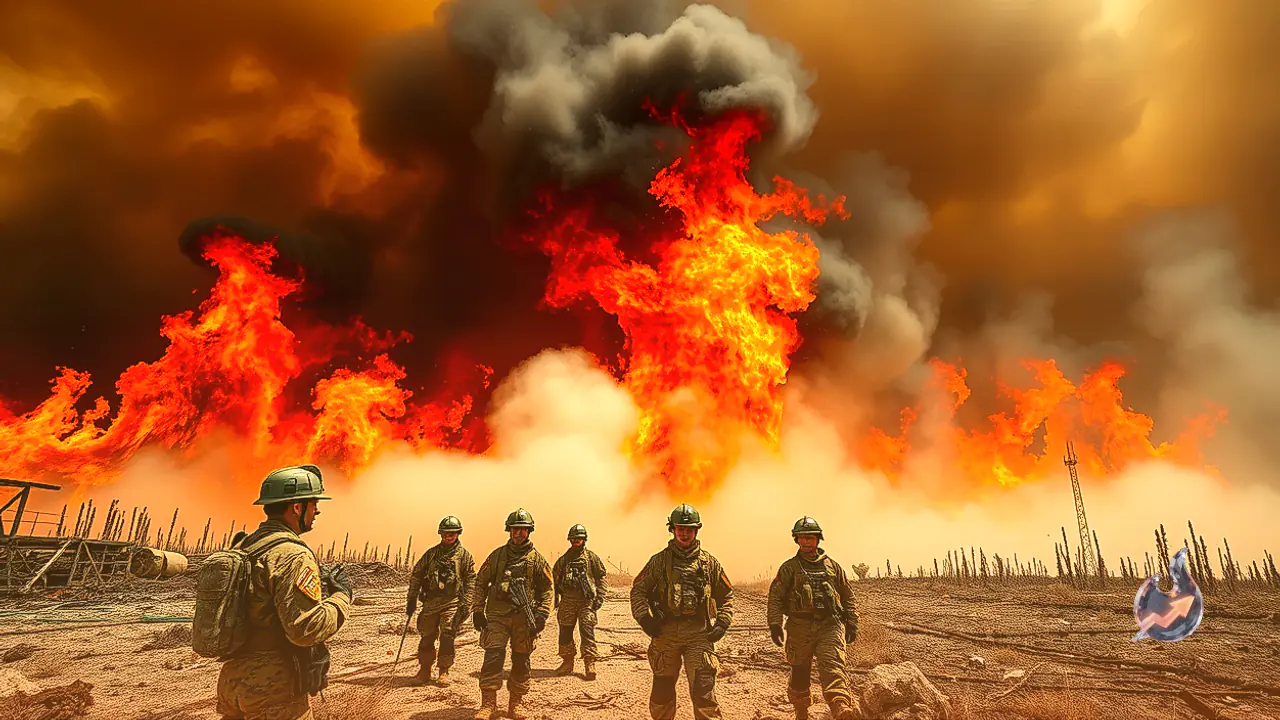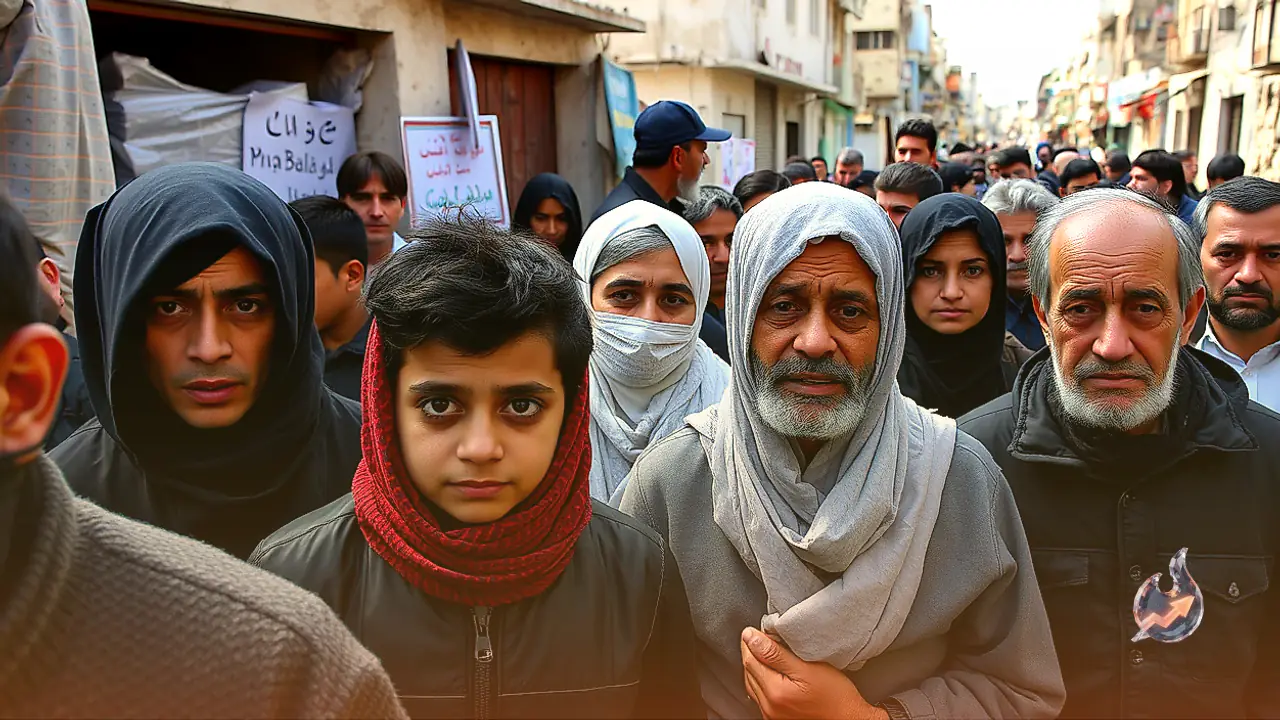

















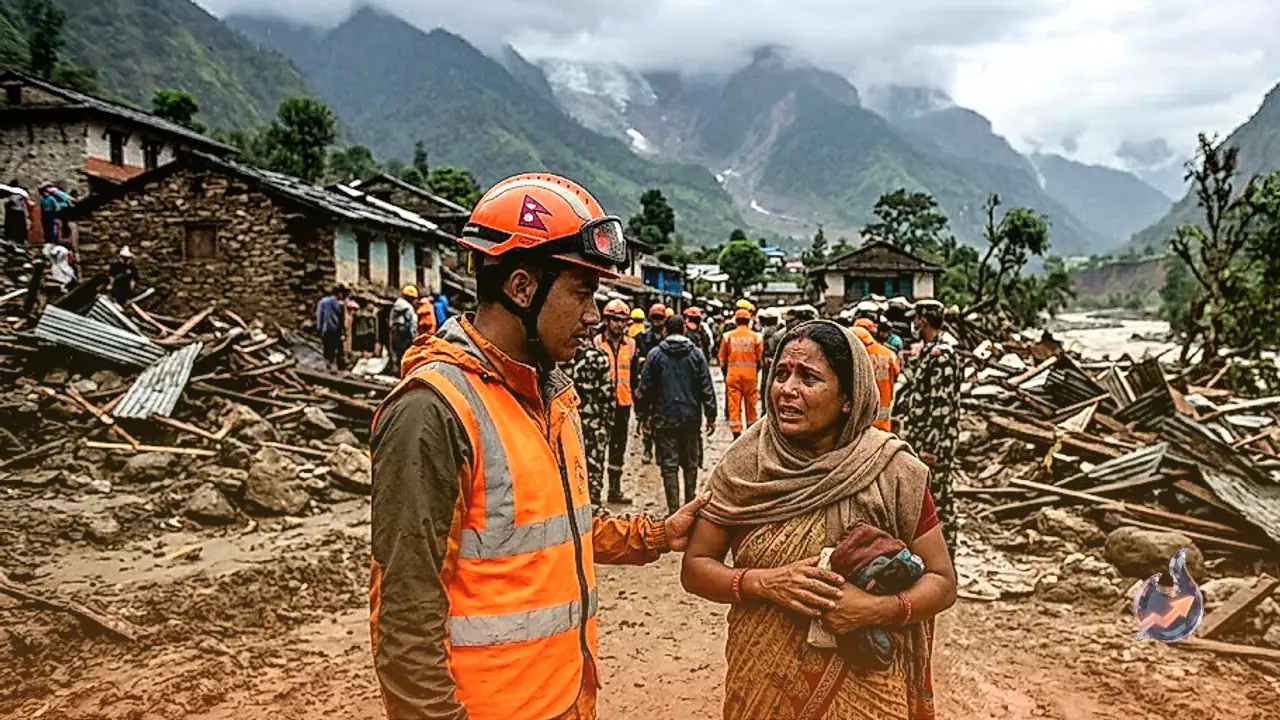

A severe natural catastrophe has struck northern Nepal after the Bhote Koshi river overflowed following a sudden glacier collapse, causing widespread devastation across eight districts. The Nepal government has urgently advised residents living along the riverbanks to evacuate to higher ground as water levels continue to rise sharply and the threat of additional glacial bursts looms over the region. Search and rescue operations are proceeding under difficult conditions as the death toll rises and approximately 1,500 people remain missing. Among those unaccounted for are 290 Indian nationals who were present in the affected border zones. The immense magnitude of the disaster has sparked international concern over transboundary river management, high-altitude infrastructure projects, and the critical importance of timely disaster warnings.
Artificial Lake Hazard on Lhende River and Delayed Warnings
According to an urgent bulletin issued by Nepal's National Disaster Management Authority, the natural flow of the Lhende river has been severely blocked approximately 18 kilometers upstream from the Rasuwagadhi border. This blockage has impounded a massive volume of water, creating an unstable artificial lake that poses an immediate risk of breaching. Disaster management experts warn that a sudden burst could release a second wave of catastrophic flooding into downstream communities. Amid this precarious situation, severe criticism has emerged regarding China's delay in sharing real-time hydrological data. Chinese authorities transmitted information about the glacier burst to Nepal only after a 45-minute delay, leaving Nepalese emergency responders with insufficient time to execute evacuation protocols and protect vulnerable populations.
Scientific Investigation Disproves Seismic Cause of Glacier Burst
Initial official statements from China attributed the glacier breach to a localized 4.4 magnitude earthquake. However, a detailed scientific evaluation released by the United States Geological Survey has directly contradicted this explanation. USGS findings established that the flood was not caused by a 4.4 magnitude earthquake; rather, the seismic reading itself was produced by the massive kinetic impact of the collapsing glacier. Data indicates that a massive block of ice detached from an altitude of 5,200 meters and plummeted 1,200 meters down the mountain slope. The immense impact energy generated by this high-altitude fall triggered shockwaves that were recorded by seismic sensors as a 4.4 magnitude event, confirming that environmental collapse rather than tectonic activity was the root cause.
Impact of Unregulated Mining and Xiaokang Villages in Tibet
Environmental experts point to extensive human intervention in Tibet's ecologically sensitive zone as a major contributor to the catastrophe. China has constructed numerous modern border settlements under its Xiaokang model initiative, which aims to strengthen strategic posture and territorial presence in remote high-altitude frontiers. This intensive civil construction, combined with haphazard mining along the hillsides of Kerung city, has significantly disrupted local geology. Furthermore, alterations to the natural course of the Trishuli river and the construction of port facilities at Kerung have altered hydraulic dynamics, dramatically accelerating the velocity of water flowing down into Nepal during flood events.
Communication Blackout and India's Rapid Disaster Relief Operations
The destruction of physical infrastructure in the mountainous border region has caused a complete shutdown of telecommunications networks, leaving families of the missing without news. Distressed relatives have been forced to rely on broadcast media and government helplines for updates regarding their loved ones. In response to the humanitarian crisis, India has launched swift relief and rescue operations under its regional assistance commitments. The Indian Air Force has deployed aircraft and helicopters to evacuate stranded individuals and deliver emergency supplies, while specialized ground rescue teams operate in affected zones. Indian diplomatic missions are maintaining round-the-clock coordination, drawing on disaster management protocols developed during previous international crises such as the 2002 Gujarat earthquake.
Reservation System Reform Talks Following Jantar Mantar Demonstrations
In domestic developments, discussions regarding reforms to India's affirmative action system entered a new phase following a public demonstration held at Jantar Mantar in Delhi on August 21. A delegation representing the organizers, including Harsh Dubey, Ranbahadur Singh Chauhan, and Mrityunjay Pathak, held a lengthy meeting with Union Minister J. P. Nadda. Both parties described the meeting as constructive and agreed to hold a follow-up session on September 7 to evaluate specific policy recommendations. The delegation clarified that their movement does not advocate for the abolition of reservations, but rather seeks structural modifications to ensure that benefits effectively reach economically disadvantaged individuals across all social categories.
Addressing Misconceptions Surrounding Affirmative Action Policy
The dialog helped resolve initial public misconceptions regarding the intent of the Jantar Mantar protest. Early reports had suggested that the demonstration was directed at dismantling the reservation framework entirely or reflected exclusive upper-caste grievances. Delegation members emphasized that their primary objective is to make the allocation process more equitable and transparent, preventing systemic leakage while ensuring that no eligible group suffers discrimination. The positive outcome of the ministerial meeting underscores the role of structured dialogue in resolving complex social and administrative policy questions.
Prime Minister Narendra Modi Outlines 2036 Olympic Vision
Addressing the sporting community during the Khelo India Dialogue, Prime Minister Narendra Modi called for a structured, long-term preparation strategy targeting the 2036 Olympic Games. He emphasized that talent identification programs must immediately focus on young athletes aged 5 to 15 to build a competitive national pool. Analyzing historical performance trends, the Prime Minister highlighted that India's modest Olympic medal tallies stem largely from limited participation across diverse sporting disciplines. Citing the 2012 London Olympics as an example, he noted that Indian athletes competed in only 13 sports while having no representation in 20 other Olympic disciplines, restricting overall medal potential.
Structural Challenges in State Sports Federations and Infrastructure
To overcome these historical limitations, the government stressed the necessity of building a comprehensive sports ecosystem that extends beyond traditional strengths in events like wrestling and boxing. However, sports policy analysts note that significant institutional obstacles remain within state-level sports federations. Many regional administrative bodies suffer from inefficient management, where officials prioritize administrative influence and political elections over coaching quality, sports science, and grassroots infrastructure development. Reforming these administrative structures is considered essential if India is to maximize its athletic potential and achieve higher podium finishes on the global stage.